AI Storyboards for Independent Filmmakers on a Budget Works Best When Visual Planning Serves the Scene
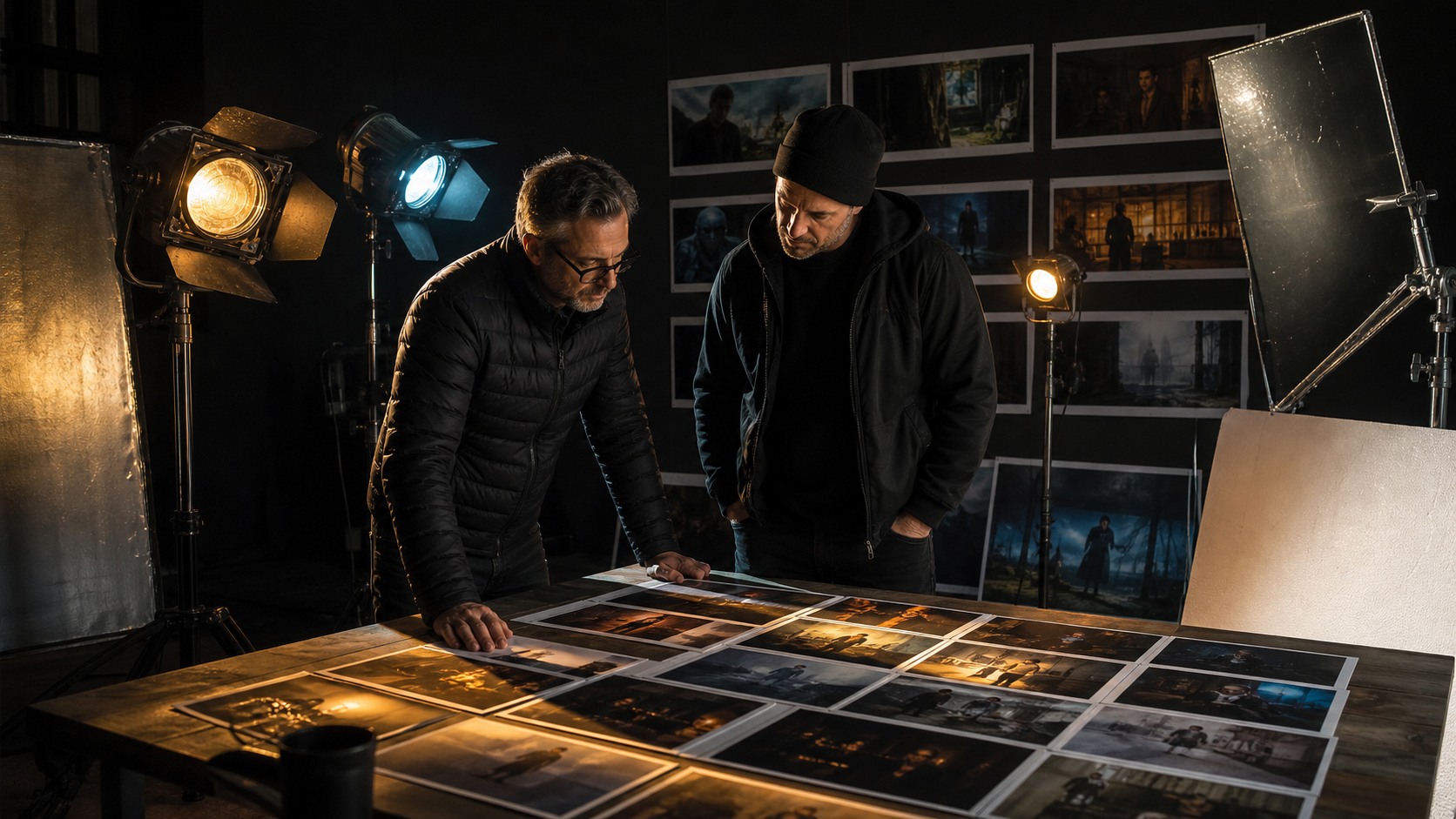
AI Storyboards for Independent Filmmakers on a Budget matters because filmmakers often need to turn written ideas into visual decisions before a crew, client, investor, or department can understand the scene. Budget storyboards matter because independent filmmakers need visual clarity without spending money on shots, locations, or builds the film cannot support. AI can accelerate that process by creating reference frames, shot options, boards, and visual tests quickly. The useful version is not automatic art for its own sake. It is a planning workflow that helps independent filmmakers, micro-budget directors, producers, and small creative crews discuss story beats, camera intent, production limits, and creative priorities before expensive decisions are locked.
Start With the Scene Problem
The first step is naming the scene problem. Budget storyboards matter because independent filmmakers need visual clarity without spending money on shots, locations, or builds the film cannot support. A visual plan should answer what the audience needs to understand, where attention should go, what emotional shift happens, and which practical limits shape the shot. If the problem is unclear, AI can generate attractive boards that still fail the production. The filmmaker should begin with the beat, not the image.
Turn Words Into Decisions
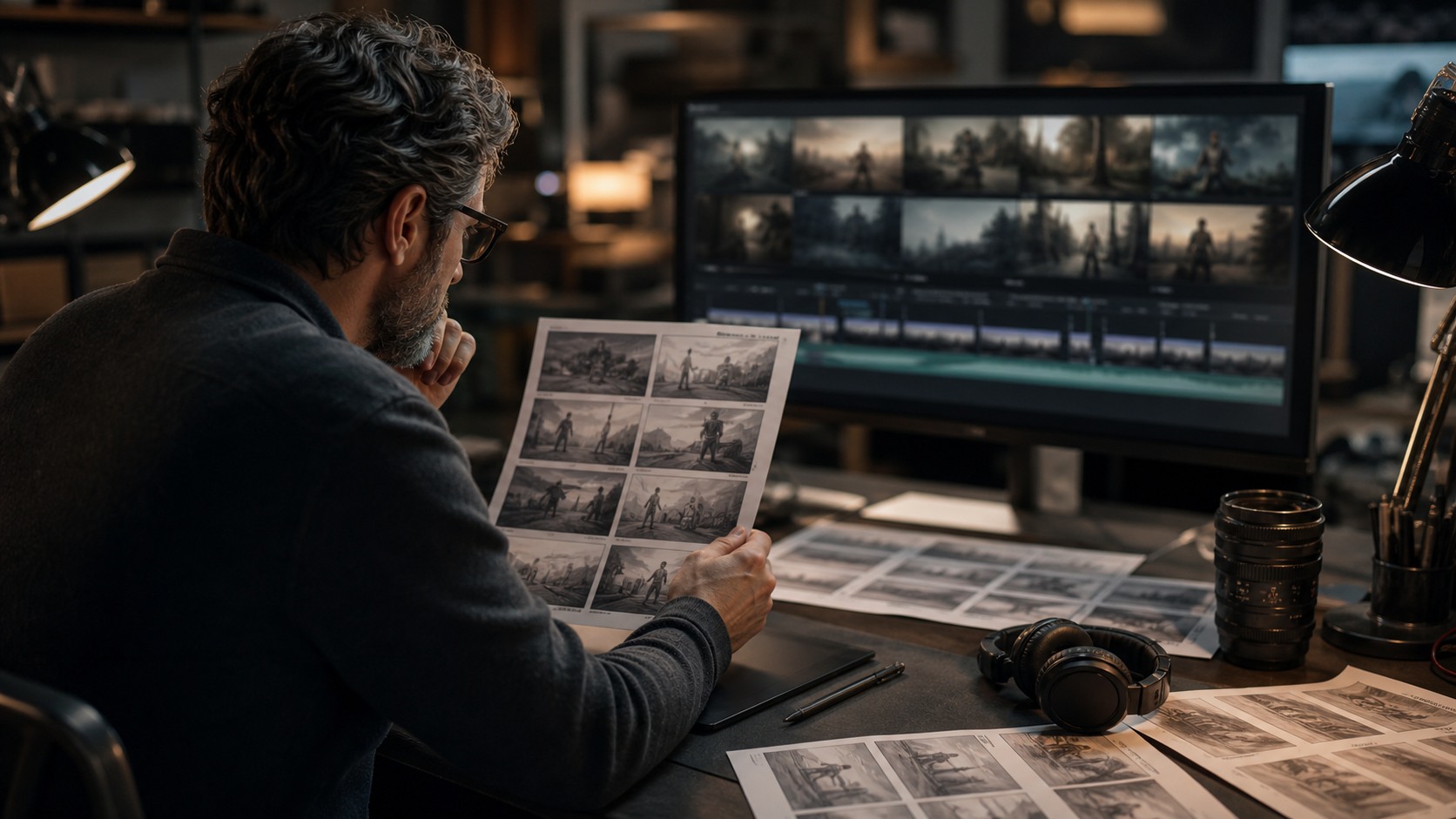
A script line can imply many visual choices. AI Storyboards for Independent Filmmakers on a Budget helps convert those words into frames, camera angles, blocking ideas, and department questions. This is valuable because people often imagine the same scene differently. A board or previs frame gives the team something concrete to accept, reject, revise, or simplify.
The visual plan should not pretend every question has been solved. It should reveal the questions that matter: where the actor moves, what the camera needs to see, what must be built, what can be implied, and what might cost too much.
Creative Control
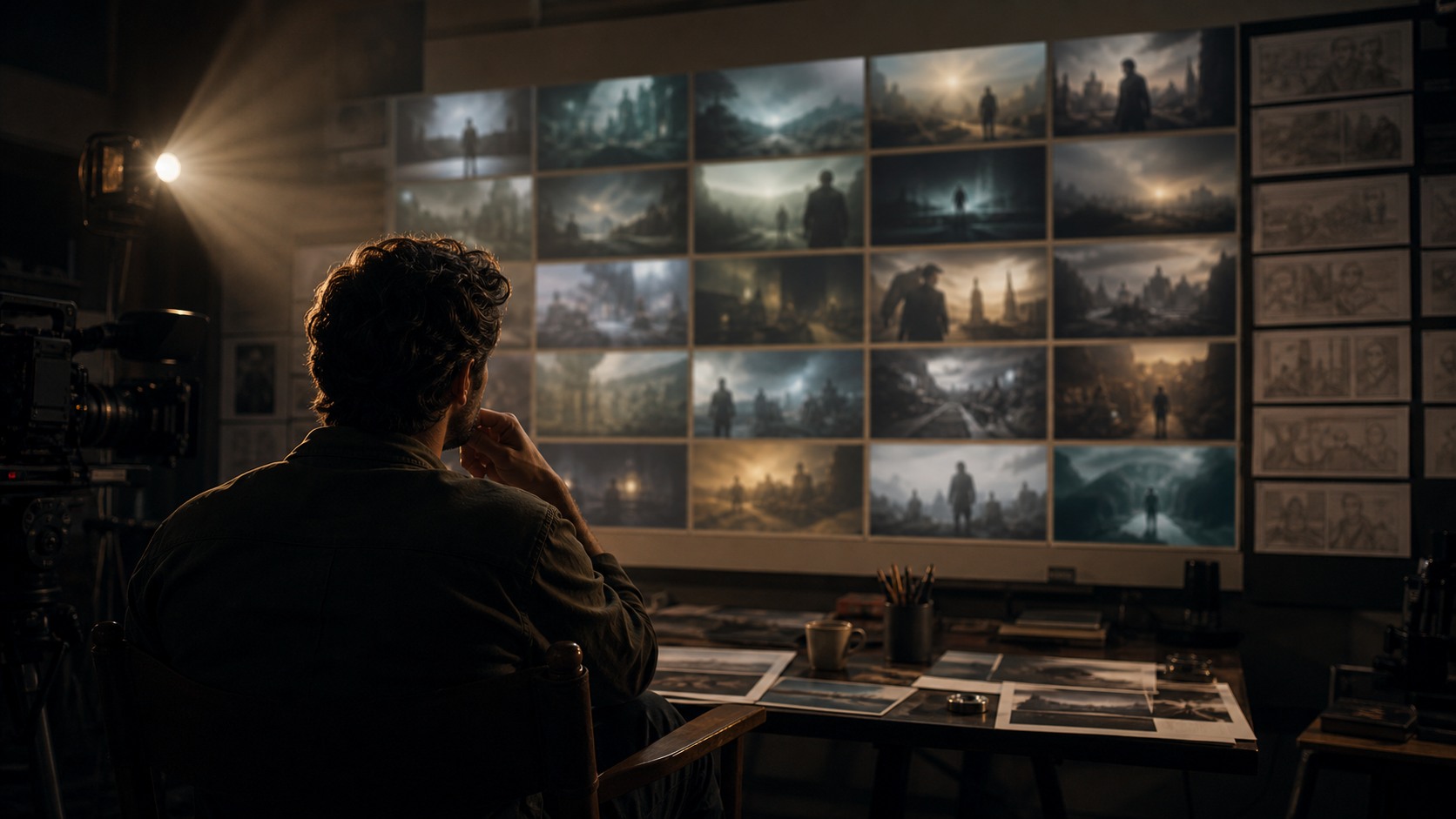
AI can create fast options, but creative control stays with the filmmaker. In ai storyboards for independent filmmakers on a budget, the director or creator decides which frame expresses the scene's purpose and which frame is only impressive surface. The tool can suggest composition, mood, angle, or sequence flow. It cannot know the film's taste unless humans keep choosing.
Control also means knowing when to stop. Endless versions can delay decisions. A good workflow generates a limited range, compares the options, and moves toward approval.
Accuracy Versus Usefulness
Visual planning does not always need perfect art. Budget storyboards matter because independent filmmakers need visual clarity without spending money on shots, locations, or builds the film cannot support. Sometimes a rough frame that shows eyeline, scale, or camera position is more useful than a polished image with the wrong blocking. AI boards should be judged by whether they help the production make the next decision.
Accuracy matters most when a frame guides cost, set construction, VFX, stunts, or client expectations. If a generated board shows an impossible location, unclear geography, or misleading scale, it can create trouble later. The team should label what is conceptual and what is approved.
Collaboration Across Departments
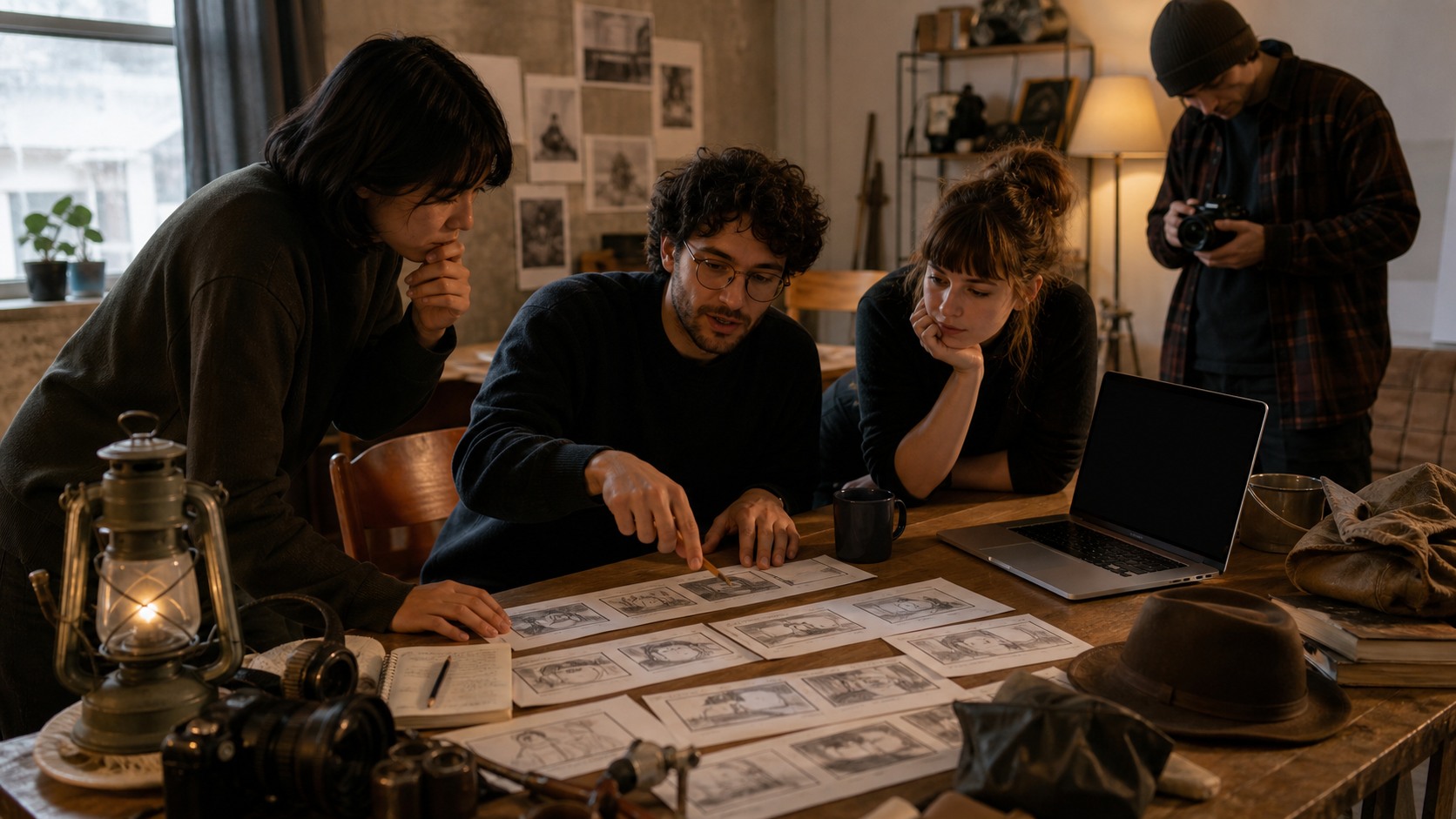
AI Storyboards for Independent Filmmakers on a Budget can improve collaboration because it gives departments a shared object. Cinematography can discuss lens and light. Production design can discuss what must be built. Assistant directors can discuss time. Producers can see cost risks. Editors can see coverage logic. VFX can see what needs planning before the shoot.
The best visual plan invites notes instead of closing the conversation too early. Each department should be able to mark what works, what is unclear, and what needs a practical answer.
Budget and Schedule Reality
AI-generated visual planning can save money only when it reveals production reality earlier. Budget storyboards matter because independent filmmakers need visual clarity without spending money on shots, locations, or builds the film cannot support. A beautiful visual sequence that requires more locations, extras, gear, or post work than the project can afford is not a saving. It is a hidden cost. The plan should separate essential images from optional polish.
This is especially important for smaller productions. The right board can show how to combine setups, simplify coverage, use a practical location better, or avoid a shot that would consume the day without improving the scene.
Style Consistency
Storyboards and pre-viz materials need style consistency. AI Storyboards for Independent Filmmakers on a Budget should not make one scene feel like a gritty drama, another like a glossy commercial, and another like a fantasy epic unless the project has a reason for that shift. AI makes style drift easy because it can produce many attractive looks quickly.
A team should define visual boundaries. Those boundaries might include aspect ratio, lens feeling, color restraint, character scale, camera distance, or how much polish the boards need. Consistency helps collaborators trust the plan.
Human Review
Human review is the stage that turns generated visuals into production value. Independent filmmakers, micro-budget directors, producers, and small creative crews should ask what each frame communicates, whether the shot is filmable, what departments must prepare, and whether the scene still has emotional clarity. The review should also identify repeated frames, generic poses, impossible camera positions, or visuals that overpromise.
A strong review does not reject AI because it is AI. It asks whether the material helps the film. If it does, the team keeps it, labels it, and refines it. If it does not, the team discards it without sentiment.
Client and Investor Communication
Visual planning can also help with clients, investors, collaborators, and nontechnical stakeholders. AI Storyboards for Independent Filmmakers on a Budget gives people a way to see the intent before the final shoot or animation work. That can reduce vague feedback and make approvals more precise.
The risk is overpromising. AI images can look more finished than the project will be able to deliver. Clear labels protect trust: concept direction, rough board, approved shot, VFX target, pitch reference, or production plan. The label tells the viewer how to read the image.
Version Control for Visual Ideas
AI Storyboards for Independent Filmmakers on a Budget also needs practical version control. A team may generate a useful frame in the morning, revise the sequence after lunch, and forget which image was tied to the approved shot list. That creates confusion when a producer, client, or department head refers to an older board. Naming conventions, dated folders, and approval notes are not glamorous, but they keep fast visual work from becoming a pile of disconnected references.
A simple review log can show which frames are exploratory, which are rejected, and which are active. That discipline is especially helpful when multiple collaborators are testing prompts, references, or camera options. The goal is not paperwork for its own sake. The goal is making sure the right image is guiding the right production decision.
Sequence Flow Matters More Than Single Frames
A single generated frame can be seductive, but ai storyboards for independent filmmakers on a budget becomes more valuable when the sequence reads clearly. Film scenes unfold through movement, reaction, cut points, and changing emphasis. A board that looks strong as a still may fail if it does not connect to the frames before and after it. The team should review rhythm, geography, and emotional progression, not just image quality.
This is where directors and editors can add a lot of value early. They can ask whether the coverage supports the intended edit, whether the important reaction is missing, and whether the camera language becomes repetitive. The best AI-assisted visual plan feels like a scene being prepared, not a gallery of unrelated images.
Department Handoff
Once ai storyboards for independent filmmakers on a budget is approved, the next question is who uses it. Production design may need construction notes. Cinematography may need lens and lighting assumptions. Assistant directors may need setup order. VFX may need plates, tracking plans, or clean reference. Sound and wardrobe may also find clues in the visual plan. A board becomes stronger when each department can translate it into action.
The handoff should make limits visible. If the board shows more background performers than the budget allows, say so. If the location will stand in for a larger world, note what must stay out of frame. If the image is only a mood target, do not let it become a promise. Clear handoff language protects the scene after the excitement of generation has passed.
Ethics and Credit
AI Storyboards for Independent Filmmakers on a Budget can raise questions about authorship, labor, references, and credit. A production should know whether generated images are being used internally, shown to clients, or treated as public-facing pitch material. The more visible the material becomes, the more important it is to understand source rights, style references, consent, and the role of human artists who refine or replace the AI output.
This does not mean every AI storyboard workflow is unsafe. It means responsible teams make their process legible. They credit human creative work, avoid implying that generated concepts are finished production art, and keep sensitive material inside approved channels. Trust matters because visual planning often happens before contracts, budgets, and creative roles are fully settled.
When to Bring in Specialists
AI can help independent filmmakers, micro-budget directors, producers, and small creative crews move faster, but specialists still matter when the sequence affects complex staging, stunts, animation, VFX, action continuity, or expensive set pieces. A storyboard artist can simplify a confusing beat. A previs supervisor can turn a camera idea into a timed layout. A cinematographer can identify lens logic that the generated image does not understand. A producer can spot hidden cost.
The strongest workflow is often hybrid. Use AI to explore, compare, and communicate early. Bring in specialists when the scene needs precision, taste, or production accountability. That keeps the tool in its most useful role and gives the film the human craft it still needs.
Protecting Performance Intent
AI Storyboards for Independent Filmmakers on a Budget should not flatten performance into pose selection. Generated boards often emphasize framing, wardrobe, lighting, or surface drama, while the heart of a scene may depend on hesitation, silence, avoidance, or a small reaction. The director should use the visual plan to protect those human beats. If a board makes the scene look dynamic but hides the performance shift, the board needs revision.
This is especially important when the plan will guide clients or crew members who have not read the whole script. The frame should help them understand what the character is feeling or choosing, not merely what the camera might see. Good visual planning keeps performance, story, and logistics in the same conversation.
A Useful Stop Point
Every ai storyboards for independent filmmakers on a budget workflow needs a useful stop point. That point arrives when the team has enough visual agreement to make the next production decision. It does not require perfect images, full animation, or a board for every possible angle. It requires clarity about the scene's visual path and confidence that the remaining work can be handed to the right people.
Stopping well is a creative skill. It prevents teams from mistaking more versions for more certainty. Once the essential questions are answered, the team should move from generation into planning, scheduling, budgeting, rehearsal, or specialist refinement.
The Practical Takeaway
AI Storyboards for Independent Filmmakers on a Budget is useful when it speeds the move from written intention to shared visual decision. It can help independent filmmakers, micro-budget directors, producers, and small creative crews compare angles, plan scenes, control scope, and communicate with departments before money is spent.
Its risk is confusing fast imagery with final filmmaking. A useful board or previs frame still needs story purpose, production review, human taste, and clear approval. Use AI to make the scene easier to discuss, then let filmmakers decide what belongs in the actual plan.