AI Can Generate Movie Material, But a Movie Is More Than Material
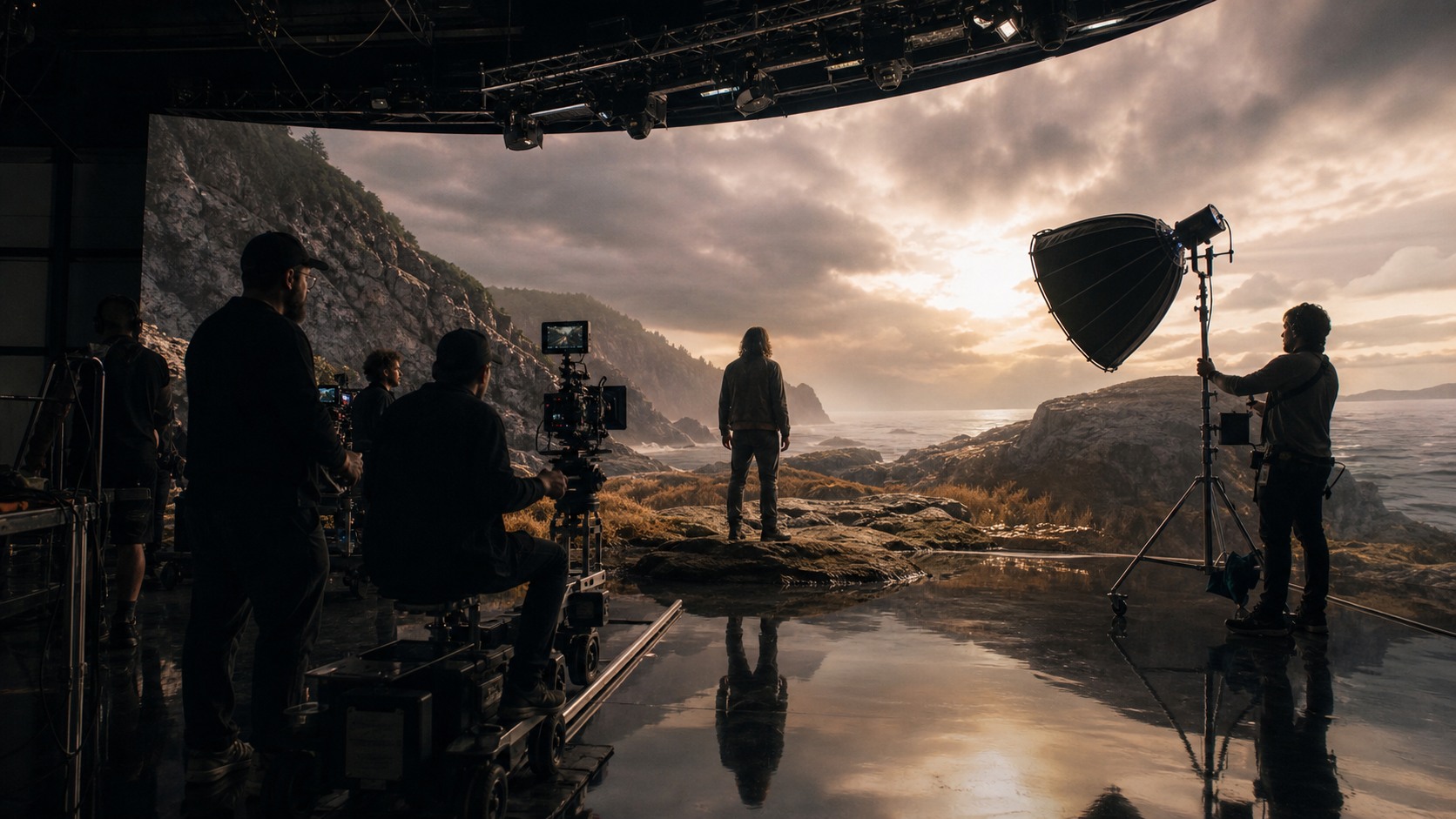
AI can now generate images, motion, voices, music ideas, environments, and even short video sequences that look surprisingly cinematic. That makes the question feel unavoidable: can AI really make movies? The honest answer is that generative film models can make pieces of movies, and sometimes very impressive pieces, but a complete movie still requires intention, continuity, performance judgment, editing, rights review, sound, pacing, and a reason for the audience to care. A generative model can produce shots. Filmmakers still have to turn those shots into cinema.
What Generative Film Models Actually Create
Generative film models create new media by learning patterns from examples and predicting what should come next. A text-to-video model may turn a written prompt into a moving image. An image-to-video model may animate a still frame. Other systems can generate sound effects, music sketches, dialogue variations, or visual references. These outputs can feel like film because they borrow the surface language of film: light, framing, movement, atmosphere, and performance cues.
The model is not making a movie in the way a director, editor, actor, or cinematographer makes a movie. It is producing media that resembles a requested idea. That distinction matters. A generated shot may look dramatic, but it may not connect to a character arc, maintain continuity, or serve a sequence. It is raw creative material, not a completed work.
For creators, the useful mindset is to treat generative output as a draft, test, or component. It can help imagine a scene, build a pitch, prototype a visual idea, or explore a world. It becomes filmmaking only when people decide how it belongs in a story.
Why a Full Movie Is Harder Than a Single Shot
A single generated shot can hide many problems. It does not have to maintain the same character over eighty minutes. It does not need to preserve geography between cuts. It does not need to make an actor's choice build across scenes. A feature film, short film, or series episode has to connect moments into a coherent experience.
Continuity is one of the biggest challenges. Characters, wardrobe, props, lighting, locations, and camera language can drift between generations. The more shots a story needs, the more those small differences become visible. Human teams spend enormous effort keeping film worlds consistent because audiences notice when the rules change without purpose.
Narrative structure is harder still. A model can generate an image of grief, but it does not know what the grief costs the character or how that moment should echo later. Filmmakers build meaning through setup, payoff, contrast, silence, and change. Generative tools can support that process, but they do not replace it.
Where AI Already Helps Filmmakers
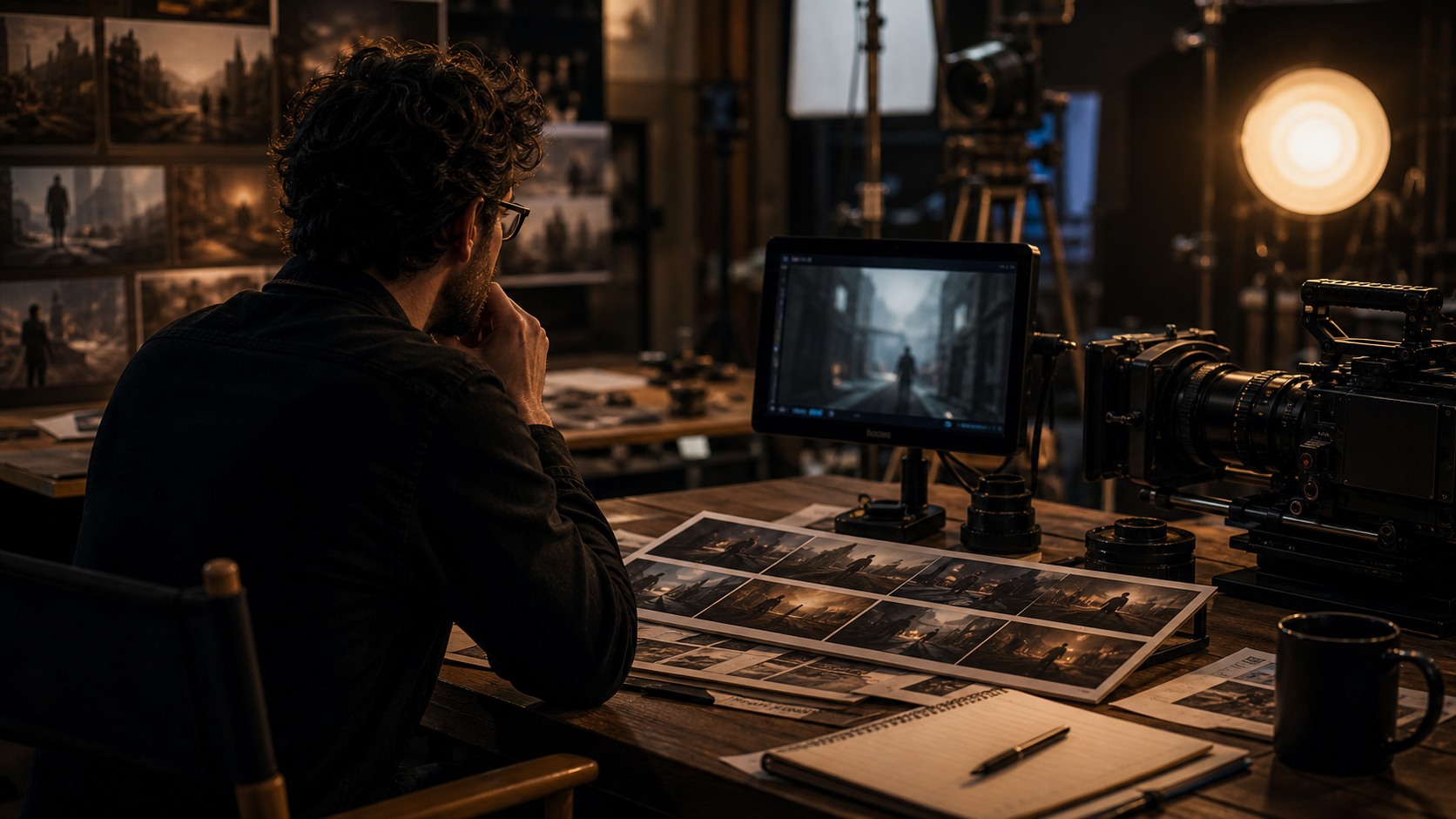
AI is already useful in early development and pre-production. A filmmaker can generate mood frames, environment ideas, costume directions, creature tests, or shot concepts before committing to expensive work. Producers can use these references to understand tone and scope. Directors can compare options and discover what a scene should avoid.
AI can also support post-production. It can help with transcription, cleanup, rotoscoping, shot matching, caption drafts, and temporary sound ideas. These tasks may not sound as glamorous as generating a full scene, but they can make real productions faster and more organized. In practice, much of AI's value comes from reducing friction around the film rather than replacing the film.
The strongest uses are supervised. A human chooses the goal, reviews the output, corrects errors, and decides whether the material belongs. The tool accelerates exploration. It does not carry creative responsibility by itself.
The Human Work AI Still Needs
A movie needs point of view. Someone has to decide what the film is saying, whose experience matters, what the audience should feel, and which images are worth keeping. That work is not only technical. It is emotional, ethical, and artistic.
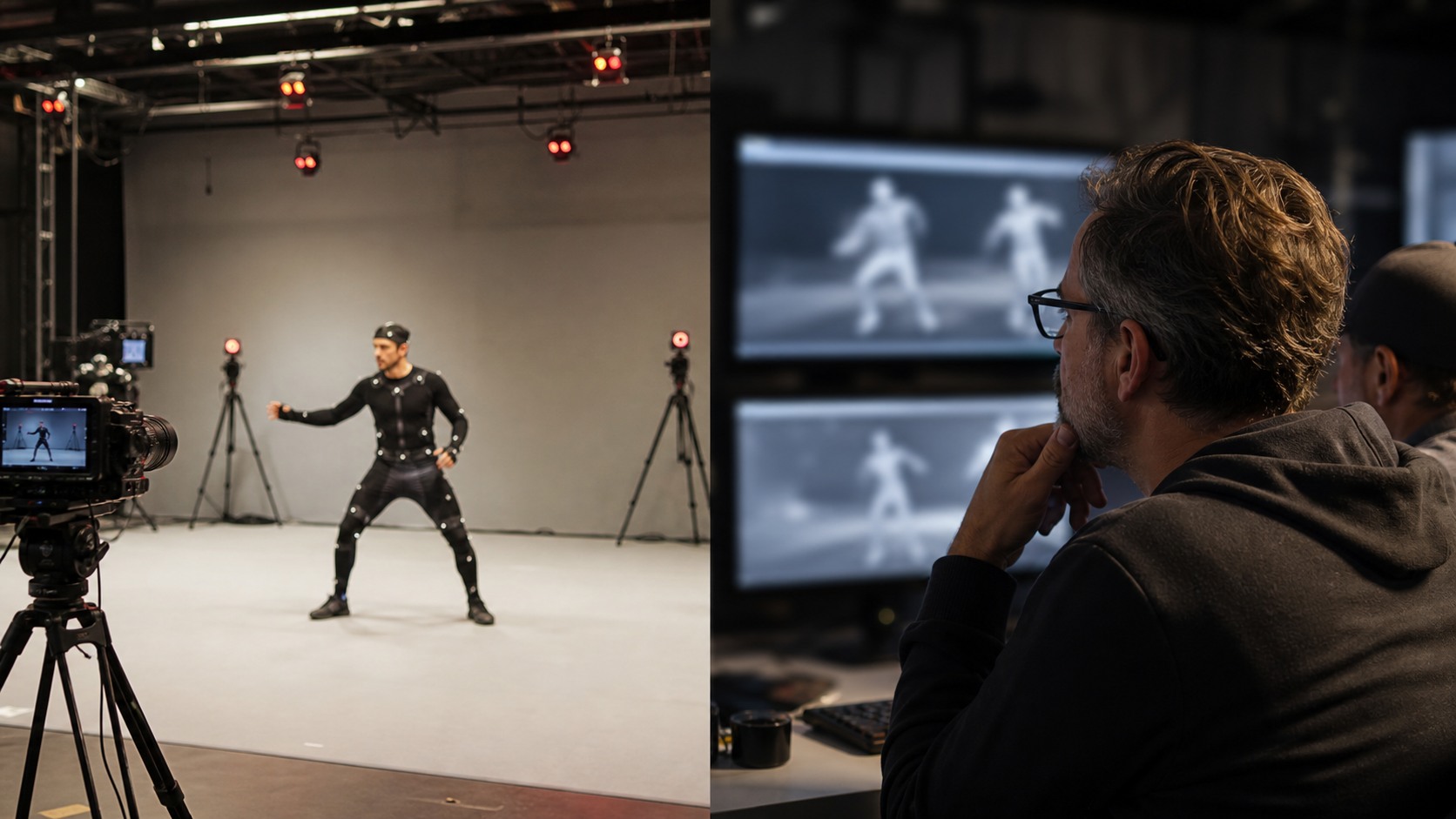
Actors and performances also matter. Even synthetic performance requires decisions about behavior, timing, and truthfulness. A generated face can look expressive without being dramatically specific. A real performance is shaped through context, listening, rehearsal, direction, and the tension of a scene.
Editors remain essential because they turn material into time. A generated clip may be beautiful, but the edit decides when the audience sees it, how long it lasts, what comes before, and what comes after. Meaning often lives between shots, not inside one shot alone.
Can AI Make an Entire Short Film?
AI can help one creator assemble an entire short film, especially if the film is designed around the strengths and limits of the tools. A poetic montage, speculative mood piece, music video, explainer, or experimental short may be more achievable than a dialogue-heavy drama with consistent characters and subtle performances.
Even then, the creator is making many human decisions. They write or shape the concept, choose prompts and references, reject weak outputs, edit the structure, add sound, manage rights, and decide when the piece is finished. The AI may generate much of the visible material, but the filmmaker is still directing the process.
This is why the phrase AI-made movie can be misleading. It may describe the source of images, but not the full authorship of the work. A more accurate phrase is AI-assisted filmmaking, where generative tools become part of the creative pipeline.
What Creators Should Watch Carefully
Creators should watch for rights, consent, and resemblance. Generated material can accidentally echo existing works, styles, faces, or brands. Public projects need more care than private experiments. If a film uses synthetic voices, likenesses, or performances, consent and documentation become central.
Creators should also watch for sameness. Generative models often produce polished images that feel familiar. If a filmmaker accepts the easiest output every time, the work can become generic. Strong creative use requires rejection. The filmmaker has to push the tool toward specificity.
Finally, creators should watch continuity and quality in motion. A frame can look good as a still and fail when played. Hands, faces, objects, backgrounds, and motion can shift. Every generated shot needs review inside the sequence where it will live.
How AI Changes the First Draft
The biggest change is not that AI creates a finished film on command. It changes what a first draft can look like. Instead of only writing a scene description or collecting references, a filmmaker can see a rough version of a world, a creature, a transition, or a visual mood early enough to change direction.
That early visibility can be powerful. A director may discover that a scene should be quieter than expected, that a location feels too generic, or that a visual metaphor works better as a single image than as a long sequence. AI can make those discoveries cheaper and faster, which is useful even when none of the generated material appears in the final movie.
Why Authorship Still Belongs to the Filmmaker
Authorship in film has never been only about who physically touches the image. Directors, writers, actors, editors, cinematographers, designers, and sound teams all shape meaning through decisions. AI adds a new kind of tool to that chain, but it does not remove the need for decision-making.
If a creator types a prompt, accepts the first output, and publishes it without context, the result may feel thin. If that creator writes a stronger brief, tests visual rules, chooses a useful output, edits it with purpose, and places it in a sequence, the work becomes more authored. The difference is intention.
This is why the most interesting AI film work will probably come from people who already think like filmmakers. They will know when to use the model, when to stop generating, and when a handmade choice is stronger than another synthetic variation.
A Better Question for Creators
Instead of asking whether AI can make movies, creators may get farther by asking what part of the movie they want AI to help with. Is the goal to imagine a scene, solve a production problem, test an impossible shot, build a pitch, or finish a public sequence. Each answer leads to a different workflow.
For private exploration, speed matters. For final footage, quality and rights matter more. For collaboration, clarity matters. If a filmmaker can name the use case, AI becomes easier to judge. The tool is not judged by hype; it is judged by whether it improves the film.
What Makes an AI-Assisted Movie Feel Complete
An AI-assisted movie feels complete when the audience can follow a deliberate emotional and visual path. The shots do not need to be perfect in a technical showcase sense, but they need to belong together. The viewer should understand where they are, what changed, and why the sequence moved forward.
Completeness also depends on sound and pacing. Many generated clips feel unfinished until ambience, music, effects, and silence give them weight. A scene may need a pause more than another image. That is why editing and sound design often matter as much as generation.
A finished film also needs an ending that feels chosen. AI can produce endless variations, but cinema depends on commitment. The filmmaker eventually has to say this is the final shape, this is the final rhythm, and this is what the audience should carry away.
Where the Technology Still Feels Young
The technology still feels young around performance and subtle cause and effect. A model may generate a face with tears, but it may not understand the moment that made those tears meaningful. It may create spectacle without tracking the pressure that led to the spectacle.
Longer projects also reveal file management and review problems. A single clip is easy to admire; a sequence of dozens of clips needs naming, versioning, comparison, and rejection. Filmmakers using AI seriously need a workflow as much as they need a model.
That is not a reason to dismiss the tools. It is a reason to use them with clear expectations. The strongest creators will treat the current limits as design constraints and build projects that work within them.
How Viewers Will Judge the Result
Viewers may arrive curious about the technology, but curiosity fades quickly. They will judge whether the scene is clear, whether the emotion lands, and whether the film rewards their attention. A generated image may earn the first look. Story, rhythm, and sound have to earn the second one.
This is a useful reality check for creators. AI can make the production process feel new, but the audience experience remains familiar. People still want surprise, tension, beauty, humor, recognition, or feeling. The tool is only valuable when it helps deliver one of those experiences.
Why the Answer Will Keep Changing
The answer will keep changing as models improve, but the core distinction will remain useful. Better tools may generate longer shots, steadier characters, and more convincing motion. Even then, a movie will still need someone to decide what the images mean and how they should meet an audience.
The Real Answer
AI can really make movie-like material. It can help create scenes, shots, concepts, temp sound, and post-production elements. It can lower the barrier to visual experimentation and give independent creators new ways to prototype ambitious ideas. That is a major shift.
But movies are not only made of material. They are made of choices. They require selection, sequence, performance judgment, rhythm, context, and responsibility. A generative model can open doors, but a filmmaker still has to decide which door the story walks through.
The future will likely include more AI-assisted films, some of them impressive and some of them forgettable. The difference will not be whether AI was used. The difference will be whether the human creative direction was strong enough to make the generated material mean something.