Generative AI Predicts Images; CGI Builds Them
Generative models and traditional CGI can both create images that never existed in front of a camera, but they do it in very different ways. Traditional CGI usually builds a scene through models, materials, rigs, lights, simulations, cameras, animation, and rendering. Generative AI creates or transforms imagery by learning patterns from data and predicting new visual output from prompts, references, or source frames. The difference matters because each method gives filmmakers a different balance of speed, control, consistency, and responsibility. The future of film visuals will likely use both.
How Traditional CGI Works
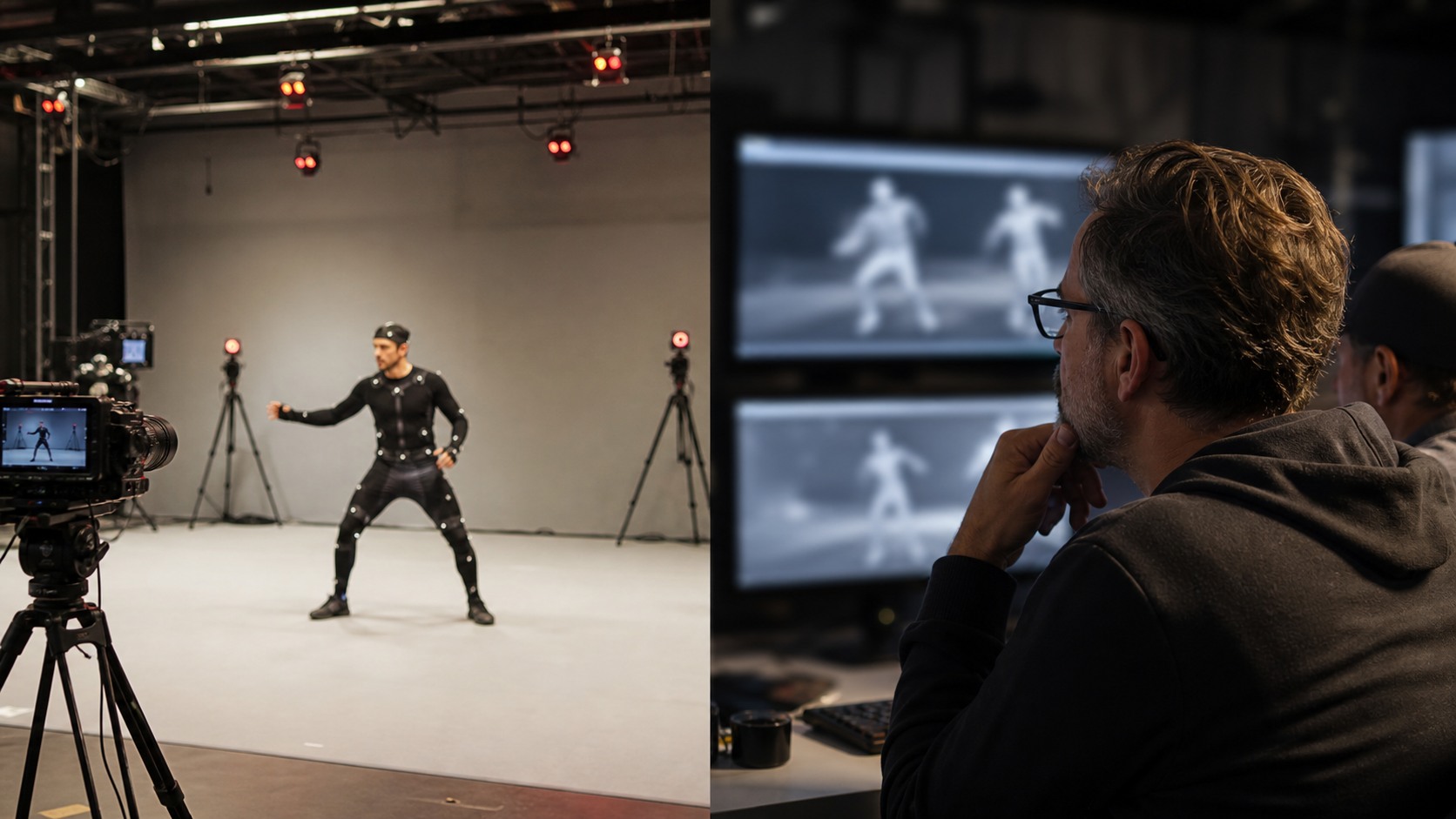
Traditional CGI is built through explicit construction. Artists create models, design surfaces, rig characters, animate movement, simulate effects, place lights, choose cameras, and render frames. The process can be slow, but it gives teams a high degree of control.
That control is why CGI remains central to professional visual effects. If a director wants a creature to turn its head three degrees later, an animator can adjust it. If a reflection needs to change, a compositor can work on a layer. If a shot needs revision, the pipeline has parts that can be inspected and modified.
Traditional CGI also fits established studio workflows. Assets can be reused, versioned, reviewed, and handed between departments. Large productions rely on that structure because final shots need repeatability, accountability, and precise notes.
How Generative Models Work
Generative models do not usually build every element explicitly. They learn visual patterns from examples and create new outputs that match a prompt, reference, or input. A text-to-video model may generate a shot from a description. An image model may create a concept frame. A video model may extend or transform motion.
The advantage is speed. A filmmaker can explore ideas quickly without building a full 3D asset or render pipeline. That makes generative models especially useful for ideation, pitch visuals, mood boards, early scene tests, and internal references.
The tradeoff is control. A generated result may look impressive but be hard to revise precisely. If a director needs the same character, costume, camera move, and lighting across many shots, generative models can struggle unless the workflow is carefully supervised.
Speed Versus Control
Generative AI often wins the first draft. It can produce visual possibilities in minutes, which helps filmmakers compare ideas before committing resources. Traditional CGI often wins the final controlled shot, especially when continuity, physics, animation, and revision notes matter.
This does not mean one method is always better. A concept artist may use generative AI to explore a creature, then a CGI team may build the final creature for production. A VFX team may use AI for cleanup or reference, then rely on traditional compositing for the final shot.
The best workflow asks what the shot needs. If the goal is exploration, generative AI may be ideal. If the goal is precise repeatable control, traditional CGI may be safer.
Where the Two Work Together
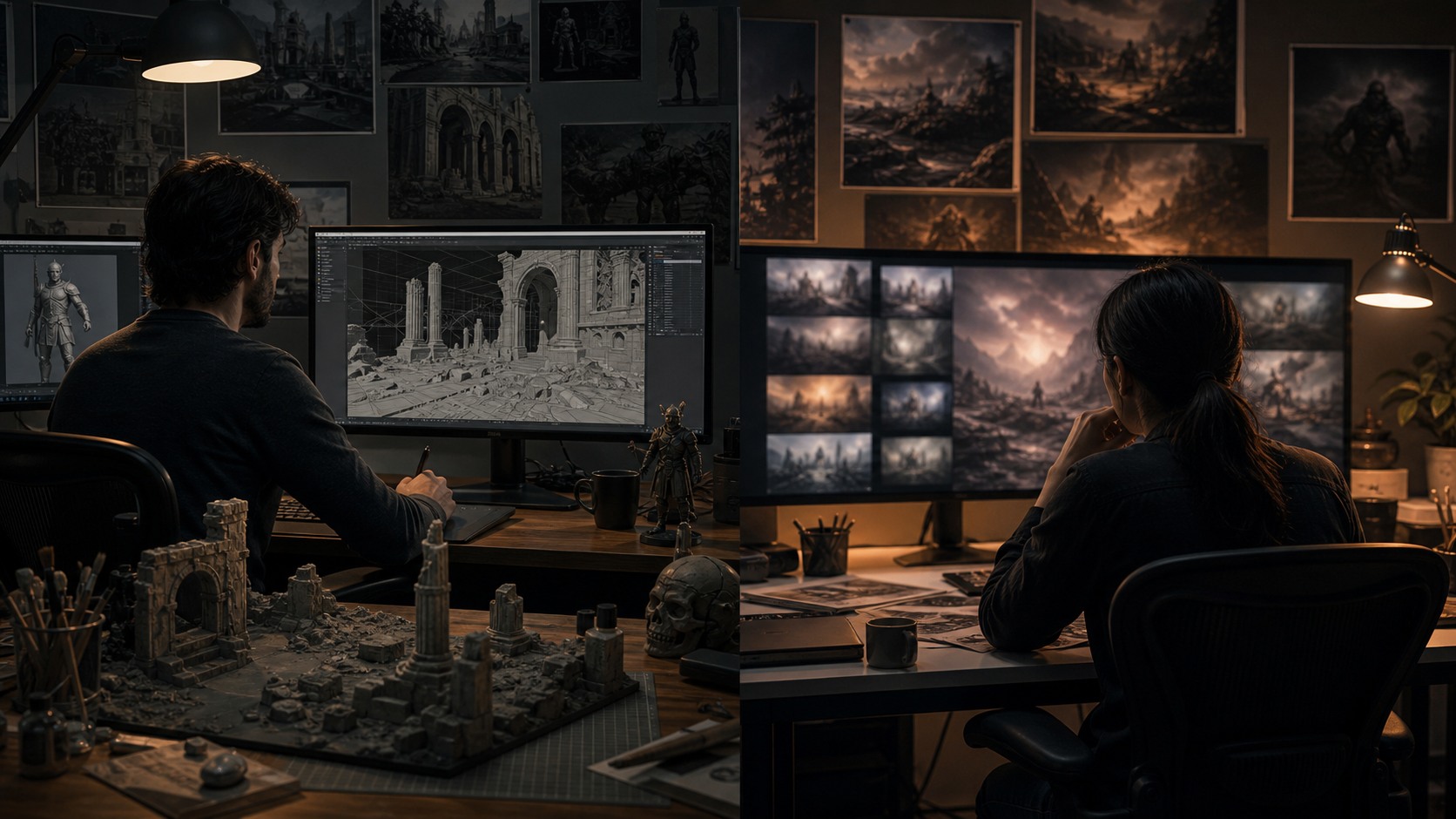
Hybrid workflows are already natural. Generative models can create mood frames, environment ideas, style tests, and first-pass visual directions. Traditional CGI can then translate the selected ideas into controllable assets. This lets teams explore quickly without surrendering final control.
AI can also support traditional VFX tasks such as rotoscoping, texture ideas, cleanup, denoising, or reference generation. These uses do not replace CGI. They make parts of the CGI and compositing pipeline faster.
A smart team treats generative AI as a sketching and assistance layer, while preserving traditional methods where exact revision matters. That balance can save time without weakening final quality.
Rights and Authorship Differences
Traditional CGI usually has a clearer asset trail. A studio knows which artists built the model, where textures came from, who animated the shot, and how the render was assembled. Generative AI can be murkier if source data, references, or model training are unclear.
This matters for professional use. A generated image that resembles a known property, artist style, or person can create risk. CGI can have rights issues too, but its production process is often easier to document. Generative workflows need stronger records to build the same confidence.
Creators should know what is internal exploration and what is final public material. The more public the output, the more important rights review becomes.
How Revision Notes Feel Different
Revision is where the difference becomes obvious. In a CGI pipeline, a supervisor can ask for a specific change: move the light, adjust the rig, slow the cloth, change the lens, or replace a texture. The team can often find the component responsible and revise it.
With generative models, the same note may require a new generation or a controlled variation. The output might improve one detail while changing another. A request to keep the same character but alter the background can produce unwanted drift. That uncertainty makes generative tools exciting for exploration and harder for exact finishing.
Filmmakers should plan for that difference. If a client, director, or studio will need many precise notes, traditional CGI or a hybrid workflow may be the wiser path. If the goal is to discover a visual direction quickly, generative AI may be the better starting point.
How Teams Should Talk About the Methods
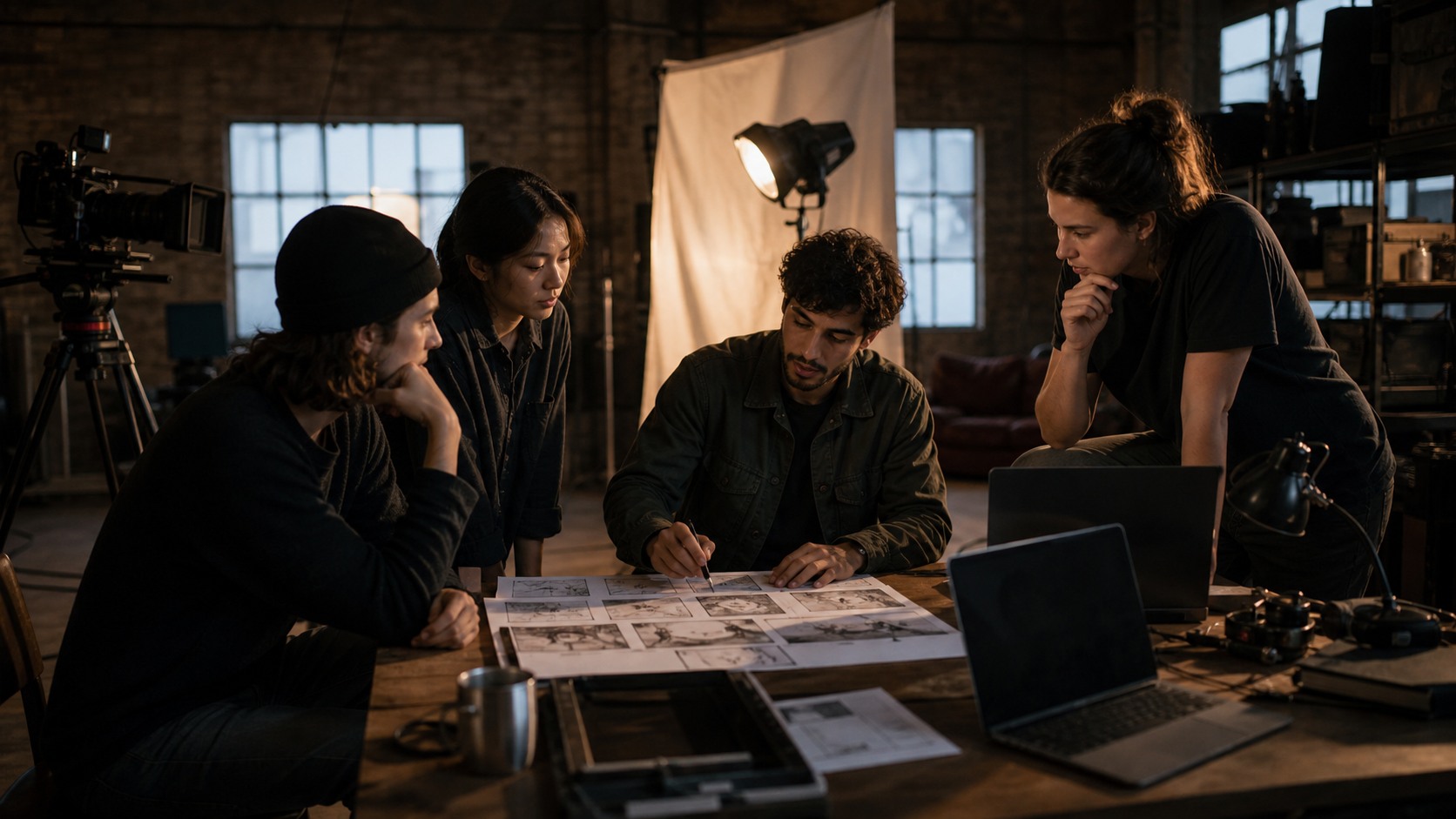
Teams should avoid treating AI and CGI as rival camps. The real question is what kind of control the shot needs. A fantasy environment, a creature performance, a spaceship, and a dream image may each need a different combination of methods.
A producer may care about schedule and rights. A director may care about emotion and visual surprise. A VFX supervisor may care about repeatability and handoff. Naming those needs early helps the team decide when to generate, when to model, and when to combine approaches.
What Happens in Pre-Production
In pre-production, generative models can be extremely useful because the questions are still open. What should the world feel like. How strange should the creature be. Should the environment look practical, painterly, documentary, or heightened. AI can help teams see alternatives before expensive commitments are made.
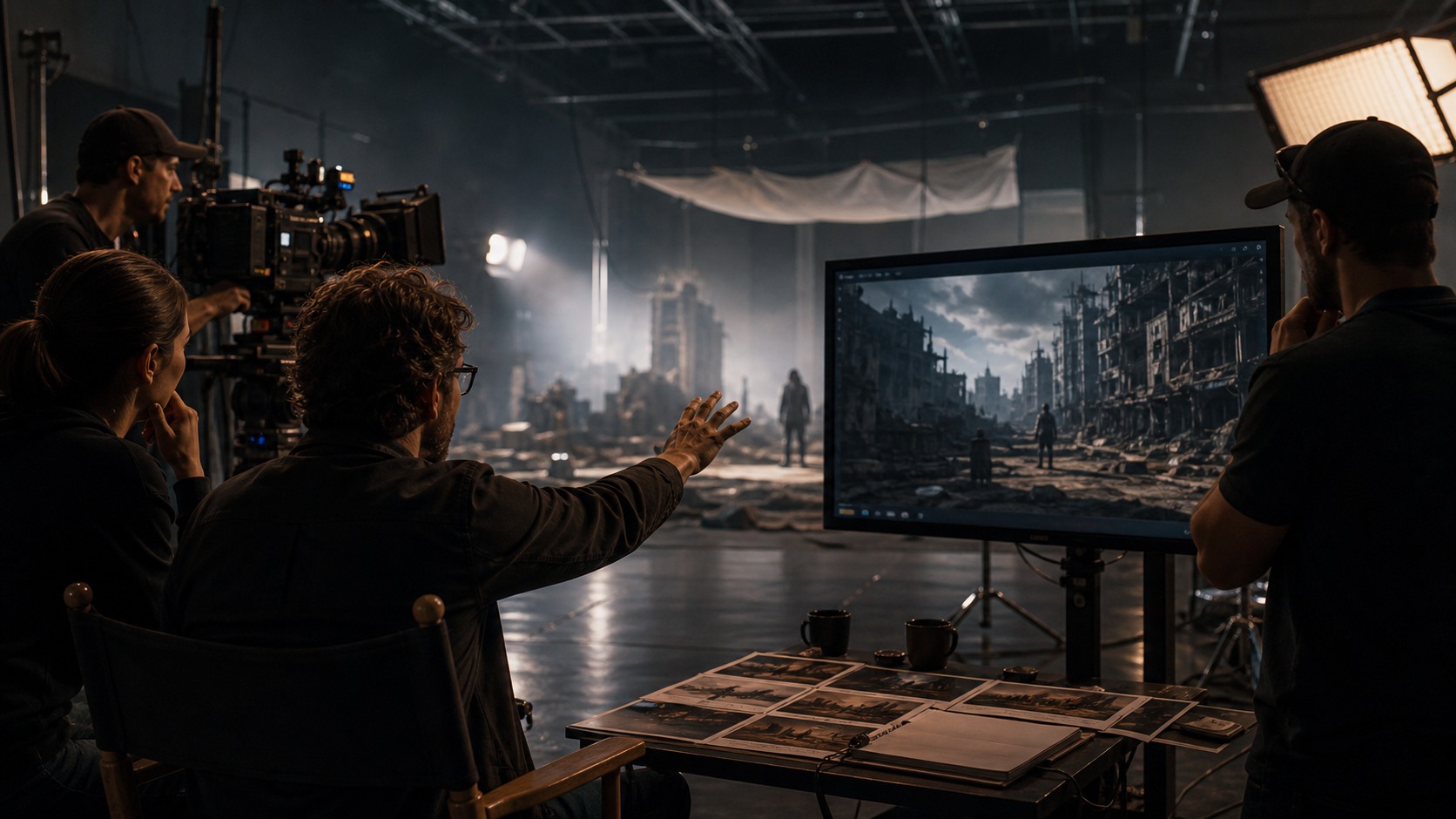
Traditional CGI can also begin in pre-production, but it usually becomes more valuable as the team narrows the design. Once a creature, vehicle, or environment has been approved, artists can build controlled assets that survive the demands of production. The generative phase may help choose the target; the CGI phase may help deliver it.
This handoff is important. If a team mistakes a generated concept for a finished asset, expectations can break. If the team treats it as a visual brief, it can help artists and supervisors align faster.
What Happens in Post-Production
In post-production, the difference is practical. Traditional CGI and compositing pipelines are designed for final delivery, version notes, quality control, and integration with filmed footage. They can be slow, but they are built for accountability.
Generative tools can still help in post. They may support cleanup, background experimentation, shot extension, or quick alternatives for a difficult moment. Those uses are valuable when supervised by artists who understand the surrounding footage.
The safest post workflow often combines methods. Use AI where it reduces friction, but preserve controllable pipelines where the shot must survive close review.
How the Audience Experiences the Difference
Most viewers do not care which method produced an image if the shot feels convincing and meaningful. They care whether the moment works. A flawless CGI creature can fail if the scene is dull, and a rough AI-generated image can work if it serves a striking idea.
Still, the method can affect the experience. Generative imagery may have a dreamlike slipperiness that suits certain stories. CGI may offer physical clarity that suits action, creatures, and complex environments. Filmmakers should choose the method that supports the audience's experience, not just the production shortcut.
Why Asset Ownership Changes the Conversation
Traditional CGI usually creates assets that a production owns or licenses directly. The model, rig, texture, animation file, and render settings can be stored and reused. That matters for sequels, reshoots, marketing, and long-term franchise work.
Generative outputs may be harder to treat as reusable assets unless the workflow is designed carefully. A team might have a strong image of a vehicle but no controllable model of that vehicle. If the vehicle must appear in ten shots, the team may need to build it traditionally or develop a more controlled hybrid process.
This is one reason professional teams often separate concept value from production value. A generated image can be excellent at defining a direction while still requiring traditional asset work before it becomes dependable in a final pipeline.
How Budget Choices Can Be Misleading
Generative tools can make early work cheaper, but they do not automatically make final work cheap. A production may save money on concept exploration and then spend time on cleanup, consistency, legal review, and integration. The budget moves rather than disappears.
Traditional CGI can look expensive at the start because artists and infrastructure are visible. Yet that cost may buy control, repeatability, and fewer surprises late in the schedule. Filmmakers should compare the full path to delivery, not only the price of the first image.
How Supervisors Can Set the Boundary
A visual effects supervisor or technical director can help decide where generative work should stop and controllable asset work should begin. That boundary may move from project to project. A stylized short may accept more AI output directly, while a commercial feature may require traditional builds for anything that appears repeatedly.
The boundary should be set before the team is under deadline pressure. If a generated concept needs to become a hero prop, creature, or environment, the team should know whether it will be rebuilt, refined, or used only as reference. Clear boundaries keep the method from becoming a last-minute argument.
This is especially important when shots pass between departments. Editors, compositors, colorists, and sound teams need to know what material is stable and what material is still experimental.
The Practical Middle Ground
For many productions, the middle ground is the most realistic answer: generate quickly, choose carefully, then rebuild or refine what needs dependable control.
Which Should Filmmakers Use?
Filmmakers should choose based on purpose. Use generative models when speed, exploration, and visual brainstorming matter most. Use traditional CGI when the shot needs repeatable characters, precise animation, complex simulation, or detailed revisions.
Budget also matters. Generative AI can lower the cost of early exploration, but final integration may still require artists. Traditional CGI can be expensive, but it may save time later when notes are specific and the pipeline is stable.
The choice is not ideological. It is practical. Use the method that gets the film closer to a controlled, meaningful, legally usable final image.
The Difference in One Sentence
Traditional CGI builds a controllable digital scene. Generative AI predicts new imagery from learned patterns. Both can create cinematic images, but they offer different strengths.
For creators, understanding the difference prevents unrealistic expectations. AI may produce a stunning frame quickly, but that does not mean it can handle every revision. CGI may take longer, but it can deliver the consistency a final shot needs.
The future will belong to filmmakers who can combine both intelligently: fast AI exploration, disciplined CGI control, and human judgment deciding which approach serves the scene.