The Film Pipeline Is Becoming More Iterative
AI is changing film production less like a single invention and more like a new layer across the whole pipeline. A script can be analyzed before a table read, a location can be mocked up before a scout, a shot can be previewed before a camera moves, and an edit can be tested before the final sound mix begins. That does not mean movies are suddenly made by software. It means filmmakers now have faster ways to ask what if, compare options, and remove friction from work that used to consume whole days. From script to screen, the biggest shift is that more creative decisions can be tested earlier, when they are still cheap enough to change.
Development Starts With More Visible Choices
In development, AI can help writers and producers see the shape of a project sooner. A model might summarize character arcs, flag pacing gaps, compare loglines, or turn a dense treatment into a more readable pitch document. None of those tasks makes a story good by itself, but they can help a team notice where the idea is clear and where it is still foggy.
The useful change is not that a machine writes the movie. The useful change is that early material can be reorganized quickly enough to support better conversations. A writer can test alternate act breaks, a producer can compare audience positioning, and a director can ask whether the emotional promise of the script is visible from the first few pages.
Pre-Production Gets a Faster Feedback Loop
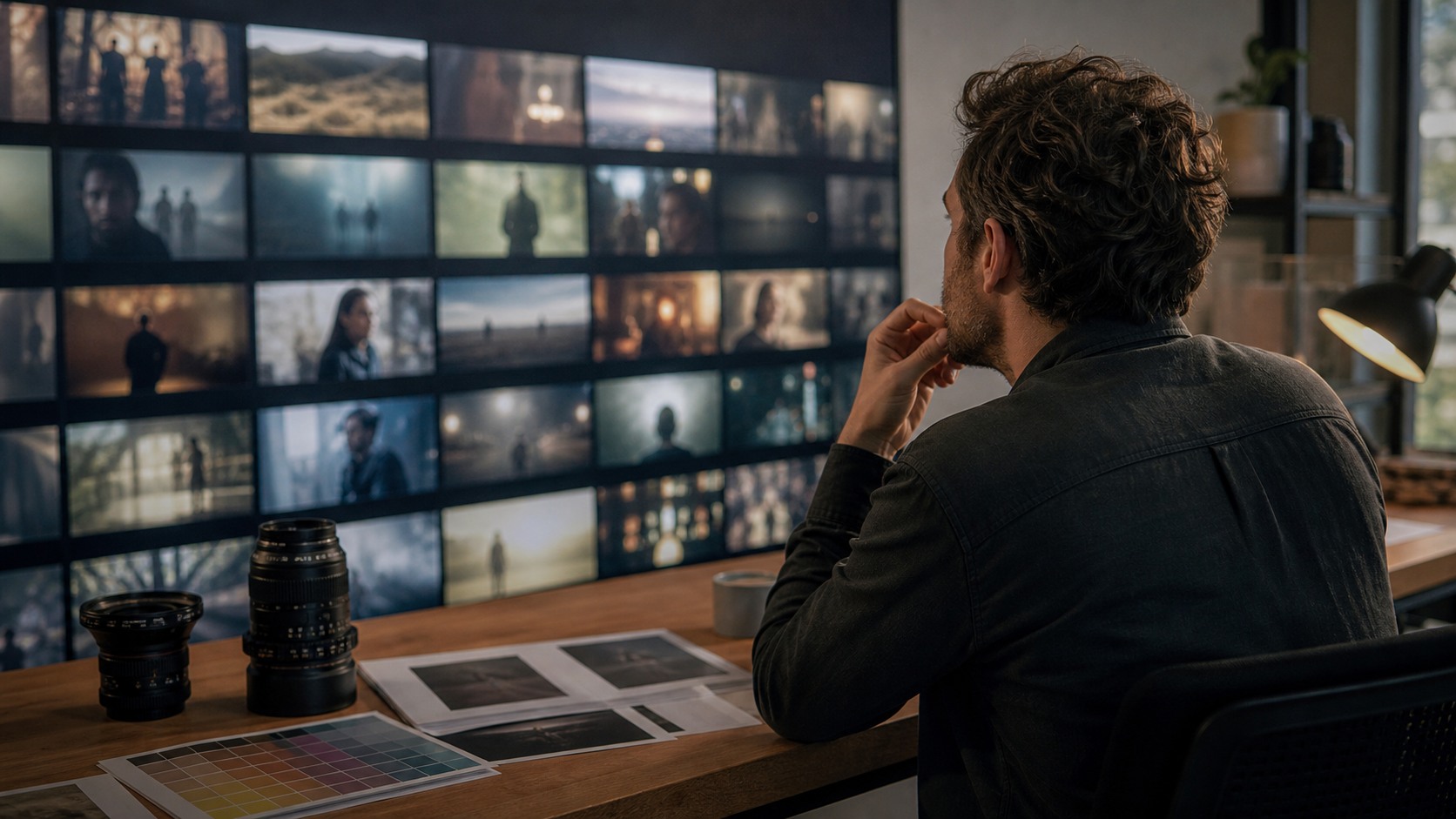
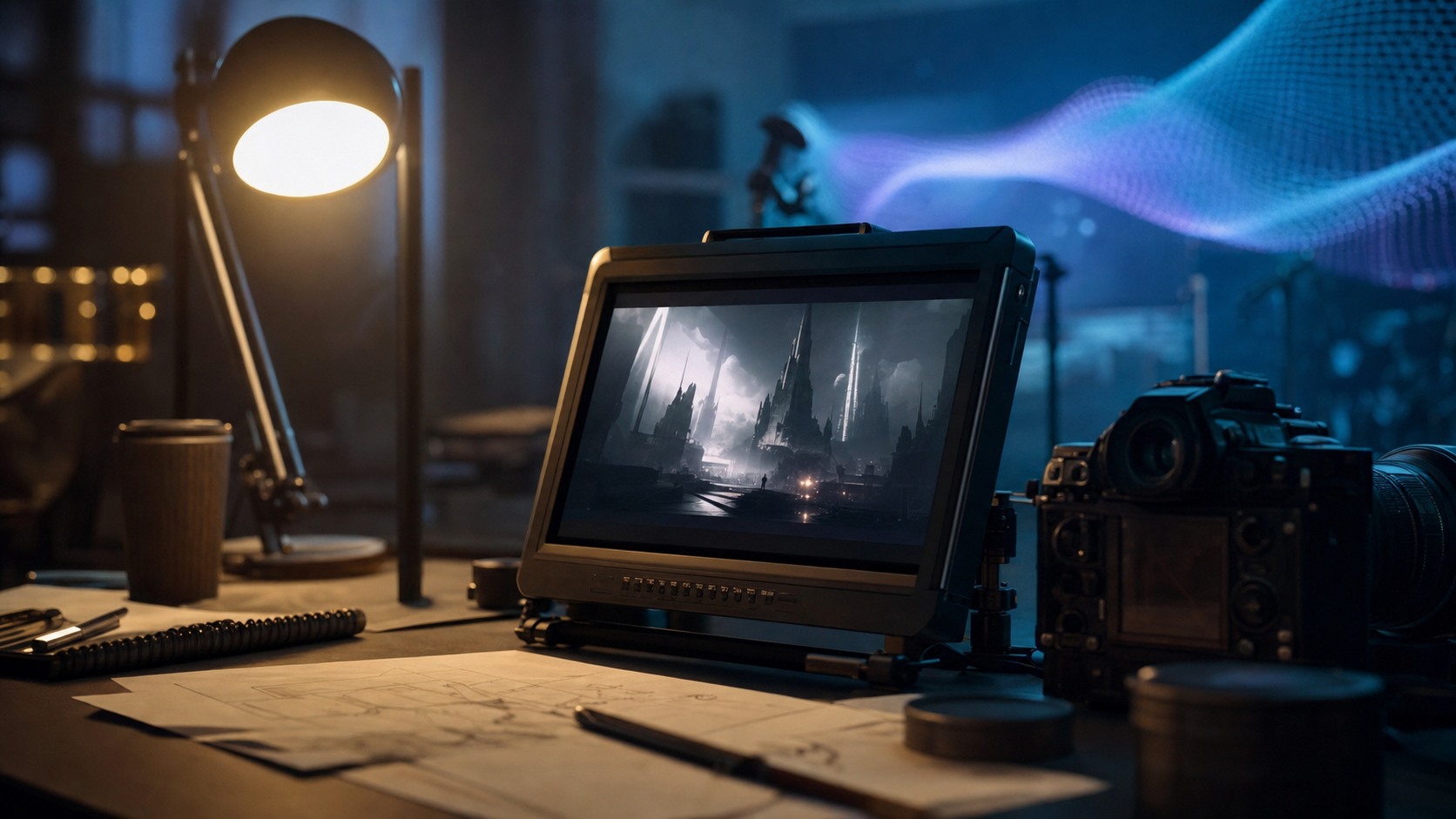
Pre-production is where the new tools often feel most practical. Mood frames, rough storyboards, production design sketches, wardrobe directions, and location variations can be explored long before final departments begin expensive work. This helps a team agree on tone without pretending that a generated image is a finished design.
A director might use AI references to explain how a kitchen should feel oppressive rather than cozy, or how a science fiction hallway should look used instead of pristine. Those early references become conversation starters for designers, cinematographers, and producers. The best teams treat them as temporary language that skilled collaborators can challenge and improve.
Sets Can Be Planned With More Precision
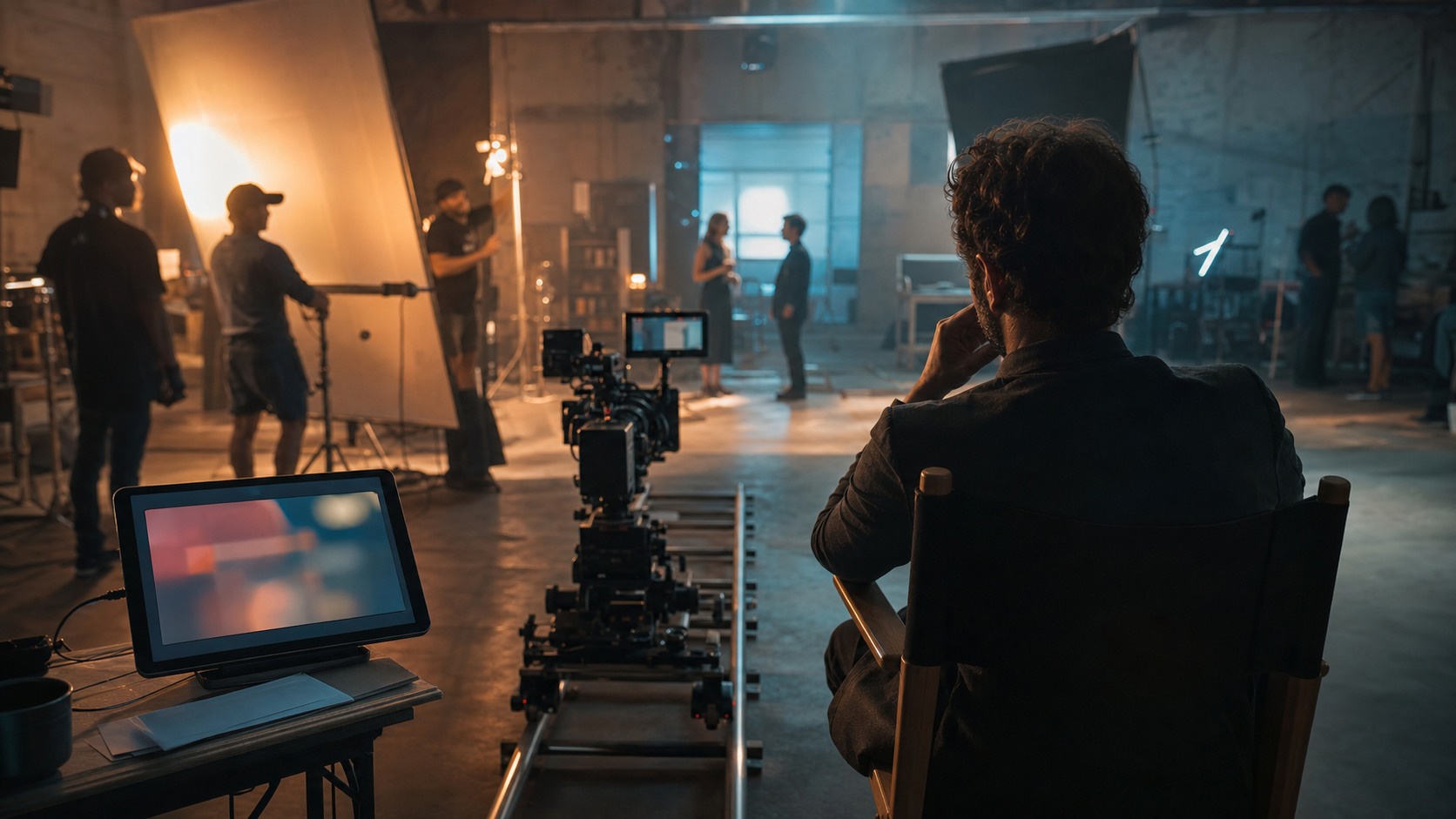
During production planning, AI can support shot lists, blocking ideas, lighting studies, and schedule assumptions. A small crew can preview whether a scene needs more coverage, whether a location creates continuity problems, or whether a complicated move deserves a rehearsal day. These decisions still belong to the director and department heads, but the planning material can become much more concrete.
The danger is false confidence. A generated previsualization may ignore power, space, permits, actor movement, or the time required to relight a setup. For that reason, AI planning works best when it is checked against real production knowledge. It should expose questions, not erase them.
Post-Production Becomes More Assisted
Editing and finishing are already full of repetitive technical labor, which makes them natural places for automation. AI can transcribe footage, group takes, remove background noise, create temp subtitles, suggest rough selects, stabilize shots, and help with rotoscoping or cleanup. These uses can save time without asking the editor to surrender taste.
The creative edit still depends on rhythm, performance, contrast, surprise, and restraint. A system can identify a smile or a pause, but it does not know whether the pause should feel romantic, guilty, funny, or frightening. Editors use AI best when it clears the bench so human attention can go to story pressure and emotional timing.
AI Also Changes Collaboration
Film production is a coordination problem as much as an artistic one. AI tools can translate rough ideas into visual references, turn meeting notes into department tasks, and help nontechnical collaborators understand a decision. This can make communication faster, especially for independent filmmakers who do not have large support staffs.
At the same time, faster communication can become noisier communication. If every meeting produces dozens of generated options, the team can drown in alternatives. Strong leadership becomes more important, not less. Someone still has to decide what the film is and what it is not.
The Screen Still Needs Human Meaning
The final audience does not care how quickly a frame was prototyped. Viewers respond to clarity, tension, beauty, performance, and emotional truth. AI can help a film reach those qualities by reducing waste and widening exploration, but it can also distract a team with polish that has no dramatic purpose.
The healthiest production mindset is selective adoption. Use AI where it gives the team more time, better communication, or stronger options. Avoid it where it muddies authorship, weakens trust, or flattens the voice of the film. The toolchain is changing, but the reason to make a movie remains stubbornly human.
What Beginners Should Watch First
A beginner trying to understand this shift should watch the handoffs between stages. The script conversation influences previsualization, previsualization influences the schedule, production reality reshapes the edit, and the edit changes what finishing tools must solve. AI is most powerful when it makes those handoffs clearer. It is least useful when each tool is treated as a separate trick with no connection to the film as a whole.
It also helps to separate acceleration from automation. Acceleration means a person gets to a better decision faster. Automation means a task is handed to software with limited intervention. Both can be useful, but they are not the same. Most film work benefits from acceleration first, because cinema is full of judgment calls that deserve human review.
Small productions may feel the change sooner than large studios because they have fewer layers between idea and execution. A solo creator can prototype a pitch, plan coverage, clean sound, and prepare captions with tools that used to require several specialists. Larger productions may move more slowly because rights, approvals, unions, vendors, and security all matter at scale.
The future from script to screen is not a push-button pipeline. It is a more responsive production environment. Filmmakers who learn to ask clear questions, keep useful records, protect collaborators, and judge outputs honestly will get more from AI than filmmakers who only chase speed.
The strongest early gains often come from routine friction. Transcribing dailies, sorting interview material, cleaning a noisy guide track, or preparing review notes may not sound glamorous, but those jobs shape how quickly a team can think. When AI shortens that work, the creative team has more room for the decisions that cannot be delegated.
There is also a planning advantage in making uncertainty visible. A producer may not know that a scene has three hidden effects shots until a rough visual pass exposes them. A director may not realize that the script's most expensive image is not the most important image. AI-assisted planning can bring those discoveries forward, when changing direction is still possible.
The risk is that teams mistake volume for progress. A folder full of generated frames can feel productive even when no decision has been made. Good production leadership turns options into commitments. It asks which version supports the story, which version fits the schedule, and which version deserves real craft attention from the people responsible for the final movie.
From script to screen, AI works best as connective tissue. It helps a thought become a reference, a reference become a plan, and a plan become a more focused conversation. The movie still has to survive actors, weather, locations, editing, sound, color, and audience attention. That living pressure is why human judgment remains the center of production.
For beginners, the practical lesson is to adopt one tool at one stage and measure whether it improves the work. If script analysis creates better revisions, keep it. If generated boards confuse the crew, change the process. If automated cleanup gives the editor more time with performance, it is useful. The value of AI is not abstract; it is proven by whether the film gets clearer.
A smart production also decides where AI is not welcome. Sensitive performances, actor likenesses, confidential materials, union questions, and culturally specific design work may require stricter boundaries. Drawing those boundaries early prevents speed from turning into conflict later. It also reassures collaborators that the production is using new tools with care rather than chasing novelty at their expense.
The most durable change may be educational. Young filmmakers can now see versions of an idea quickly, compare them, and learn why one version communicates better than another. That feedback loop can sharpen taste if it is paired with serious review. The danger is passive acceptance, but the opportunity is active learning at a pace that older production workflows rarely allowed.
In the end, AI changes film production by moving many experiments earlier. The script can be tested as a pitch, the pitch can become a visual plan, the plan can inform the shoot, and the shoot can enter post with better organization. Each step still depends on people who know what the movie is trying to become.
Another way to understand the shift is to follow a single scene. The writer clarifies the conflict, the director asks for visual approaches, the producer checks cost, the cinematographer tests a lighting direction, the editor imagines what coverage will be needed, and the sound team considers the scene's atmosphere. AI can touch every one of those moments, yet the value comes from the conversation between them. A tool that helps the writer but confuses the editor has not improved the pipeline.
The healthiest productions will therefore build review points into the workflow. A generated storyboard should be checked by someone who understands shooting. An automated transcript should be checked before it informs a story decision. A temp score should be clearly labeled before a client hears it. These checks may feel slower than full automation, but they protect the work from confident mistakes. Film production has always depended on handoffs, and AI simply gives those handoffs new material to inspect.
The change from script to screen is ultimately cultural as much as technical. Crews will need shared language for what AI material means, whether it is a sketch, a test, a reference, or an approved asset. Producers will need policies that fit the scale of the project. Directors will need enough tool literacy to ask for useful experiments without losing the film's voice. The better that culture becomes, the more AI can serve the production instead of distracting it.
A useful final measure is whether the audience would feel the benefit without noticing the tool. If AI helped the team find a stronger opening image, organize footage faster, or remove a technical distraction, the viewer simply experiences a clearer film. That is the real promise from script to screen: not obvious automation, but better decisions arriving earlier and carrying through the whole production. That quieter improvement is often what separates a flashy workflow from one that genuinely supports finished work. For many teams, the real breakthrough is simply having fewer expensive surprises. It gives filmmakers more chances to fix the plan while the plan is still flexible. That margin matters. Creatively.