A Beginner’s Map to Generative Film Tools
Generative AI models are becoming part of everyday filmmaking language, yet the phrase can sound far more mysterious than the work itself. At the simplest level, these models learn patterns from existing material and use those patterns to create new images, sounds, text, motion, or variations that a filmmaker can shape. They do not understand cinema like a director understands a performance, but they can produce options quickly enough to change how an idea is tested. For a beginner, the most useful way to think about them is not as replacement filmmakers, but as tireless draft partners that can sketch, simulate, clean, extend, and rearrange creative material while the human team decides what belongs in the movie.
What a Generative Model Actually Does
A generative model studies examples and builds a statistical sense of how those examples are arranged. In filmmaking, those examples might include images, video frames, scripts, voices, music, production stills, or editing patterns. When someone gives the model a prompt, reference image, storyboard, or clip, the model predicts a new output that fits the request. The result can feel magical, but underneath it is pattern prediction at enormous scale.
That distinction matters for creative work. A model can create a moody alley, suggest a shot list, generate rough concept frames, or extend a background plate, but it is not deciding what the story means. It is offering material that still needs taste, context, continuity, and responsibility. The filmmaker remains the person asking whether the output serves the scene.
Beginners often run into trouble when they expect a first output to be final. Generative models usually work best through iteration. A director might begin with a broad prompt, notice what feels promising, add constraints about lens language or period detail, then reject anything that breaks the emotional tone of the film.
Where These Models Fit in the Filmmaking Pipeline
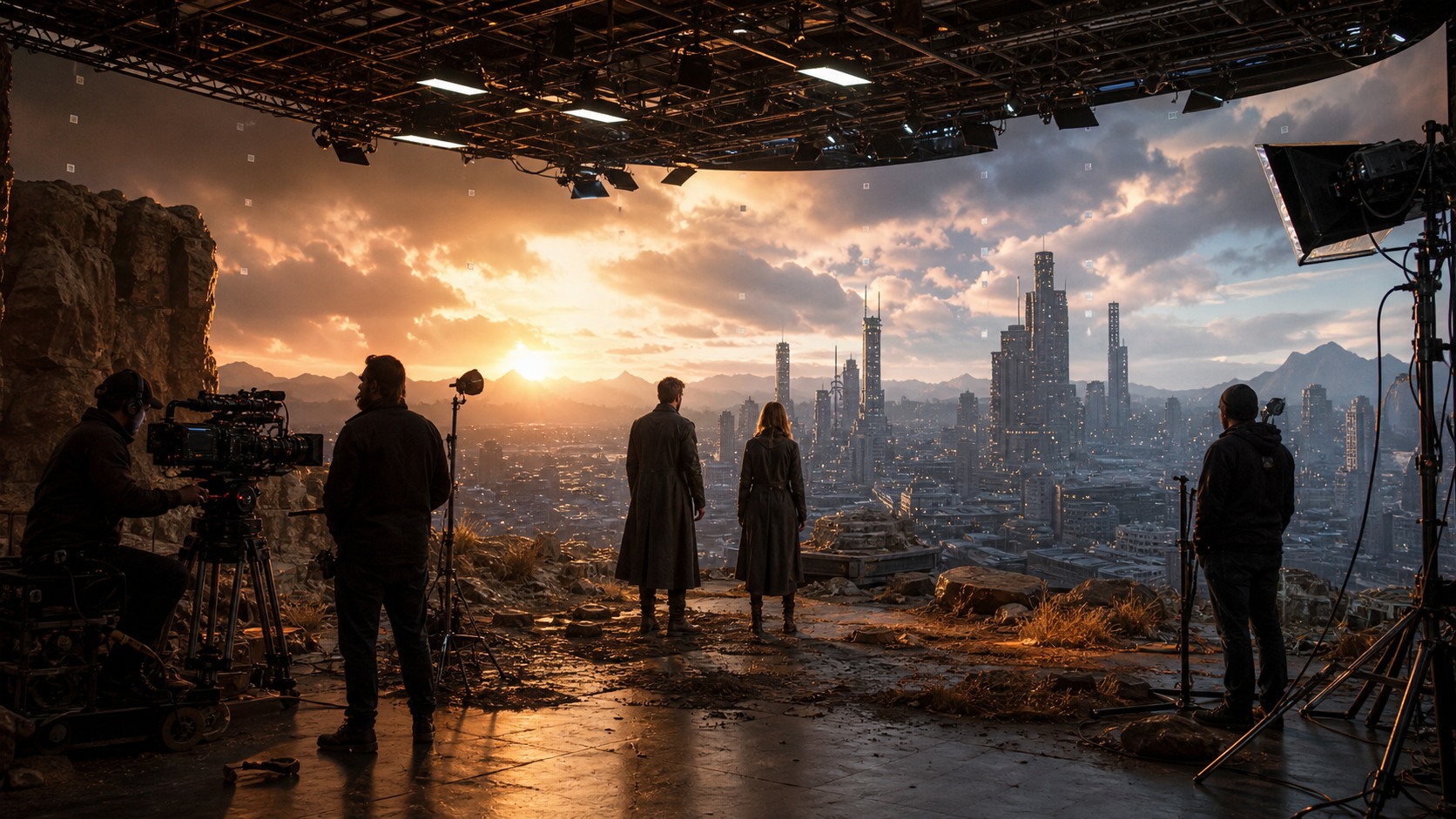
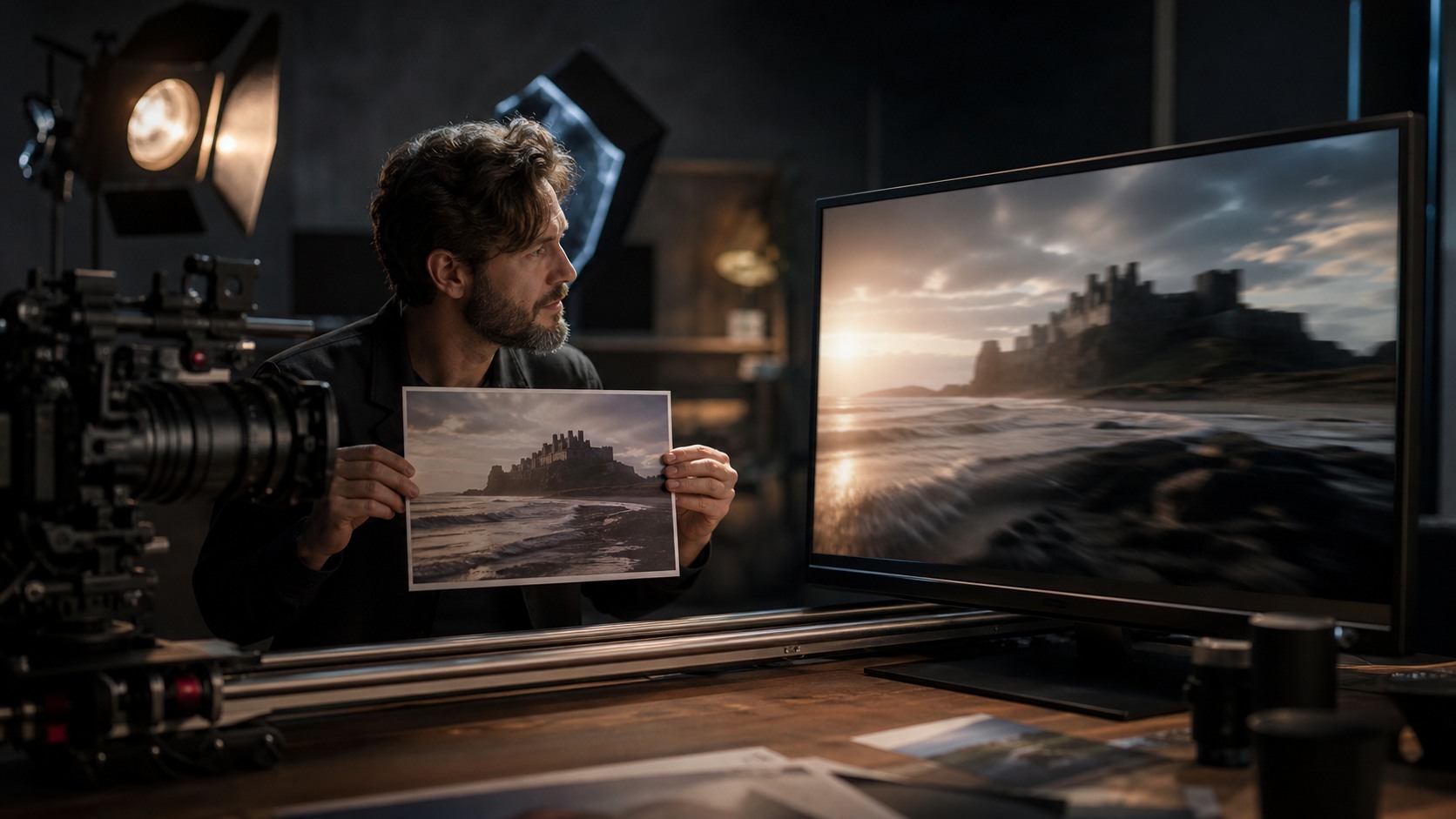
The earliest use is often pre-production, where speed is especially valuable. Writers and directors can explore tone boards, creature concepts, locations, wardrobe directions, or rough story beats before hiring a full department. Producers can also use early visuals to communicate scope, budget pressure, and creative ambition more clearly than a text description alone.
During production planning, generative tools can help imagine camera angles, blocking, lighting moods, and possible transitions. These outputs are not a substitute for a cinematographer or production designer, but they give collaborators something concrete to debate. A weak generated image can still be useful if it reveals what the team does not want.
Post-production uses are more technical. Models can assist with cleanup, rotoscoping, voice isolation, subtitle timing, image restoration, shot extension, and temporary sound or music ideas. The strongest workflows treat these outputs as material to supervise, refine, and legally review rather than as invisible shortcuts.
Text, Image, Video, Audio, and Motion Models
Text models are usually the easiest entry point because they can help outline scenes, rephrase loglines, test audience summaries, or organize production notes. Image models are more visual and can produce concept art, mood frames, or alternate production design directions. Video models add motion, which makes them exciting but also harder to control because continuity, physics, and performance become more demanding.
Audio models serve a different part of the craft. Some generate temp music or ambient beds, while others clean dialogue, separate tracks, or reshape voice qualities. Motion and performance models can support animation tests, facial reference, or body movement studies. Each model type has a different risk profile, so a filmmaker should choose the tool by task instead of treating all AI as one category.
Why Filmmakers Use Them
The obvious benefit is speed, but speed is not the whole story. Generative models make it cheaper to compare creative directions before committing money to sets, locations, effects, or long edit sessions. They also make early communication easier because a director can show a feeling instead of trying to describe it perfectly in a meeting.
The deeper benefit is iteration. Film work improves through versions, and AI can produce versions quickly enough to reveal hidden preferences. A team may discover that the colder color palette feels wrong, that a futuristic location should be more ordinary, or that a monster design becomes scarier when it is barely visible.
The Limits Beginners Should Respect
Generative models can hallucinate details, ignore instructions, produce visual artifacts, or create outputs that look polished while being dramatically useless. They may also reflect biases in training data or imitate styles in ways that raise ethical and legal concerns. A professional workflow needs review, documentation, and clear rights practices.
There is also a taste problem. If every decision is optimized for whatever the model produces easily, the film can start to feel generic. Strong filmmakers use AI to widen possibility, then narrow the work through personal judgment. The tool should help a movie become more specific, not more average.
Beginners should also remember that continuity is difficult. Characters, props, lighting, and geography can drift between outputs. That means generative work often belongs in ideation, prototyping, and assisted finishing unless a team has a carefully supervised pipeline.
How to Start Without Getting Lost
A practical first project is to choose one scene and use AI only to explore the world around it. Generate a few tone frames, ask for possible shot approaches, create temporary sound references, and compare how each choice changes the emotional read. Keep the experiment small enough that you can judge the result like a filmmaker instead of chasing novelty.
Save prompts, references, and rejected versions. This habit teaches you what the model responds to and protects the production from confusion later. Over time, the best prompt is rarely the fanciest prompt; it is the clearest description of dramatic intention, practical constraints, and visual priorities.
The Human Role Stays Central
Generative AI changes the pace of filmmaking, but it does not remove the need for point of view. The model can generate a hundred doors; it cannot know which one your character is afraid to open. That choice belongs to the storyteller.
The strongest beginner mindset is curiosity with supervision. Use the model to see more possibilities, then apply craft to select, revise, and discard. In that balance, generative AI becomes less intimidating and more useful: not the future of film by itself, but one set of instruments inside a much larger creative practice.
A Practical First Workflow
A small team can begin with one repeatable workflow: define the scene problem, gather references the team has permission to use, generate rough options, select only the useful directions, and rewrite the brief in human production language. That workflow keeps the model from becoming the center of the process. It also gives every collaborator a chance to say what is practical, original, and emotionally right before time is spent polishing an output that may not belong in the film.
The best early experiments are intentionally narrow. Instead of asking AI to invent a whole movie, ask it to explore the weather outside one location, the visual contrast between two characters, or the difference between a handheld and locked-off mood. Those smaller tests teach a filmmaker how the technology behaves while preserving the habits that matter most: making choices, explaining choices, and taking responsibility for the final frame.
As the workflow matures, the filmmaker should separate discovery from delivery. Discovery is where the model can be messy, surprising, and exploratory. Delivery is where the production needs consistency, clear rights, technical quality, and confidence that the material serves the story. Confusing those two stages is how teams end up defending an output simply because it was impressive at first glance.
A useful habit is to write a one-line reason beside every generated asset that survives review. The reason might be that the frame captures the loneliness of a location, that a sound idea suggests the right pressure, or that a storyboard angle reveals the key prop at the exact moment it matters. If no one can explain why the asset helps, it probably should not guide the production.
Generative AI also rewards restraint. Because a model can produce endless alternatives, a filmmaker can waste hours searching for a perfect version that never arrives. Professional taste often means stopping when the material is good enough to clarify the next human decision. The point is not to admire the machine's range; the point is to move the movie forward.
The strongest creative teams will likely use generative models in visible, disciplined ways. They will tell collaborators what was generated, what was merely referenced, and what has been approved for actual use. That transparency protects trust and makes the work easier to revise. It also reminds everyone that a generated image, sound, or paragraph is only one contribution inside a larger chain of human craft.
For classroom projects, festival shorts, music videos, and early pitch reels, that discipline can be simple. Keep a folder for prompts and outputs, another folder for selected references, and a short document explaining how each selected AI asset was used. This does not have to become bureaucracy. It is a lightweight production habit that prevents confusion when a collaborator asks where a frame came from or why a design direction changed.
There is also a creative confidence benefit. When beginners understand the model as a drafting tool, they stop treating every strange result as a personal failure. They learn to redirect, reject, and refine. That mindset is close to ordinary filmmaking, where locations disappoint, performances surprise, cuts collapse, and solutions emerge through revision. Generative AI simply moves some of that revision earlier in the process.
The best long-term question is not whether the model can make something impressive. It often can. The better question is whether the output helps a particular film become more precise, more emotionally legible, or more achievable. If the answer is yes, the tool has done useful work. If the answer is no, the filmmaker should let the output go, no matter how polished it looks.
This is why generative AI belongs beside the ordinary language of filmmaking rather than above it. The useful questions remain familiar: What does the character want. What should the audience know. Where is the tension. Which detail can be removed. Which image carries the scene. A model can supply candidates for those answers, but it cannot feel the pressure of the scene on behalf of the filmmaker.
Once beginners see the tool in that proportion, the subject becomes less intimidating. Generative models are powerful, flawed, fast, and dependent on direction. They can help a filmmaker think through a movie before the expensive decisions arrive, but they work best when guided by taste, ethics, and practical craft. That balance is the real beginner's guide: explore widely, decide carefully, and keep the story in charge.
A final safeguard is to review the result after a night's distance whenever the schedule allows. Fresh eyes make it easier to notice when the model has supplied surface excitement instead of a genuine filmmaking solution. That pause often protects the movie from a choice that only looked useful in the rush of discovery.