Neural Rendering Turns Learned Visual Patterns Into Post Tools
Neural rendering automation is the use of machine learning to synthesize, reconstruct, enhance, or transform moving images in post-production. Instead of relying only on traditional manual layers, masks, simulations, and renders, neural tools learn visual patterns and use them to create new frames, improve old footage, extend images, relight scenes, or support visual effects. The technology is exciting because it can speed difficult work. It is also risky because convincing images still need control, consent, and careful review. The future of editing and post will likely be hybrid: faster neural passes guided by human craft.
What Neural Rendering Means
Neural rendering uses machine-learning models to create or modify visual material. The model may learn from images, video frames, depth information, camera data, or other references, then use that learning to produce a new visual result. In post-production, that result might be an enhanced shot, a new view, a repaired frame, or a synthetic element.
Traditional rendering often depends on explicit 3D models, lights, materials, simulations, and compositing steps. Neural rendering can sometimes infer parts of that work from examples. That makes it powerful for reconstruction, view synthesis, restoration, relighting, and other tasks where direct manual control would be slow.
The tradeoff is that neural rendering can be harder to predict. A traditional layer can often be adjusted directly. A neural output may need prompting, retraining, reference changes, or cleanup. Post teams need to understand both the promise and the uncertainty.
Where Automation Enters Editing and Post
Neural rendering may support post by filling gaps between frames, improving resolution, reducing noise, creating synthetic backgrounds, extending sets, or helping artists generate first passes for complex shots. It can also assist restoration by rebuilding damaged or missing details in older footage.
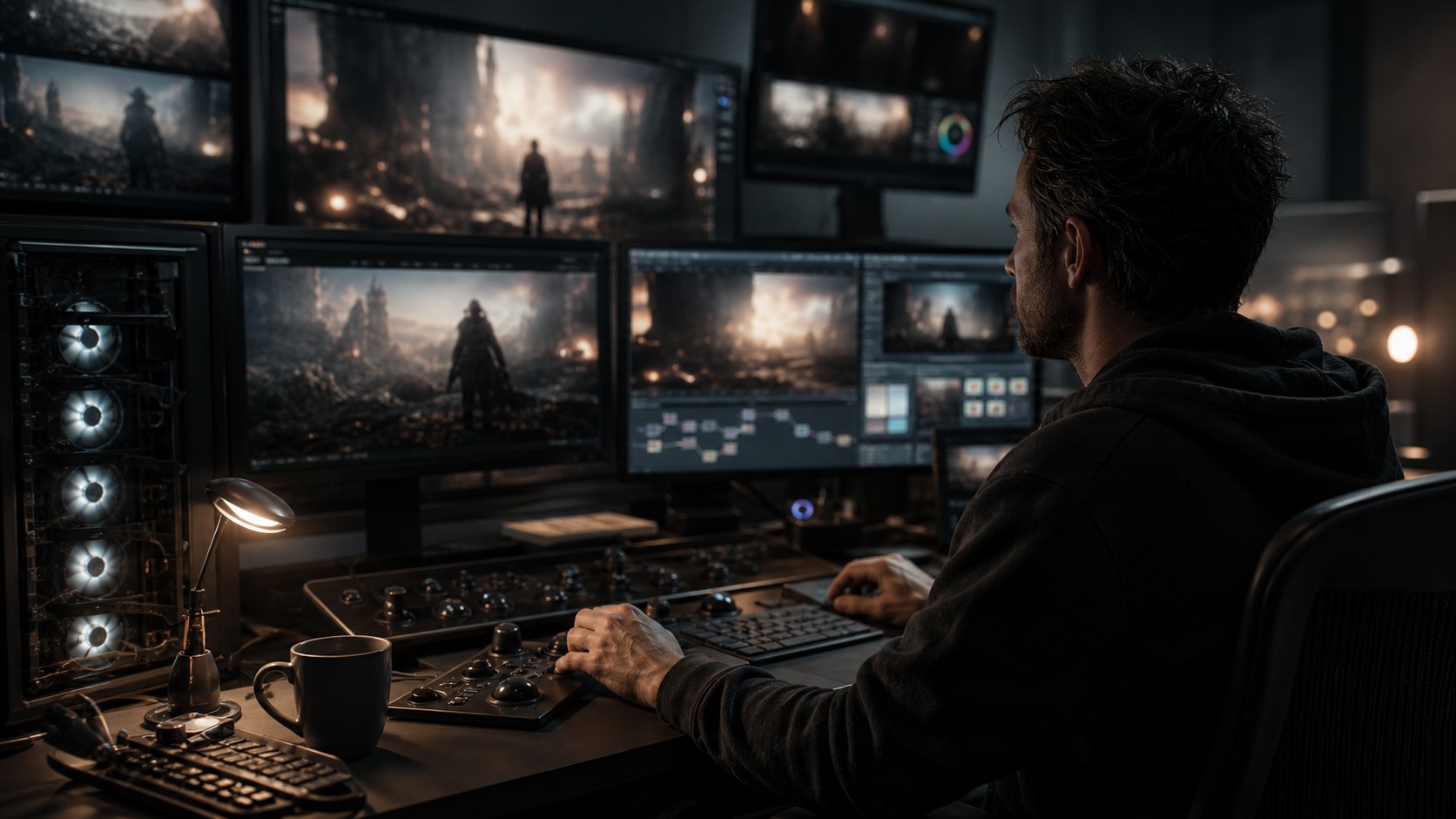
Editors may encounter neural rendering indirectly. A shot may be stabilized, cleaned, extended, or enhanced before it reaches the timeline. Visual effects teams may use neural passes as starting points. Color and finishing teams may review images that have been altered by learned models rather than only traditional tools.
The automation is useful when it solves a defined problem. It becomes dangerous when teams treat the output as finished simply because it looks plausible. A neural result can be visually impressive and still wrong for continuity, performance, physics, rights, or story.
Why Motion Review Matters
Neural rendering must be reviewed in motion. A still frame can look excellent while the shot flickers, crawls, or changes identity across frames. Edges may shimmer. Skin texture may shift. Backgrounds may breathe unnaturally. Small errors become obvious once the shot plays.
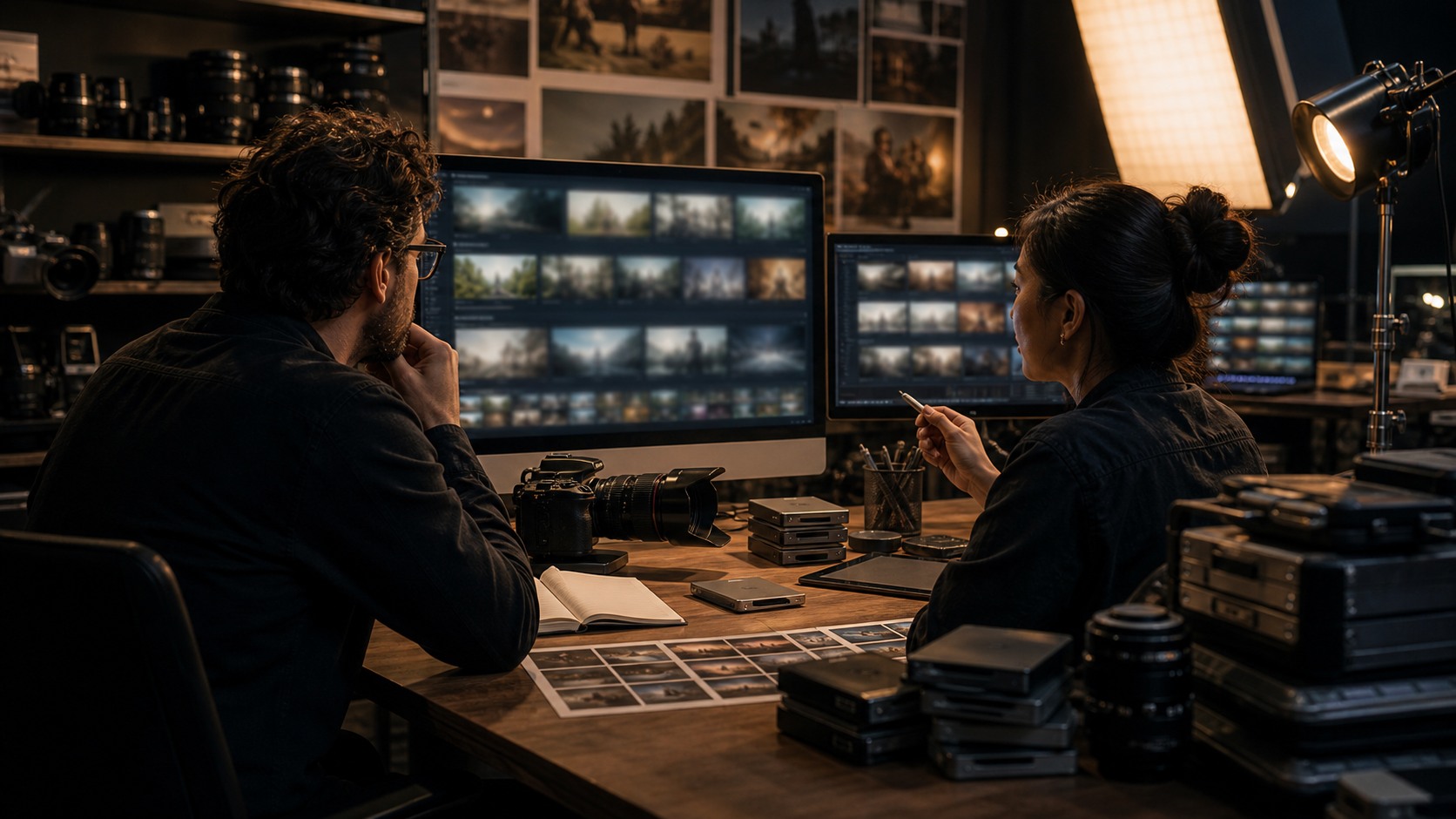
This is why post teams cannot approve neural outputs from thumbnails or isolated stills alone. They need to watch the shot at proper resolution, beside surrounding shots, and with the intended grade or temporary grade. The question is not whether one frame looks good. The question is whether the image holds up as cinema.
Motion review also protects performance. If a neural process changes an actor's face, eyes, mouth, or timing, the emotional read can shift. That makes review both a technical and ethical responsibility.
Creative Uses and Real Limits
Creatively, neural rendering can help filmmakers imagine shots that would have been too expensive or time-consuming to test. It can support virtual production, stylized imagery, digital environments, and restoration. It can also give smaller teams a way to explore visual ideas before committing to full effects work.
The limits are just as important. Neural systems may invent details that were never approved, distort likenesses, or create surfaces that feel too smooth. They may struggle with hands, faces, fast movement, glass, hair, smoke, or complex lighting. The more a shot matters to story or performance, the more carefully it should be supervised.
A useful workflow treats neural rendering as a draft engine, not an unquestioned final renderer. Artists and supervisors still shape the result. The tool creates possibilities; craft decides what belongs.
How Artists Fit Into the Future
Artists remain essential because they know what to look for. A neural output may fool a casual viewer for a moment, but an experienced compositor, colorist, VFX artist, or editor can see when motion feels wrong, light does not match, or a texture lacks weight. Their knowledge becomes a review layer and a creative steering layer.
The future may shift some labor from manual creation toward supervision, correction, and integration. That does not make craft less important. It makes craft the standard that machine output must meet. Artists who understand both traditional technique and neural tools will be able to decide which method fits the shot.
This future also requires communication. Directors and producers need to understand what is automated, what is editable, what is risky, and what requires approval. Without that context, neural rendering can create confusion inside the post pipeline.
Ethics, Rights, and Trust
Neural rendering raises ethical questions whenever it touches faces, bodies, performances, locations, or styles. Altering an actor's likeness, creating synthetic performance details, or generating material based on protected references requires consent and review. Post-production speed does not remove those obligations.
Rights questions can also appear in training data, reference material, and public-facing assets. A production should know where its source material comes from and how generated or altered imagery will be used. Internal experiments are different from final shots or marketing materials.
Trust is the foundation. Actors, artists, clients, and audiences need confidence that images are not being manipulated irresponsibly. A strong neural rendering workflow documents important changes and keeps approval visible.
The Future of Editing and Post
The future of editing and post is likely to include more neural tools, but not less human judgment. Editors will still shape time. Artists will still fix, blend, and refine. Colorists will still create the final visual arc. Supervisors will still decide whether a shot is ready.
What changes is the speed and scope of possible first passes. A task that once required days may begin in minutes. A concept that once required a full build may be tested quickly. That can create more experimentation, but it can also create more material to review. The workflow must stay disciplined.
Neural rendering automation is powerful when it helps post teams move from impossible to possible, or from repetitive to reviewable. It is dangerous when it replaces clear approval with visual confidence. The future belongs to teams that can use the speed without losing control.
How Post Teams Can Start Carefully
A careful post team starts with low-risk shots and internal tests. Instead of applying neural rendering to a hero close-up immediately, the team might test restoration, background cleanup, or a temporary visual effect. These tests reveal how the tool behaves without putting the production's most sensitive material at risk.
The team should define success before the test begins. Does the output need to save time, create a look, repair damage, or help a supervisor compare options. Without a clear goal, neural rendering can become an endless experiment. With a clear goal, the team can judge whether the tool actually helped.
It is also important to compare neural results against traditional alternatives. A traditional fix may be slower but easier to control. A neural pass may be faster but need more review. The best workflow is chosen after comparison, not assumption.
Documentation should begin early. Track the source material, tool version, settings, prompts, approvals, and final use. This record helps artists reproduce results, helps producers understand risk, and helps legal or delivery teams answer questions later.
A careful start does not make neural rendering less creative. It makes the creativity safer to use. Once the team understands the tool's strengths and failure patterns, it can decide where to push further.
The future of editing and post will reward teams that test boldly but approve carefully. Neural rendering can widen what is possible, but the finished image still needs the discipline of professional post-production.
What Changes for Editors
Editors may not operate neural rendering tools directly, but they will feel the effects. Shots may arrive with new kinds of fixes, extensions, or synthetic details. Temporary scenes may become easier to preview. Visual effects options may multiply. The editor will need to understand when an image is stable enough to cut with and when it is only a placeholder.
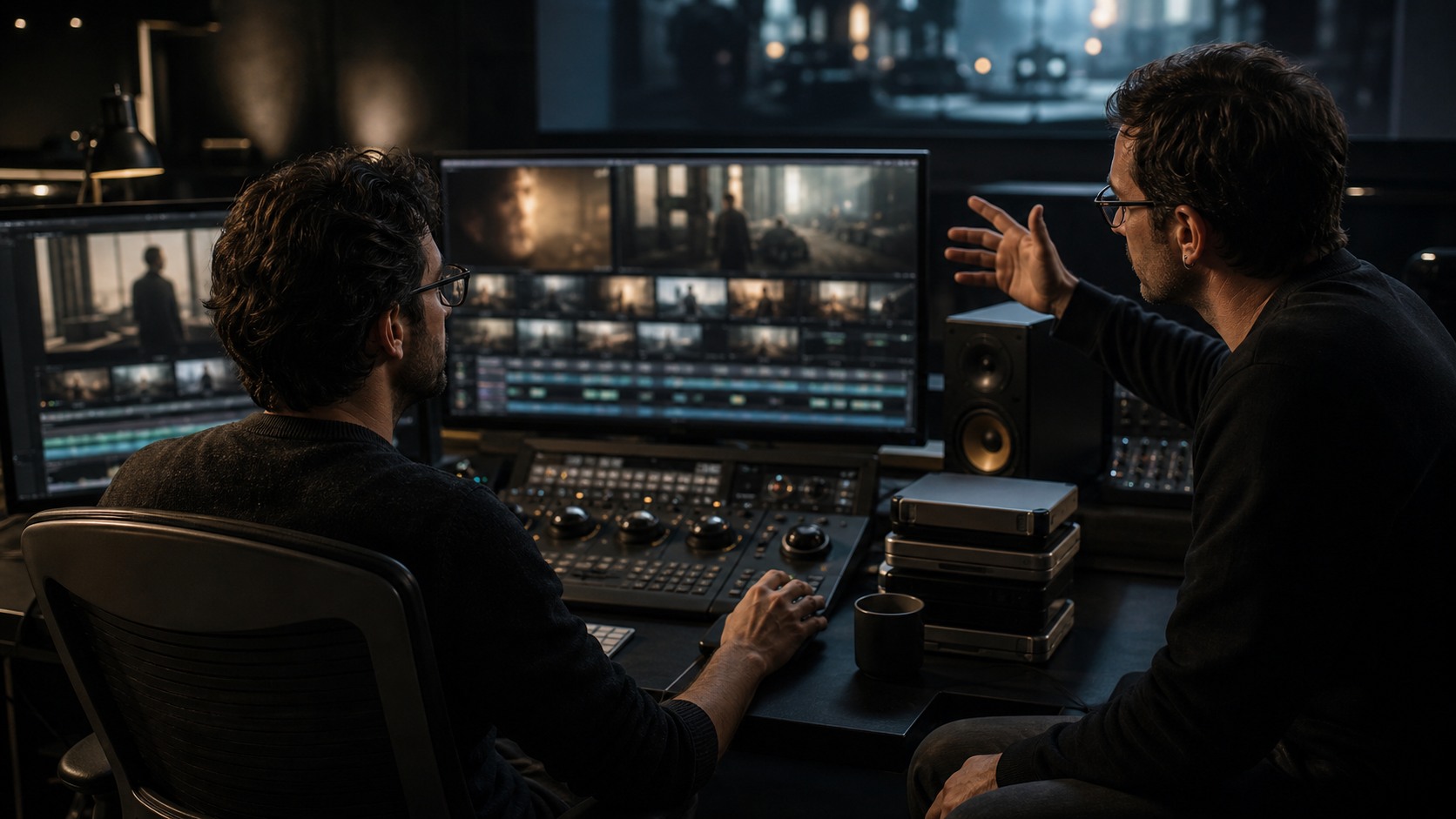
This matters because editing decisions can depend on trust in the image. If a neural background is likely to change, the editor may avoid building a transition around a specific detail. If a synthetic insert is not approved, the cut should not depend on it too heavily. Communication between editorial and VFX becomes even more important.
Editors also help judge whether neural work supports rhythm. A shot can be technically impressive but too distracting in the cut. A repaired frame can look clean but feel emotionally wrong. The editor sees how the image behaves in sequence, where the audience does not pause to admire the technology.
Neural rendering may also change temp workflows. Teams can test visual ideas earlier, but they must label temp material clearly. A realistic temporary image can create false confidence if producers or clients mistake it for a finished shot. The editor can help by keeping versions organized and context visible.
The future editor will likely be part storyteller, part workflow interpreter. They will not need to build every neural pass, but they will need to know what kind of image is on the timeline, how reliable it is, and what decisions should wait for final approval.
The Practical Future Is Hybrid
The practical future of neural rendering is hybrid because post-production needs both speed and control. A neural system may create a quick reconstruction, while an artist fixes the edge detail. It may generate a background extension, while a compositor integrates it into the plate. It may help restore damaged footage, while a restoration artist protects the original character of the image.
This hybrid future also changes planning. Productions may need to decide earlier which shots are candidates for neural assistance and which require traditional work from the beginning. That decision affects budget, schedule, review time, and vendor assignments. Neural rendering is not only a tool choice; it is a pipeline choice.
The best teams will develop shot categories. Some shots are exploratory. Some are technical cleanup. Some are performance-sensitive. Some are final delivery risks. Each category needs different approvals. A single policy for every neural output will not be enough.
Hybrid workflows will also create new communication needs. Editors, VFX supervisors, colorists, producers, and directors should understand what kind of neural work has been applied. A beautiful image without context can create bad assumptions. A labeled image with clear review status can move safely through the pipeline.
The future of editing and post will be shaped by teams that know when to trust the fast pass and when to slow down. Neural rendering can make post more powerful, but power without review is not a workflow.
The best future is not a race to remove artists from the process. It is a better relationship between fast synthesis and careful finishing. Neural rendering can expand the palette of post-production, but the finished shot still needs human eyes, human standards, and a human reason to exist.