Post-Production Automation Is Moving Beyond Simple Cleanup
AI is automating post-production in ways that go beyond simple shortcuts. Traditional workflows rely on artists, editors, colorists, and technicians using specialized tools to cut, composite, track, clean, render, and finish images. Neural rendering introduces machine-learning systems that can synthesize, reconstruct, enhance, or transform visual material based on learned patterns. The two approaches are not enemies. In many productions, they will overlap. The important question is which workflow gives the team more control, better quality, and a result that still serves the film.
What Traditional Post Workflows Do Well
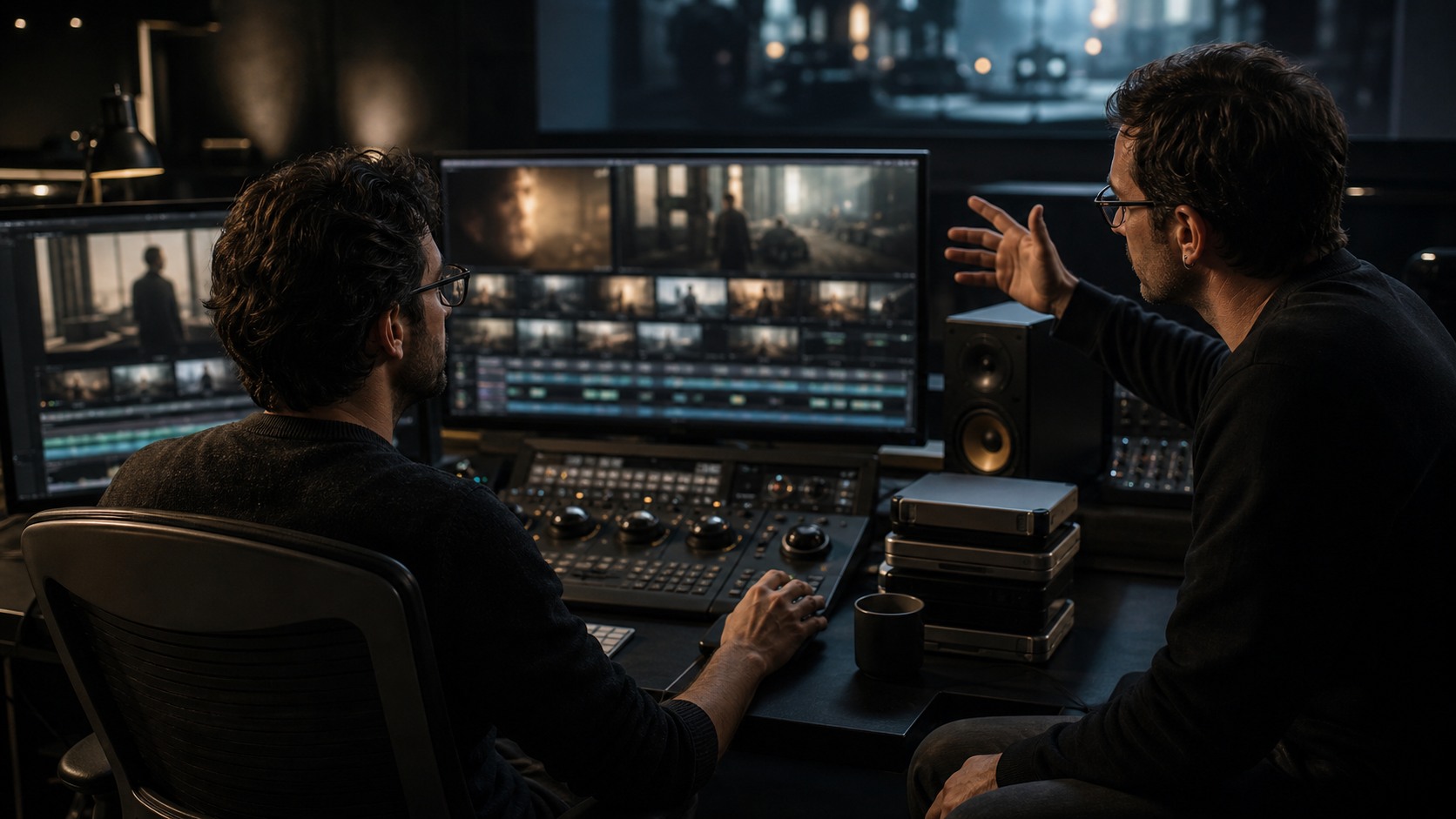
Traditional post-production workflows are built around control. Editors shape rhythm. Visual effects artists track, composite, roto, paint, and simulate. Colorists guide the final look. Sound teams build the listening experience. Each craft has tools, review stages, and standards that make the work reliable.
This reliability matters because films are full of details. A traditional artist can make a specific adjustment because the director wants one edge softer, one reflection removed, or one shot held longer. The process may be slower, but it is explainable and precise.
Traditional workflows also fit established pipelines. Studios know how to assign shots, review versions, manage vendors, archive files, and approve delivery. That structure is valuable when a project has legal, creative, and technical stakes.
What Neural Rendering Adds
Neural rendering uses machine learning to create or modify visual material. It can help reconstruct views, synthesize frames, relight scenes, enhance resolution, generate textures, or support digital humans and environments. Instead of manually building every element, the system learns patterns and predicts new visual output.
This can speed tasks that are difficult or repetitive. A neural tool might help create intermediate frames, restore damaged imagery, extend a scene, or generate a plausible view from limited data. These capabilities are exciting because they can reduce some manual labor and open new creative possibilities.
The challenge is control. Neural outputs can be convincing but hard to direct precisely. A traditional artist may know exactly which layer changed. A neural process may produce a result that looks good while hiding why it works or where it may fail.
Where Automation Helps Most
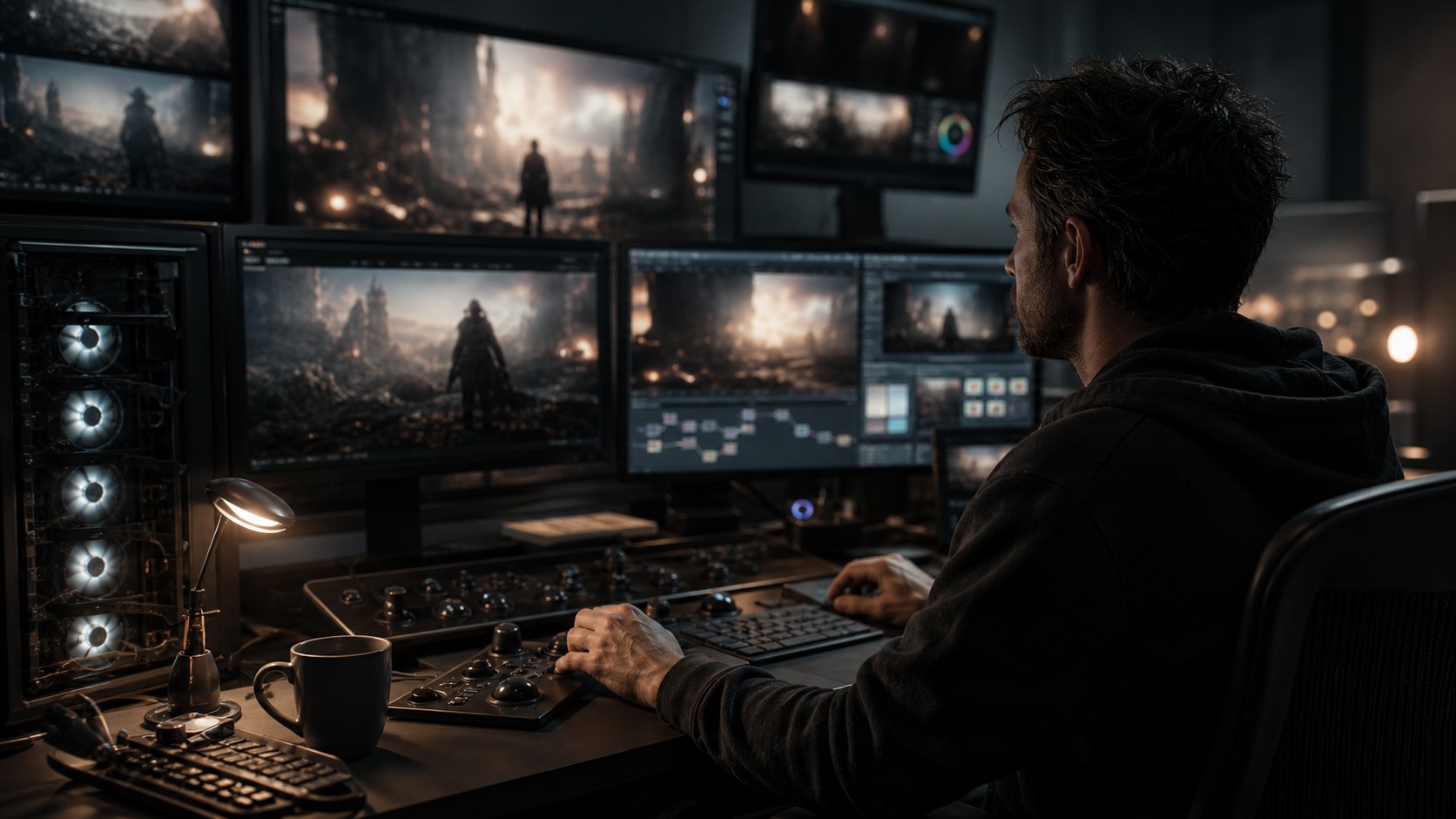
AI automation is useful when it reduces repetitive effort without weakening review. Rotoscoping, object isolation, denoising, upscaling, stabilization, shot matching, and cleanup are common examples. These tasks still need eyes on the result, but machine learning can create a faster starting point.
Neural rendering can also help with previs, virtual production, background extension, or synthetic inserts when used carefully. It may allow teams to test ideas before committing to expensive builds. It can also support restoration, where old or damaged material needs careful enhancement.
The best use cases are specific. A tool should solve a defined problem, not simply make the image look more processed. Automation earns its place when artists can explain what improved and what still needs human adjustment.
Where Neural Workflows Need Caution
Neural rendering can introduce artifacts, identity drift, temporal flicker, texture errors, or visual details that look plausible but wrong. A single frame may look strong while motion reveals instability. This is why post teams must review AI outputs in context, not only as still images.
Rights and consent also matter. Synthetic faces, voices, bodies, environments, and style references can raise legal and ethical questions. A workflow that is technically impressive can still be unusable if the production cannot explain or approve the source and use of the material.
Another caution is aesthetic sameness. Neural tools often produce polished results that can feel generic if artists do not guide them. The film's visual identity should lead the tool, not the other way around.
How Traditional and Neural Methods Can Work Together
The most realistic future is hybrid. A neural tool may create a first pass, and a traditional artist may refine it. AI may speed roto, while compositors control integration. Neural upscaling may prepare material, while colorists and finishing artists judge the final image. The workflows can support each other.
Hybrid workflows require clear handoffs. Which output is a draft. Which layer is editable. Which shot needs artist cleanup. Which change affects performance, likeness, or story information. Without clear handoffs, automation can create confusion instead of speed.
The goal is not to prove one workflow superior in every case. The goal is to choose the method that gives the best balance of speed, control, quality, and accountability for the shot.
What This Means for Editors and Artists
Editors and artists may spend less time on some repetitive tasks and more time supervising, refining, and judging machine-assisted outputs. This changes the skill mix. Knowing how to evaluate an AI pass becomes as important as knowing how to run the tool.
Artists still need craft knowledge because craft is how errors are spotted. A person who understands light, motion, anatomy, continuity, and composition can see when a neural result is wrong. Without that knowledge, the production may accept a polished mistake.
The strongest post teams will use AI to accelerate drafts while protecting final authorship. Automation should make skilled people more effective, not invisible.
Choosing the Right Workflow
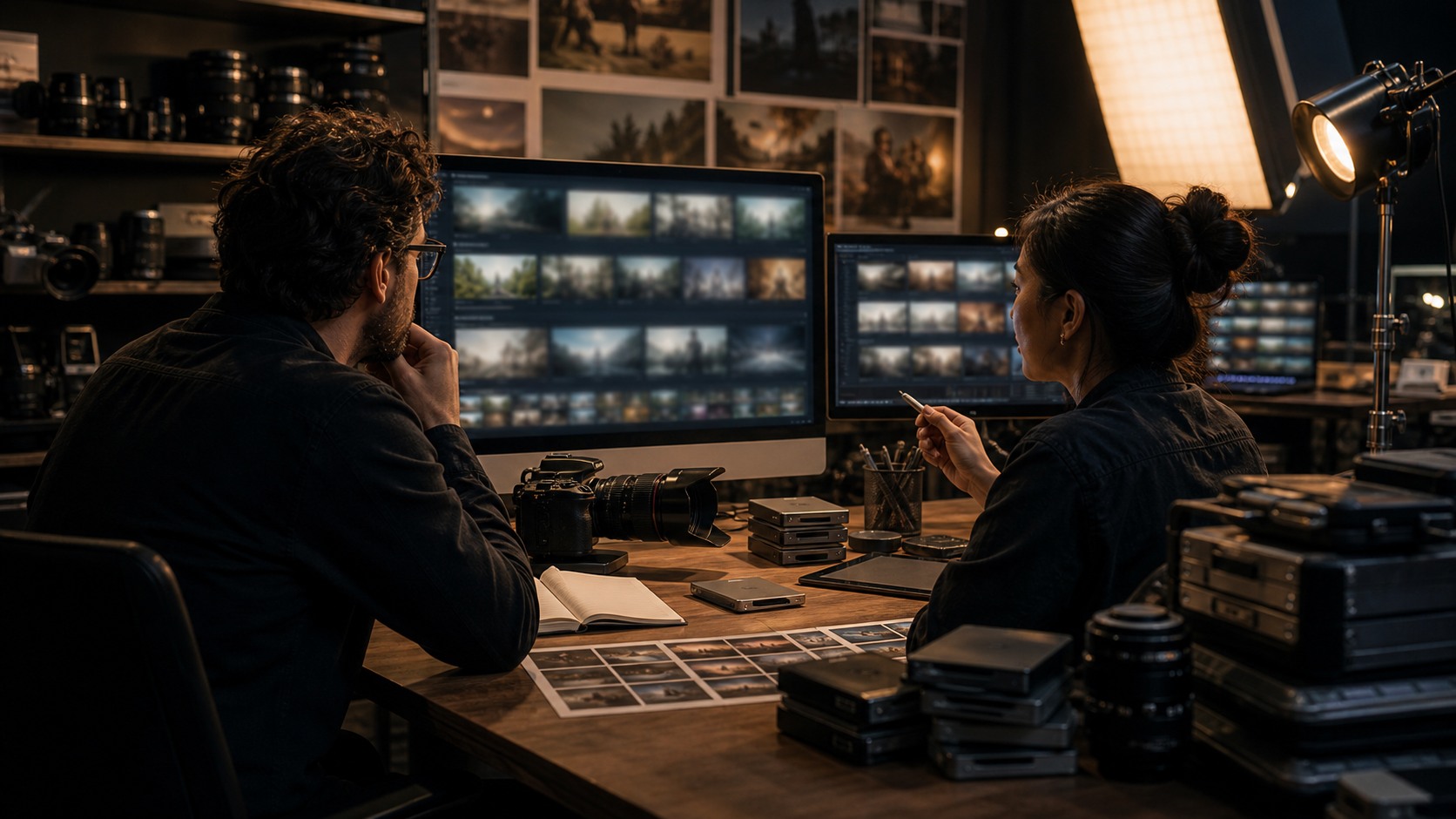
A production should choose traditional, neural, or hybrid methods based on the shot's needs. If a shot demands exact control, traditional techniques may be safer. If a shot involves large repetitive cleanup, AI assistance may save time. If a concept needs rapid exploration, neural rendering may help the team compare possibilities.
The decision should include review time. A fast neural pass that requires days of correction may not be faster. A traditional method that is slower but predictable may be better for a high-stakes shot. Cost is not only tool time; it is also supervision, revision, approval, and risk.
AI is automating parts of post-production, but it is not removing the need for post-production thinking. The image still has to be checked, shaped, and approved. Whether the workflow is traditional or neural, the final question is the same: does the shot serve the film.
How Teams Decide Which Method to Trust
Trust in post-production is earned shot by shot. A traditional workflow may be slower, but the team understands its controls. A neural workflow may be faster, but the team needs to test whether the result holds up in motion, matches surrounding shots, and can be revised when notes arrive. The right choice depends on the shot's purpose, deadline, budget, and risk.
A low-risk cleanup task may be a good place for AI assistance. Removing a small distraction or creating a first roto pass can save time if the result is easy to review. A high-risk performance shot may require more caution. If the tool changes a face, expression, body, or timing, the production needs stronger approval and consent practices.
Teams should also consider how many revisions a shot is likely to need. Traditional methods may be better when notes are specific and repeated. Neural methods may be better when the team needs rapid exploration or when manual work would be extremely repetitive. Hybrid workflows often emerge because each method solves a different part of the problem.
The review environment matters. A neural result should be checked at delivery resolution, in motion, and beside neighboring shots. Many errors are invisible in a single preview frame. Flicker, edge instability, texture crawl, or identity drift can appear only when the shot plays. A reliable workflow makes time for that review.
Artists remain essential because they understand what the tool cannot evaluate. They can see when light does not match, when a face feels slightly wrong, when motion lacks weight, or when a synthetic background steals attention. Their craft turns machine output into finished post-production work.
The future is likely not a clean break between neural and traditional methods. It is a practical sorting process. Use AI where it creates a strong, reviewable starting point. Use traditional craft where control, taste, and accountability matter most. Most serious projects will need both.
Why Control Is the Deciding Factor
Control is the deciding factor because post-production is full of exact notes. A director may want a face held in shadow but not lost. A supervisor may need an object removed without changing the actor's outline. A colorist may need one shot to match the scene while preserving a deliberate emotional shift. Traditional tools are strong because they let artists target specific changes.
Neural workflows are powerful when they create a useful result quickly, but they can become frustrating when the team cannot steer them precisely. If a note requires the same correction over many versions, a black-box output can slow the process. The speed of generation has to be balanced against the speed of revision.
This is why hybrid workflows are likely to dominate serious post work. AI can create a first pass, and artists can regain control through traditional tools. A roto pass can start with machine assistance. A background can be synthesized and then composited carefully. An enhanced shot can still be graded by a colorist who understands the scene.
The production should decide in advance which shots can tolerate experimentation and which shots need predictable control. A temp background may be a good neural test. A close-up involving a lead actor's performance may need stricter oversight. The method should match the stakes.
Ultimately, neural rendering and traditional post-production are both judged by the finished shot. If the shot serves the film, holds up technically, and can be approved responsibly, the workflow worked. If it creates uncertainty, artifacts, or ethical problems, speed does not matter.
That mindset also protects artists. It treats neural rendering as another tool in the post-production room, not as a verdict on traditional craft. The strongest results will come from teams that know how to combine speed, supervision, and taste.
As automation grows, that combination will matter more. The winning workflow is the one that creates better shots with fewer surprises, clearer approval, and the film's intention still intact.
That is why the comparison should stay practical rather than ideological. The shot, not the trend, should choose the workflow.
Accountable results matter more than novelty.
Especially in finishing.
The audience sees the outcome, not the shortcut.
Ultimately.
A Practical Comparison Mindset
A practical comparison starts with the question the shot needs to answer. Does it need exact continuity. Does it need a fast exploratory pass. Does it involve a face, a brand, a stunt, a creature, or a background extension. The more sensitive the shot, the more the team should value control, documentation, and approval.
Traditional workflows often win when the note is specific and the shot is high stakes. Neural workflows can win when the problem is repetitive, exploratory, or difficult to approach manually. Hybrid workflows win when a machine pass can save time and an artist can still refine the result. The decision is practical, not ideological.
The future of post-production automation will be built from these choices. Teams will not ask whether AI should do everything. They will ask where it helps, where it risks quality, and where human craft should take over. That is a more durable way to compare neural rendering with traditional work.