The New Era of Visual Effects
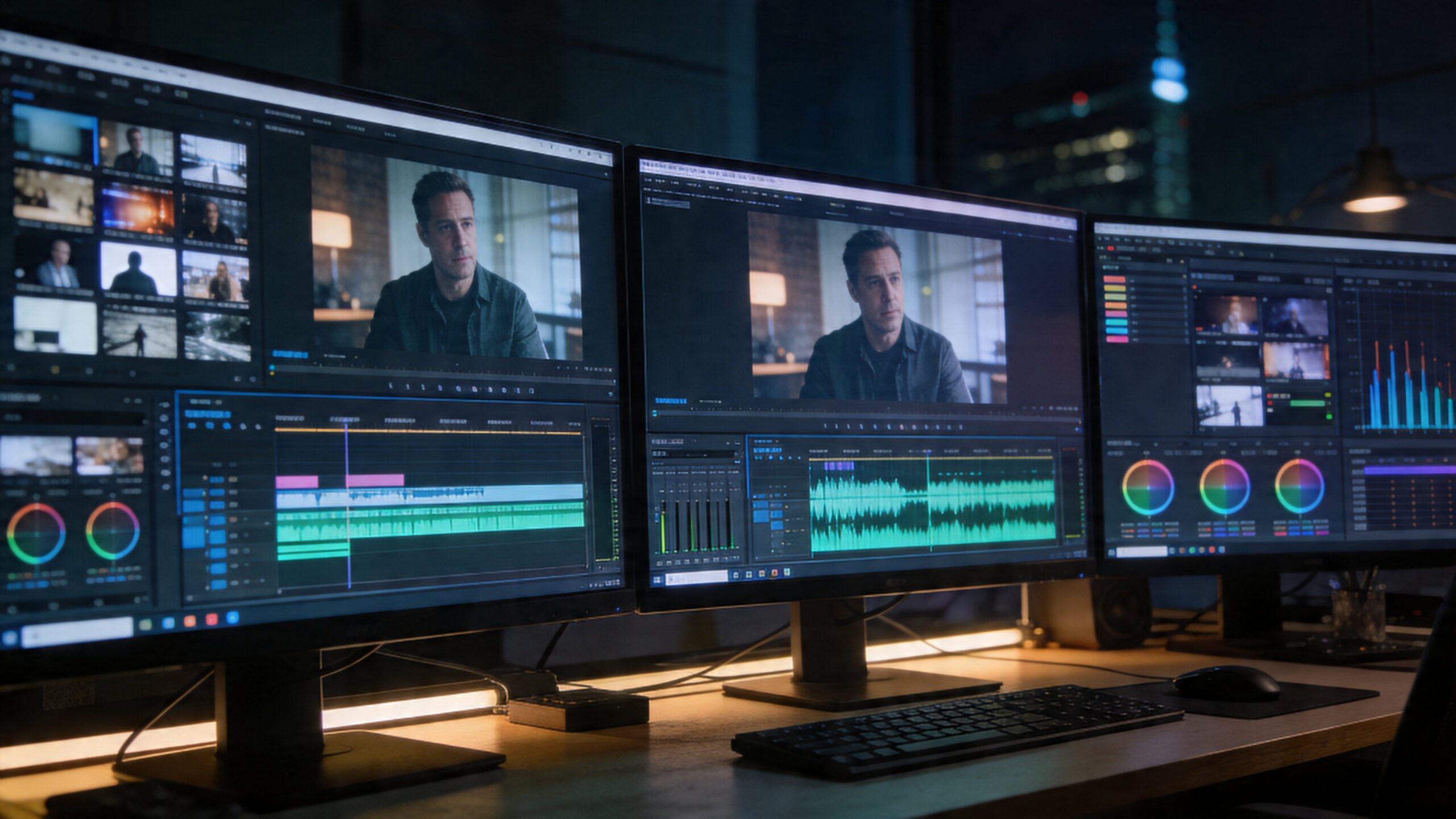
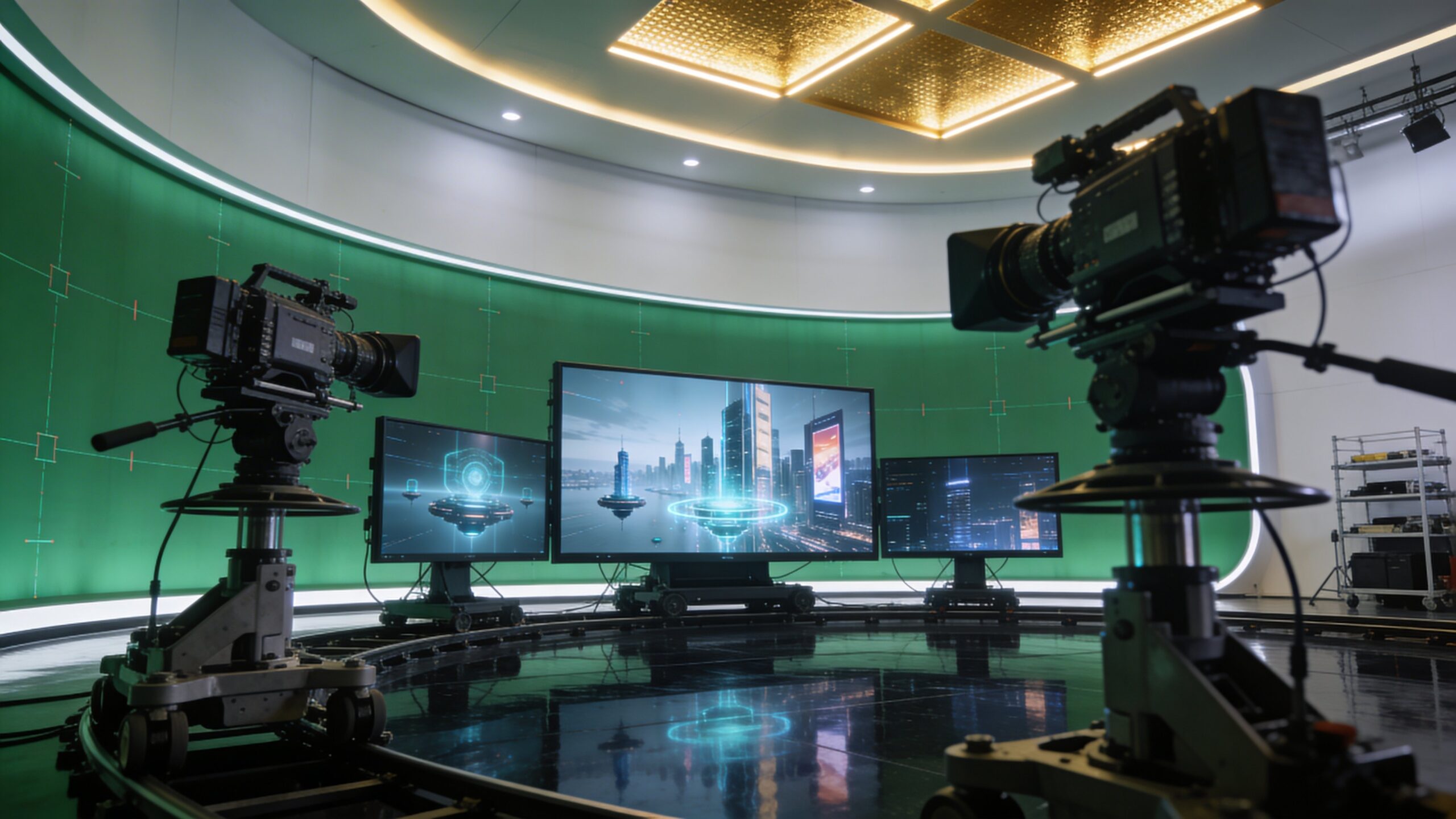
Artificial intelligence is changing visual effects in ways that would have seemed impossible only a few years ago. For decades, VFX was defined by armies of artists working through long production schedules, refining simulations, rotoscoping footage, tracking motion, building digital environments, and polishing shots frame by frame. It was a field driven by imagination, but also by repetition, technical bottlenecks, and intense time pressure. Now, automation is reshaping that process from the ground up. AI is not replacing creativity in visual effects. Instead, it is transforming how creative teams spend their time, where productions invest their resources, and how quickly impossible ideas can move from concept to screen. What makes this shift so powerful is that automation is touching nearly every stage of the VFX pipeline. It can speed up tedious cleanup work, help artists isolate subjects more quickly, predict motion, generate variations, enhance compositing, improve lip sync, upscale assets, and streamline previsualization. Instead of treating visual effects as a separate technical department that joins late in the process, AI is helping integrate VFX thinking into the entire production cycle. That means directors, editors, designers, and effects teams can collaborate faster and iterate more often. In a business where time is expensive and imagination is always racing ahead of budgets, that is a major change.
A: No. It is mainly automating repetitive tasks and shifting artists toward more creative and supervisory work.
A: Rotoscoping, masking, cleanup, tracking, compositing prep, and some previs and facial workflows.
A: No. Speed helps, but final quality still depends on artistic judgment, review, and refinement.
A: Yes. Automation helps lean teams take on more ambitious work with less repetitive labor.
A: Absolutely. Many AI-assisted tools are most valuable in subtle cleanup, fixes, and integration work.
A: Not likely. It can speed previews and setup, but complex simulation still requires skilled artists.
A: Because believable VFX depends on story, taste, continuity, and emotion—not just technical output.
A: Yes. It can support previs, concept development, and earlier creative planning.
A: Yes. Facial analysis, cleanup, and performance transfer are major areas of AI-assisted VFX growth.
A: VFX is becoming faster, more iterative, and more deeply integrated across the whole production process.
Why VFX Was Ready for Automation
Visual effects has always balanced artistry with heavy technical labor. A single shot might involve camera tracking, matte creation, object removal, lighting adjustments, simulation passes, environmental integration, and multiple rounds of review. Some of that work is highly creative, but much of it is repetitive and exacting. Artists have often spent countless hours on tasks that are necessary but not especially expressive. Automation is valuable in VFX because it attacks exactly those friction points. It reduces the time spent on manual processes and allows teams to focus more on design, storytelling, realism, and emotional impact. This matters because modern productions demand more visual effects than ever before. Big-budget films, streaming series, advertising campaigns, music videos, and even social media content increasingly rely on high-quality digital work. Audiences have grown accustomed to seamless effects and no longer think of VFX as something reserved only for superhero movies or fantasy epics. Invisible effects are everywhere, from digital set extensions to subtle face cleanups and environmental enhancements. As demand rises, studios need ways to deliver more shots without sacrificing quality. AI-powered automation is emerging as one of the most practical answers.
Rotoscoping, Masking, and Cleanup Are Changing Fast
One of the clearest examples of AI in VFX is the automation of rotoscoping and masking. Traditionally, isolating a performer or object from a background could be one of the most time-consuming parts of compositing. It required frame-by-frame attention, especially when dealing with hair, motion blur, semi-transparent materials, or changing lighting. AI tools can now analyze footage and generate highly usable masks in a fraction of the time. Artists still refine and supervise the result, but the starting point is dramatically better than it used to be.
Cleanup tasks are evolving in a similar way. Object removal, wire cleanup, paint fixes, and continuity repairs can now be accelerated through machine learning tools trained to understand image structure and motion patterns. Instead of building every fix from scratch, artists can use automation to identify distractions, fill gaps intelligently, and preserve natural textures. This does not eliminate craftsmanship. It changes where craftsmanship happens. Rather than spending hours on repetitive patchwork, artists can devote more attention to the final look and believability of the shot.
Matchmoving and Tracking Are Becoming Smarter
Camera tracking and object tracking are essential to integrating digital elements into live-action footage. If tracking is off, everything else falls apart. AI is making these processes faster and more resilient by helping software interpret depth, motion, and spatial relationships more intelligently. Challenging shots that once required extensive manual intervention can now be solved more quickly, especially when tools combine tracking with scene understanding. This improves efficiency in everything from adding creatures to inserting digital signage or extending environments beyond the original set.
The deeper impact is creative flexibility. When tracking becomes easier and more reliable, filmmakers are more willing to experiment. Shots that might once have been avoided because they were too difficult or expensive to integrate can now become realistic options. That expands the language of visual storytelling. Directors can move the camera more dynamically, editors can test alternate ideas, and VFX supervisors can respond more quickly to changes in the cut. Automation is not just helping teams keep up. It is giving them more room to explore.
AI Is Accelerating Previsualization and Concept Development
Before the final visual effects work begins, productions often rely on previs to map out action, scale, camera movement, and timing. AI is speeding up this stage by helping teams generate rough scene concepts, layout ideas, environmental possibilities, and shot variations more efficiently. That can be especially helpful when directors want to test multiple creative directions without waiting for lengthy manual mockups. Faster previs means faster decision-making, and faster decisions reduce waste later in the pipeline.
This is one of the most exciting aspects of automation in VFX because it touches the earliest phase of imagination. Instead of limiting experimentation to what a team can manually build under deadline, AI can support broader creative exploration. A director can compare several versions of a sequence, art departments can try different moods or scales, and VFX teams can identify technical risks earlier. The result is not just faster work. It is often better planning, clearer communication, and stronger alignment between creative vision and technical execution.
Simulation Workflows Are Getting More Efficient
Visual effects often involve complex simulations for smoke, fire, water, debris, cloth, crowds, and destruction. These effects are computationally expensive and artistically sensitive. Small adjustments can trigger long recalculation times, which slows iteration and limits experimentation. AI is beginning to improve this area by helping predict simulation behavior, accelerate previews, and guide artists toward more efficient parameter choices. While high-end final simulations still depend heavily on traditional physics tools, machine learning can reduce the trial-and-error cycle that has long defined this work.
This matters because simulation work is often where schedule pressure becomes most intense. A director wants a bigger explosion, more natural smoke movement, or water that feels heavier and more cinematic. Artists can absolutely deliver that, but every change costs time. Automation can shorten the path between request and result. It can help teams visualize likely outcomes earlier, test ideas more quickly, and reserve the most expensive computation for the final approved direction. That makes ambitious effects more manageable, especially for productions without massive resources.
Compositing Is Becoming Faster and More Adaptive
Compositing sits at the center of visual effects, combining live-action plates, CGI, matte paintings, atmosphere, color adjustments, and finishing touches into a seamless final image. AI is making compositing more efficient by helping with edge refinement, relighting suggestions, color matching, grain management, depth estimation, and scene-aware adjustments. Tasks that once required careful manual analysis can now begin with intelligent assistance, allowing compositors to move more quickly into the fine-tuning stage. The benefit here is not only speed but consistency. Automated tools can help maintain continuity across shots, identify subtle mismatches, and reduce the risk of visual artifacts slipping through under deadline pressure. In fast-moving productions, even small improvements in consistency can make a huge difference. A sequence feels more cohesive. A digital character sits more naturally in the frame. A set extension blends more invisibly into the background. Compositing remains an art of judgment, taste, and restraint, but automation is making the technical groundwork less burdensome.
Digital Humans and Performance Work Are Advancing
Few areas of VFX attract as much attention as digital faces, de-aging, facial replacement, and performance enhancement. AI has significantly expanded what is possible in this space. Facial tracking, expression mapping, and cleanup workflows are becoming more precise. Artists can preserve more nuance from an actor’s performance while reducing technical friction in the transfer to digital characters or altered versions of live-action footage. This opens new possibilities for storytelling, whether the goal is subtle age adjustment, creature performance, or a fully synthetic face.
At the same time, this area raises important creative and ethical questions. The more capable automation becomes, the more important oversight becomes as well. Performance is not just data. It is emotion, timing, intention, and identity. VFX teams must decide not only what can be done, but what should be done to preserve authenticity and respect artistic boundaries. That is why human supervision remains essential. AI can assist with facial detail, motion cleanup, and performance transfer, but the final result still depends on artists, directors, and performers making careful choices together.
Smaller Studios Now Have Bigger Possibilities
One of the most important effects of AI automation in VFX is democratization. High-end effects work was once concentrated among studios with the deepest budgets, the largest technical pipelines, and the biggest teams. Today, smaller houses and independent creators have access to tools that dramatically reduce the labor required for certain tasks. Automated masking, smarter tracking, AI-assisted cleanup, and rapid concept generation allow leaner teams to attempt work that might once have been out of reach. This does not mean every project suddenly looks like a blockbuster. It means the creative gap is narrowing. Independent filmmakers can enhance production value more strategically. Boutique agencies can pitch more ambitious ideas. Streaming content teams can move faster with fewer resources. The rise of AI in visual effects is not just about efficiency for the largest studios. It is also about opening new doors for storytellers who have strong ideas but limited time, staffing, or funding.
The Role of the VFX Artist Is Evolving
Whenever automation enters a creative industry, the biggest question is whether artists will be pushed aside. In visual effects, the more realistic answer is that the role of the artist is changing rather than disappearing. As tedious manual work becomes more automated, the value of human judgment increases. Artists are needed to direct the process, interpret creative goals, refine outputs, maintain visual continuity, solve unusual problems, and protect the emotional intent of the scene. AI can generate options, but it cannot fully understand story rhythm, character motivation, or cinematic tone in the way experienced artists do.
In many ways, automation is pushing VFX artists toward more supervisory, design-oriented, and decision-making roles. They become curators of possibility rather than operators trapped in repetitive labor. That shift may require new skills, including prompt design, tool orchestration, pipeline awareness, and stronger interdisciplinary collaboration. But it also creates room for a more creatively focused profession. The artist of the future may spend less time drawing masks and more time shaping the visual language of the project.
Speed Matters, but Quality Still Wins
One of the risks of automation in VFX is the temptation to confuse speed with quality. Just because a process can be accelerated does not mean the result is automatically cinematic. Audiences notice when effects feel rushed, generic, weightless, or emotionally disconnected from the scene. The best use of AI is not to flood productions with more effects for less money. It is to protect quality by removing waste and freeing artists to focus on what truly matters.
That distinction will shape which studios thrive in the coming years. Teams that treat automation as a shortcut to lower standards may create faster workflows, but not better images. Teams that use automation strategically can build smarter pipelines, create more time for artistic review, and deliver effects that feel both ambitious and polished. In that sense, AI is not the end of visual effects craftsmanship. It may actually become one of the best tools for preserving it under modern production pressures.
The Future of AI in Visual Effects
Looking ahead, AI will likely become even more embedded in the VFX process. We will see better scene understanding, more responsive simulation previews, improved asset generation, stronger integration with editing workflows, and increasingly intelligent tools for look development and finishing. The boundaries between departments may blur as automation allows faster movement between concept art, previs, production, post-production, and final delivery. VFX will become more fluid, more iterative, and more connected to the full lifecycle of content creation.
But the future will not belong to automation alone. It will belong to teams that know how to combine technological speed with artistic clarity. Visual effects has always been about making the impossible feel real. AI changes how that work gets done, but not why it matters. The audience still wants wonder, coherence, emotion, and spectacle. Automation can help deliver those qualities more efficiently, but human imagination is still the force that gives them meaning.
Final Thoughts on Automation and VFX
AI and visual effects are becoming deeply intertwined, and that relationship is redefining what modern production looks like. Automation is reducing bottlenecks, accelerating workflows, and opening new creative possibilities across rotoscoping, tracking, compositing, simulation, previs, and performance work. It is helping large studios scale and giving smaller creators access to tools that were once out of reach. Most importantly, it is changing where artists focus their energy, moving them away from repetitive labor and toward higher-level creative choices. That is why the rise of AI in VFX should be seen less as a replacement story and more as a transformation story. The industry is not losing its artists. It is giving them new leverage. The real opportunity is not simply to do visual effects faster. It is to build a future where effects work is more flexible, more imaginative, and more responsive to story. In a medium built on illusion, that may be the most powerful shift of all.