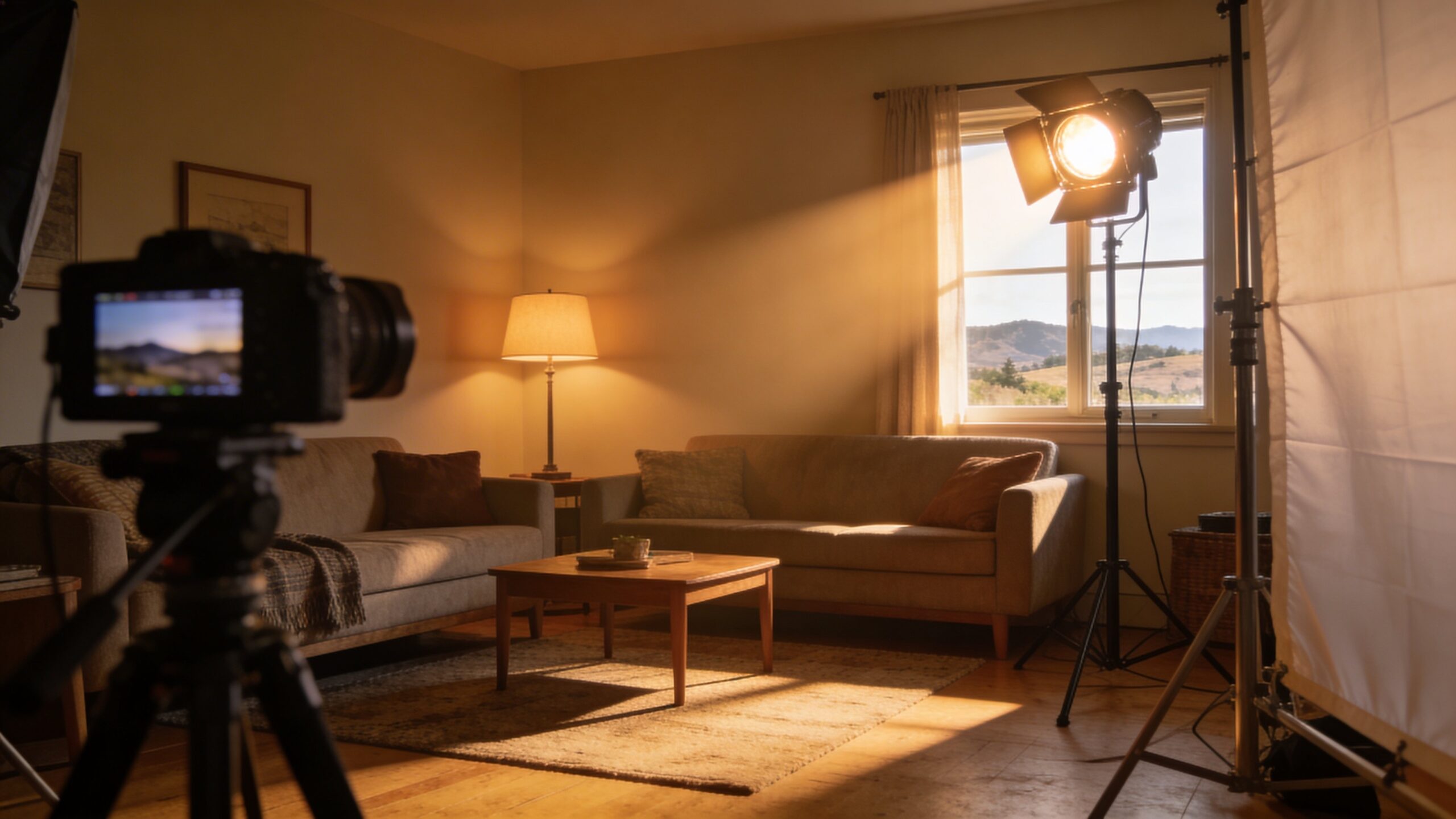
Artificial intelligence is no longer hovering at the edges of filmmaking as a futuristic curiosity. It has moved directly into the creative core of the industry, reshaping how films are written, shot, edited, marketed, and even imagined. AI filmmaking is not a single technology or trend but a rapidly expanding ecosystem of tools and techniques that are changing the pace, cost, and possibilities of visual storytelling. From solo creators producing cinematic work on laptops to major studios optimizing massive productions, AI is quietly rewriting the grammar of film creation. This transformation is not about replacing filmmakers or removing creativity from the process. Instead, AI is becoming a powerful collaborator, one that handles complexity, accelerates workflows, and opens doors that were previously locked by budget, time, or technical barriers. Understanding how AI filmmaking works, what tools are driving it forward, and how it is reshaping creative decisions is now essential knowledge for anyone involved in modern media production.
A: No, it enhances creative control and efficiency.
A: Many tools reduce overall production costs.
A: It assists creation but still needs human direction.
A: Independent creators benefit the most.
A: It expands experimentation and iteration.
A: Responsible use and transparency are essential.
A: Yes, from rough cuts to color grading.
A: It shifts roles toward creative oversight.
A: Many tools are designed for non-technical users.
A: It is a core creative partner moving forward.
The Rise of AI in Modern Filmmaking
Filmmaking has always evolved alongside technology. The transition from silent films to sound, black-and-white to color, analog to digital, and physical film to non-linear editing all fundamentally reshaped how stories were told. AI represents the next major shift, but unlike previous transitions, it does not just change tools; it influences decision-making itself.
AI entered filmmaking quietly through automation and data analysis. Early applications focused on recommendation algorithms, box office prediction, and audience analytics rather than creative work. Over time, machine learning models became capable of understanding images, audio, language, and motion. Once these capabilities matured, AI moved directly into pre-production, production, and post-production pipelines.
Today, AI can analyze scripts for pacing and tone, generate storyboards from text descriptions, clean audio automatically, enhance footage resolution, simulate lighting changes, and even generate entirely new video content from prompts. These capabilities are no longer experimental. They are being used daily by independent filmmakers, agencies, YouTubers, and studios seeking efficiency and creative leverage.
Understanding What AI Filmmaking Really Means
AI filmmaking does not refer to one monolithic system making movies on its own. Instead, it describes a collection of specialized AI tools that assist with discrete filmmaking tasks. Each tool focuses on a specific problem, such as transforming text into images, stabilizing video, synthesizing voices, or predicting audience engagement.
At its core, AI filmmaking relies on machine learning models trained on enormous datasets of images, videos, audio recordings, scripts, and human behavior patterns. These models identify relationships within the data and use probability to generate, enhance, or modify creative outputs. The filmmaker remains the director, but AI becomes a tireless assistant capable of executing complex technical work in seconds. This distinction is important because it reframes AI not as an author but as a creative amplifier. The choices, vision, and intent still originate from humans. AI simply expands how quickly and flexibly those ideas can be explored.
AI Tools Transforming Pre-Production
Pre-production is where AI first delivers transformative value. Traditionally, this stage requires extensive time, collaboration, and manual iteration. AI accelerates early exploration, allowing creators to visualize ideas before committing resources.
Script analysis tools powered by AI can evaluate dialogue flow, emotional arcs, pacing, and character consistency. These systems provide feedback that once required multiple human readers, enabling writers to identify structural issues earlier in the process. While they do not replace human judgment, they act as intelligent mirrors reflecting patterns that may otherwise go unnoticed.
Concept art and storyboarding have also been revolutionized. Text-to-image models allow filmmakers to generate visual references for locations, characters, lighting styles, and camera moods from written descriptions. This means directors can experiment visually without hiring an art department at the earliest stages. The result is clearer communication, faster approvals, and stronger creative alignment across teams.
Casting and scheduling are also seeing AI integration. Algorithms can analyze actor availability, budget constraints, and historical performance data to assist in optimizing casting decisions. While final choices remain subjective, AI reduces logistical friction, allowing creative discussions to take center stage.
AI on Set: Enhancing Production Workflows
During production, AI tools operate mostly behind the scenes, optimizing quality and efficiency rather than directing creative choices. One of the most impactful applications is real-time video enhancement. AI-powered cameras and software can stabilize footage, reduce noise, adjust exposure, and even simulate shallow depth of field during or immediately after recording.
Virtual production environments benefit heavily from AI. Background replacement, environment generation, and real-time compositing are increasingly automated. AI assists in tracking camera movement, matching lighting conditions, and blending live actors with digital environments seamlessly. This reduces reliance on green screens and extensive post-production fixes.
Audio capture has also improved dramatically. AI-driven noise reduction tools can isolate dialogue from complex sound environments, eliminating the need for extensive ADR sessions. This capability alone saves countless hours and preserves authentic performances that might otherwise be compromised.
AI does not slow down production by adding complexity. Instead, it compresses workflows, allowing smaller crews to achieve results that once required specialized teams and expensive equipment.
AI-Driven Post-Production and Editing
Post-production is where AI filmmaking currently has the most visible impact. Editing, traditionally a labor-intensive and time-consuming process, has been transformed by intelligent automation.
AI-powered editing tools can analyze footage, identify usable takes, detect emotional beats, and assemble rough cuts based on pacing preferences. Editors can then refine these drafts instead of starting from scratch. This does not remove creative control; it simply accelerates the mechanical aspects of sorting and organizing material.
Color grading and restoration have seen massive improvements through AI. Machine learning models can upscale low-resolution footage, restore damaged film, match color profiles across scenes, and simulate cinematic looks that once required expert colorists. These tools democratize high-end aesthetics, making professional-quality visuals accessible to smaller productions.
Visual effects pipelines also benefit from AI-assisted rotoscoping, object removal, and motion tracking. Tasks that once took days can now be completed in minutes, freeing artists to focus on more imaginative work rather than repetitive labor.
Generative AI and the New Visual Frontier
Perhaps the most disruptive development in AI filmmaking is the rise of generative video models. These systems can produce moving images directly from text descriptions, reference images, or existing footage. This represents a fundamental shift in how visual content can be created.
Tools from companies like Runway and OpenAI enable creators to generate scenes, extend shots, modify environments, and create visual sequences that previously required entire production teams. While these tools are still evolving, their creative potential is already undeniable.
Generative AI does not yet replace traditional cinematography, but it introduces entirely new workflows. Filmmakers can prototype scenes instantly, experiment with styles, and even build hybrid productions that blend live-action footage with AI-generated elements. This expands creative freedom while reducing the cost of experimentation.
AI and Sound Design, Music, and Voice
Sound has always been a powerful storytelling tool, and AI is reshaping how it is created and refined. AI-driven sound design tools can generate ambient soundscapes, effects, and textures tailored to specific scenes. These systems analyze visual cues and emotional tone to produce audio that enhances narrative impact.
Music composition has also entered a new phase. AI-generated scores can adapt dynamically to pacing changes, emotional beats, or audience preferences. Composers increasingly use AI as a sketching tool, generating musical ideas that are later refined and orchestrated by human musicians.
Voice synthesis and dubbing have advanced to the point where AI can produce natural-sounding dialogue in multiple languages while preserving the original actor’s tone and emotional delivery. This has major implications for global distribution, accessibility, and localization without sacrificing performance integrity.
Creative Impact and Shifting Storytelling Possibilities
The creative impact of AI filmmaking extends far beyond efficiency gains. By reducing technical barriers, AI empowers more voices to participate in cinematic storytelling. Independent filmmakers, educators, and experimental artists can now access tools that rival studio-level production capabilities.
This democratization encourages new narrative forms. Short films, interactive experiences, personalized stories, and rapid iteration become viable creative models. Filmmakers can test ideas, gather feedback, and refine projects at unprecedented speed.
AI also invites collaboration between disciplines. Writers, designers, technologists, and filmmakers increasingly work together in fluid roles, blending storytelling with computation. This cross-pollination leads to hybrid art forms that challenge traditional definitions of cinema.
Ethical Considerations and Creative Responsibility
With powerful tools come complex ethical questions. AI filmmaking raises concerns around authorship, originality, consent, and labor displacement. Training datasets, likeness rights, and synthetic performances must be handled with care and transparency.
Responsible filmmakers use AI as an assistive technology rather than a shortcut that undermines creative integrity. Clear crediting, ethical sourcing of data, and respect for human contributors are essential as the industry evolves. AI should enhance storytelling, not erode trust between creators and audiences. The conversation around ethics is not a barrier to innovation. Instead, it is a necessary framework ensuring that technological progress aligns with artistic and cultural values.
The Future of AI in Film Production
Looking ahead, AI filmmaking will continue to mature and integrate more deeply into standard workflows. Real-time generative environments, adaptive narratives, and personalized cinematic experiences are already emerging. As models become more capable and intuitive, the distinction between technical and creative roles will continue to blur.
The most successful filmmakers will not be those who resist AI, nor those who surrender creativity to automation. They will be the ones who understand how to collaborate with intelligent tools while maintaining a strong artistic voice. AI is not the end of filmmaking as we know it. It is the beginning of a more flexible, inclusive, and imaginative cinematic era.
Conclusion: A New Creative Partner, Not a Replacement
AI filmmaking represents one of the most profound shifts in the history of visual storytelling. It accelerates production, expands creative possibilities, and lowers barriers to entry while preserving the core human impulse to tell meaningful stories. Rather than replacing filmmakers, AI challenges them to think differently, work smarter, and explore ideas that once seemed unreachable. As tools evolve and techniques mature, AI will become as fundamental to filmmaking as digital cameras and editing software are today. Those who learn to harness its potential will shape the next generation of cinema, not by surrendering creativity, but by amplifying it.