AI Saves Indie Budgets When It Reduces Uncertainty, Not When It Adds Hype
Indie filmmakers use AI to reduce production costs by planning more clearly, testing ideas earlier, creating references faster, simplifying scripts, organizing schedules, and avoiding expensive surprises. AI can help a small team see what a scene might require before money is spent. It can support shot lists, storyboards, concept art, script breakdowns, location planning, marketing drafts, and post-production decisions. But AI does not make filmmaking free. Cameras, sound, crew, actors, locations, insurance, food, transport, permits, editing, color, and finishing still matter. The real savings come when AI helps filmmakers make better choices sooner.
Start With the Script
The cheapest production decision is often made in the script. AI can help indie filmmakers identify expensive scenes, too many locations, crowd requirements, night exteriors, stunts, vehicles, weather, props, and effects before the shoot is planned.
This does not mean stripping the film of ambition. It means knowing which expensive choices are essential and which are accidental. A script may become stronger when a scene moves from a busy street to a kitchen where the conflict is sharper. AI can help find those opportunities.
Budget-Aware Rewriting
AI can support budget-aware rewrites by suggesting lower-cost ways to achieve the same story beat. A car chase might become a tense parking-lot exchange. A large party might become the aftermath in a messy room. A visual effect might become a sound cue and a reaction.
The filmmaker should judge whether the cheaper version preserves the emotion. Cost reduction is useful only when the scene still works. The goal is not to make everything small. The goal is to spend money where the audience feels it.
Previs Before Spending
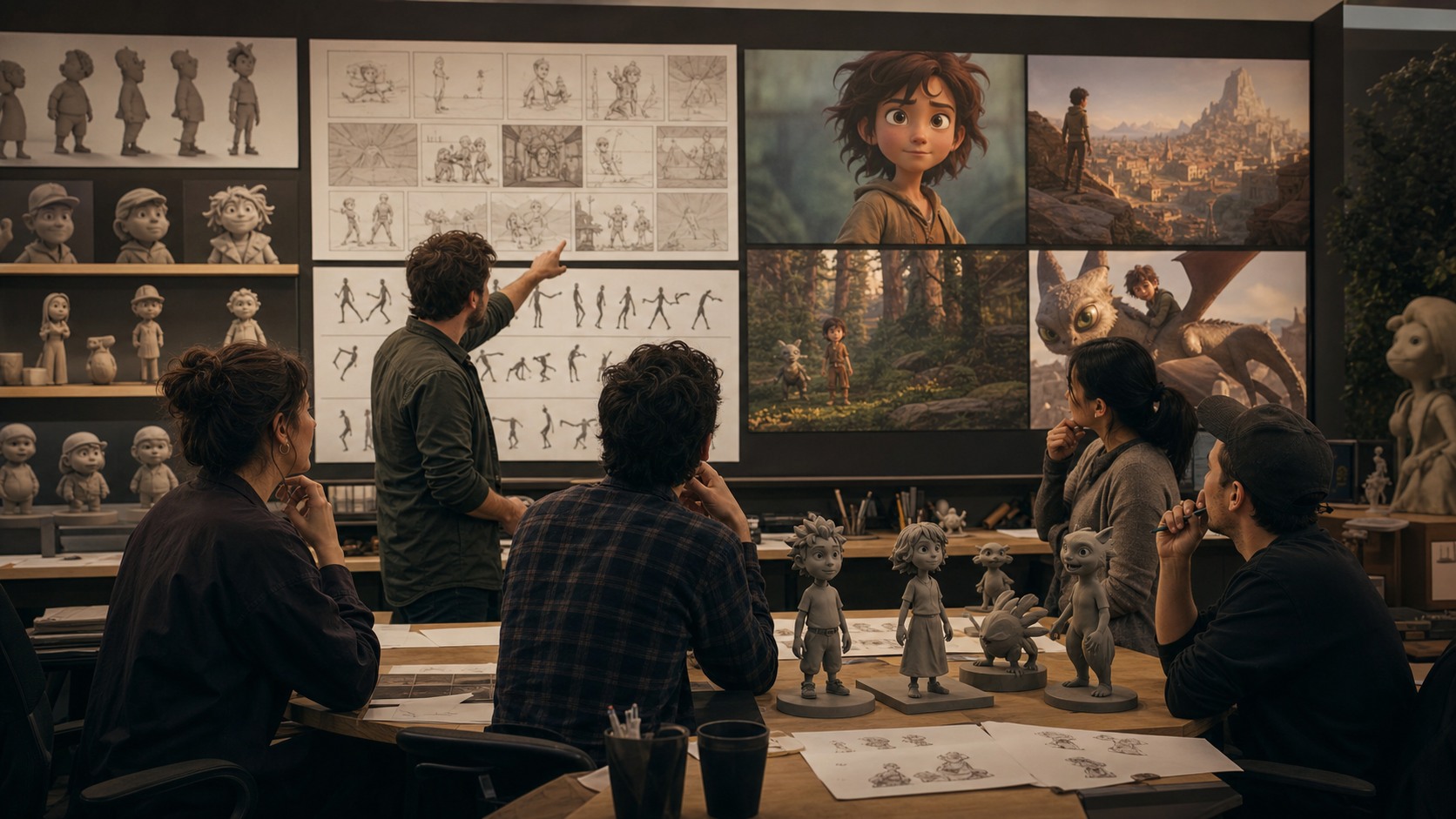
Previs and rough visual planning can save indie productions money by revealing problems early. AI can help create shot references, location ideas, blocking options, and mood frames before the crew arrives.
A small team can use these references to decide whether a shot needs special gear, whether a location supports the blocking, or whether an ambitious setup can be simplified. Discovering that during prep is much cheaper than discovering it on set.
Shot Lists and Scheduling
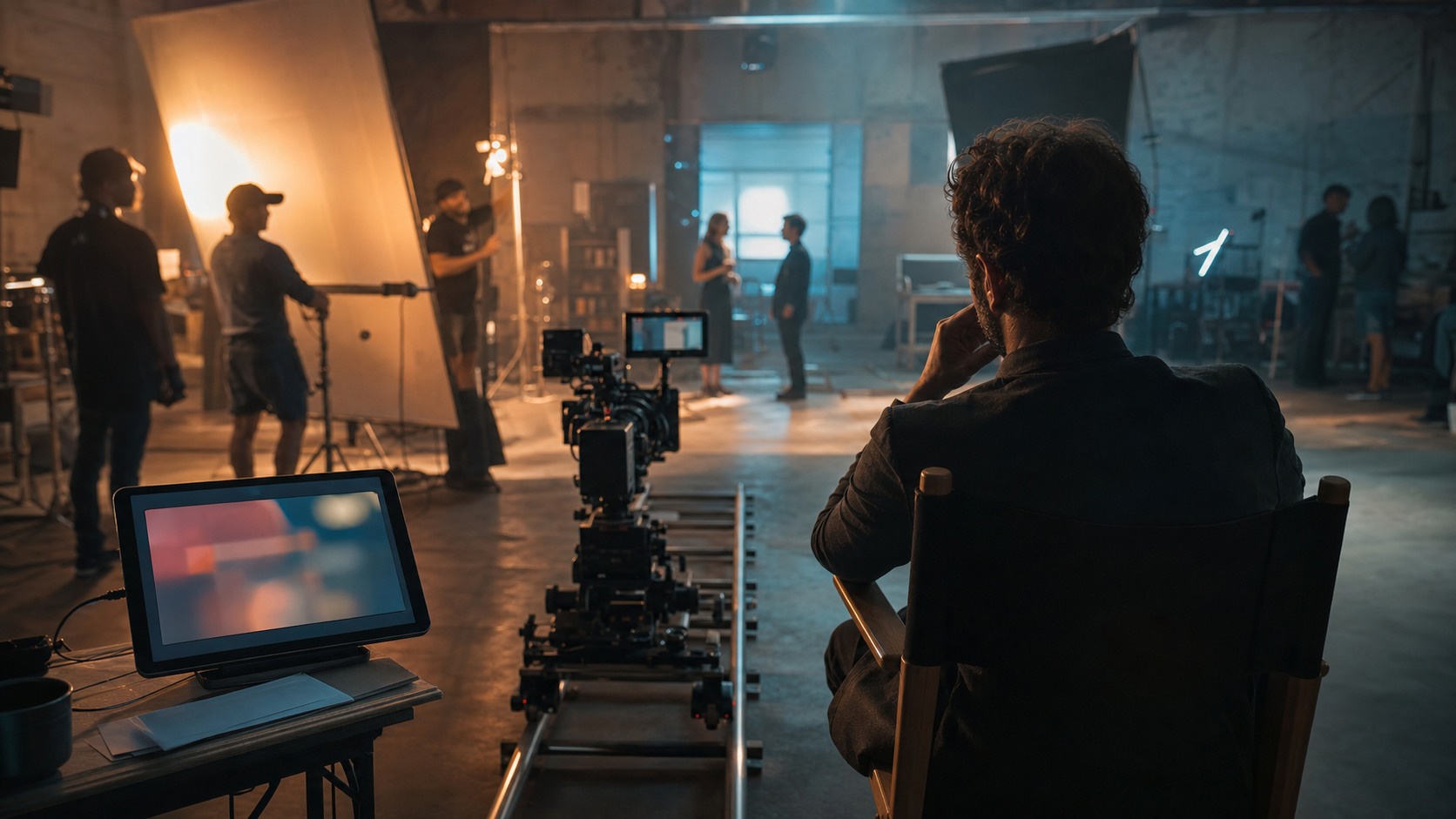
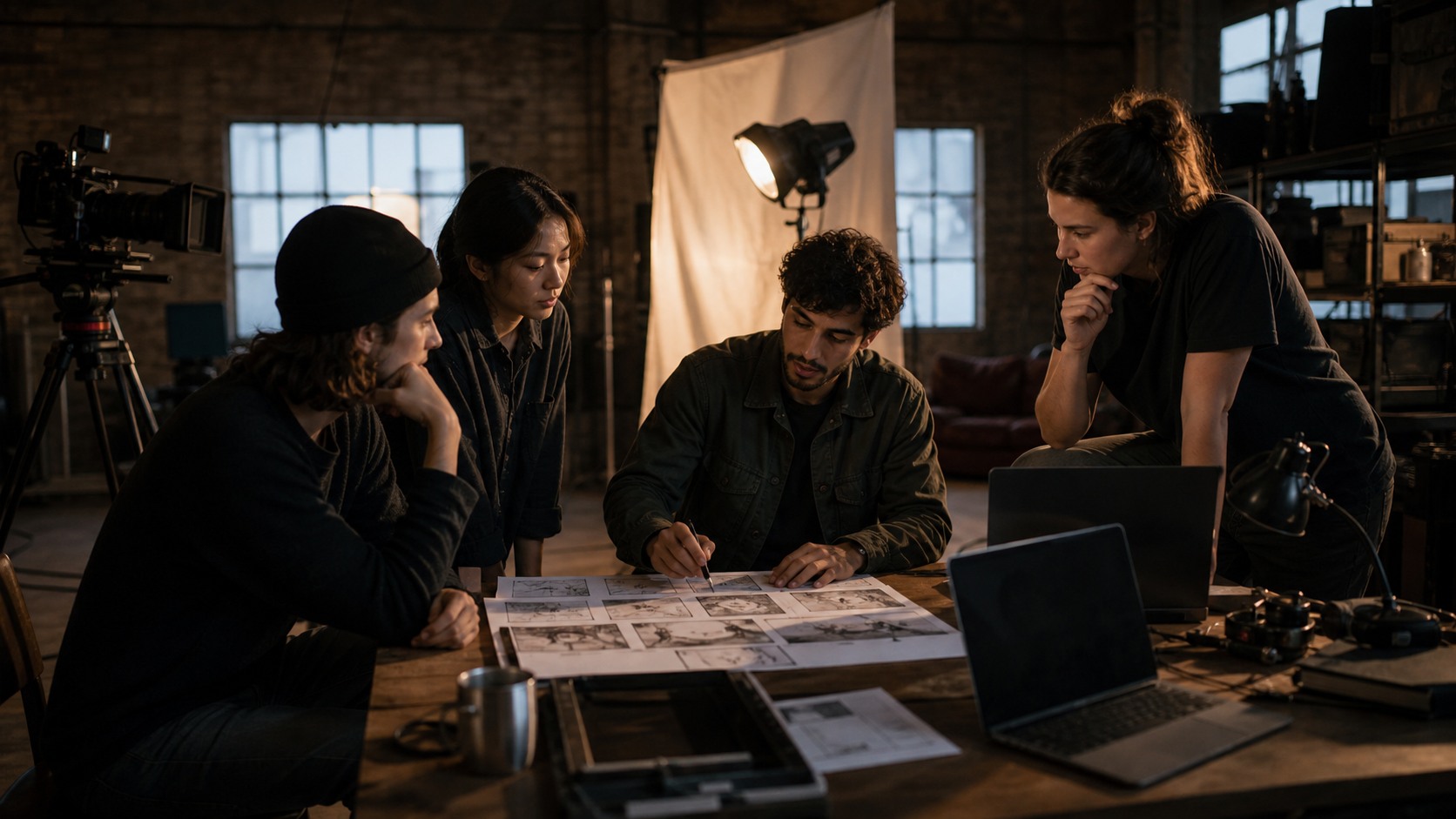
AI-generated shot lists can help directors and assistant directors organize coverage, but indie teams should review every shot for necessity. Extra setups cost time, and time is often the tightest indie resource.
Scheduling support can also help. AI can group scenes by location, actors, time of day, props, and company moves. The final schedule still needs human production judgment, but a better first pass can make planning less chaotic.
Location Planning
Locations can make or break a low-budget film. AI can help compare what a scene needs from a location: windows, entrances, sound control, power, parking, texture, privacy, and emotional tone.
This helps filmmakers scout with purpose. Instead of falling in love with a pretty location that creates sound or lighting problems, the team can evaluate whether the space actually supports the scene. Good location choices save money during shooting and post.
Concept Art and Pitch Materials
Indie filmmakers often need to communicate vision before they can afford full design work. AI-generated references can help create early pitch materials, mood boards, and visual direction for investors, crew, or collaborators.
These references should be labeled clearly as development images. They can attract support and align the team, but they should not promise assets the production cannot deliver. A modest, honest pitch is usually stronger than a glossy fantasy version of a film the budget cannot make.
Production Design Choices
AI can help indie production designers test prop ideas, color palettes, set dressing, and visual motifs before purchasing or building anything. It can reveal which details matter most to the world of the film.
The savings come from focus. Instead of buying many random props, the team can choose a few items that communicate character, class, history, or mood. A small number of precise design choices often feels richer than a larger pile of generic dressing.
Post-Production Planning
AI can reduce costs in post when it helps filmmakers plan what they need before they shoot. If a scene will require cleanup, subtitles, sound design, VFX, or color matching, the team can capture better material on set.
It can also help organize edit notes, summarize footage needs, draft temp music ideas, or identify continuity questions. The editor still makes the film. AI can make some supporting tasks faster and keep the team aware of problems.
Sound Is Not Optional
Indie filmmakers sometimes focus on visual AI tools and forget sound. Bad production sound can ruin a low-budget film and create expensive post fixes. AI can help create checklists for location sound risks, but it cannot replace a good sound recordist.
Cost reduction should protect sound, not sacrifice it. A cheaper location with uncontrollable noise may become more expensive than a slightly pricier quiet space. AI planning can help teams notice that before the shoot.
Avoiding Scope Creep
AI can accidentally increase costs by making ambitious images and ideas feel easy. A director may start with a contained drama and suddenly imagine crowds, virtual sets, creatures, and complex effects because the references look exciting.
Indie teams need scope discipline. Use AI to test ambition, then decide what the production can actually finish. A smaller film with controlled execution is usually more valuable than a larger film that collapses under unfinished ideas.
Crew Time and Communication
Clear references and breakdowns can save crew time. If departments understand the intended look, shot priority, and schedule pressure before they arrive, they can prepare better and solve fewer problems under panic.
AI can help create drafts of breakdowns, visual references, and meeting notes. The filmmaker should still review everything carefully. Incorrect automated notes can create confusion, so clarity matters more than speed.
Pre-Production Is Where Savings Compound
The biggest AI savings often appear in pre-production because early decisions affect every later department. A better script breakdown can reduce location days. A clearer shot list can reduce overtime. A stronger reference board can prevent wasted art direction. A realistic post plan can prevent missing plates or sound problems.
Indie filmmakers should treat AI as a prep multiplier. It can help create first-pass documents quickly, but those documents need human review from the people who will live with the consequences. A director, producer, cinematographer, sound recordist, and editor will each see different cost risks.
Marketing Without Overspending
AI can help indie teams draft festival summaries, social posts, pitch copy, audience descriptions, and press-kit language. This can reduce time spent on blank-page marketing tasks after the production is exhausted.
The material still needs honesty. Marketing should not promise a larger film than the team made or use visuals that misrepresent the finished work. AI can make communication faster, but credibility matters. A precise, truthful campaign is more useful than inflated language.
When AI Costs More
AI can cost more when it encourages constant changes. A team may keep generating new looks, new scenes, or new effects until the project loses focus. Every late change can create new prep, new approvals, and new post work.
The solution is to set decision deadlines. Use AI for exploration during defined windows, then lock choices. Indie filmmaking depends on momentum. The tool should help the team move toward production, not keep them in endless development.
Protecting Relationships
Low-budget filmmaking depends on trust. Crew members, actors, locations, composers, editors, and designers often contribute because they believe in the project. AI should be used in a way that respects those relationships.
Be clear when AI is assisting a document or reference. Do not use it to obscure people's work or replace promised collaboration. Cost reduction is not only financial. A respectful workflow preserves the goodwill that makes indie production possible.
Deciding What Not to Spend On
AI can help indie filmmakers decide what not to spend on, which is often just as important as finding cheap alternatives. A team can compare whether the audience will feel a larger location, a complex effect, an extra camera day, or a more expensive prop. If the answer is no, the money may belong somewhere else.
This does not mean the film should become bland. It means every dollar should have a job. A better microphone, one more hour with actors, a controlled location, or a cleaner color finish may create more value than a visually ambitious idea that only appears briefly. AI can help list tradeoffs, but the filmmaker has to choose priorities.
This decision-making is most powerful when it happens before pride gets attached to a plan. Once a scene has been boarded, pitched, and promised, it becomes harder to simplify. Early AI-assisted comparison gives the team permission to cut weak expenses while the film is still flexible.
Indie filmmaking has always rewarded clever limits. AI is useful when it helps name those limits earlier and turn them into creative strengths instead of emergency compromises.
The Practical Takeaway
Indie filmmakers reduce costs with AI when it helps them plan, simplify, compare, communicate, and avoid surprises. The best savings happen before the shoot, when changes are still cheap.
AI can support script breakdowns, shot planning, concept references, scheduling, production design, and post organization. It cannot replace crew skill, sound discipline, performance, safety, or finishing quality.
The most useful savings are specific: one fewer location day, a simpler company move, a cleaner sound plan, a tighter shot list, or a visual effect avoided before it becomes a post-production emergency. Those concrete wins matter more than broad promises about automation.
The healthiest indie workflow keeps AI close to decisions, not dreams. Use it to compare real options, expose hidden costs, and communicate the plan to collaborators. Then lock the plan before the tool creates more possibilities than the crew can finish.
That discipline lets small films keep their personality. The goal is not to make an indie project look artificially huge. The goal is to make the available budget feel intentional, focused, and emotionally visible on screen.
The final budget test is whether a choice improves what viewers hear, see, or feel. If it only improves a planning document, pitch image, or internal fantasy, it may not deserve scarce production money.
Indie teams should review AI suggestions with the actual crew whenever possible. The people carrying gear, recording sound, scheduling actors, and editing footage often know the cheapest honest solution.
A small film is strongest when its limits become part of its identity. AI should help reveal those limits early enough for the director to shape them into style, structure, and production confidence.
The best savings are often invisible to the audience because they prevent waste before it happens. That is a success, not a weakness. A calmer shoot and cleaner post process can show up as better performances and stronger scenes.
The filmmaker should keep asking whether the saved money improves another part of the movie.
That habit keeps the budget honest.
Clear priorities turn savings into visible creative strength onscreen.
Use AI as a practical planning assistant, then spend the budget on the choices the audience will actually feel.