Real-Time Scene Generation Is Useful Only When the Scene Still Leads
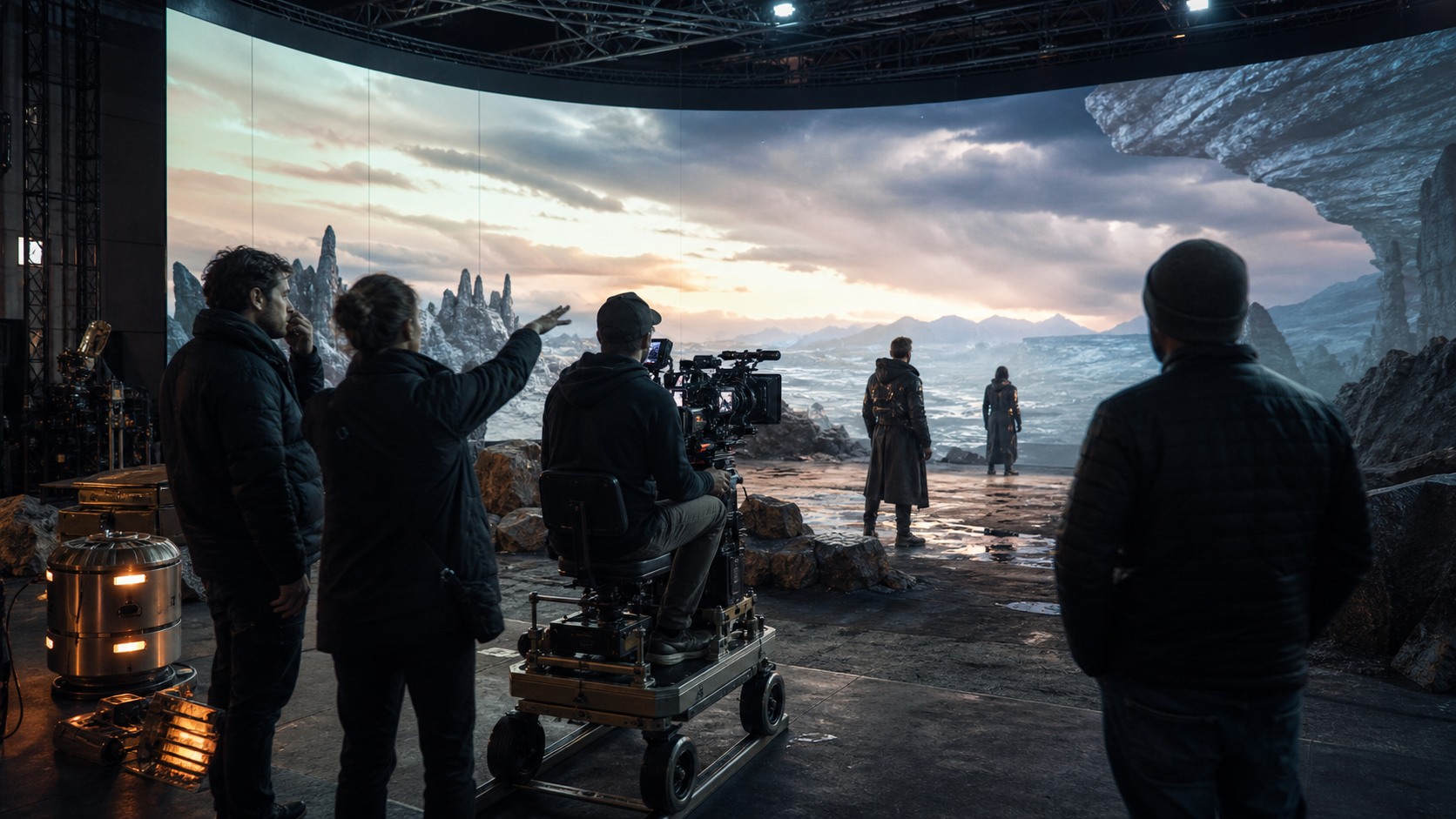
AI models for real-time scene generation help filmmakers create or adjust digital environments while planning, rehearsing, or shooting. They can support virtual scouting, LED stages, previs, lighting tests, weather changes, background variations, and fast production conversations. The appeal is obvious: a director can compare a dusk road, stormy courtyard, empty station, or mountain pass without waiting for a long design cycle. But real-time generation is not magic production design. A scene still needs story purpose, technical reliability, coherent style, safe blocking, and human approval before any generated world belongs on camera.
What Real-Time Generation Means
Real-time scene generation means the environment can be created, revised, or previewed quickly enough to affect a live creative decision. In filmmaking, that might happen during virtual scouting, previsualization, LED volume prep, or a rehearsal where the director wants to see how a location changes the scene. The term does not mean every pixel is final or that artists vanish from the process. It means the production can test more possibilities before committing to one world.
Why Speed Helps Directors
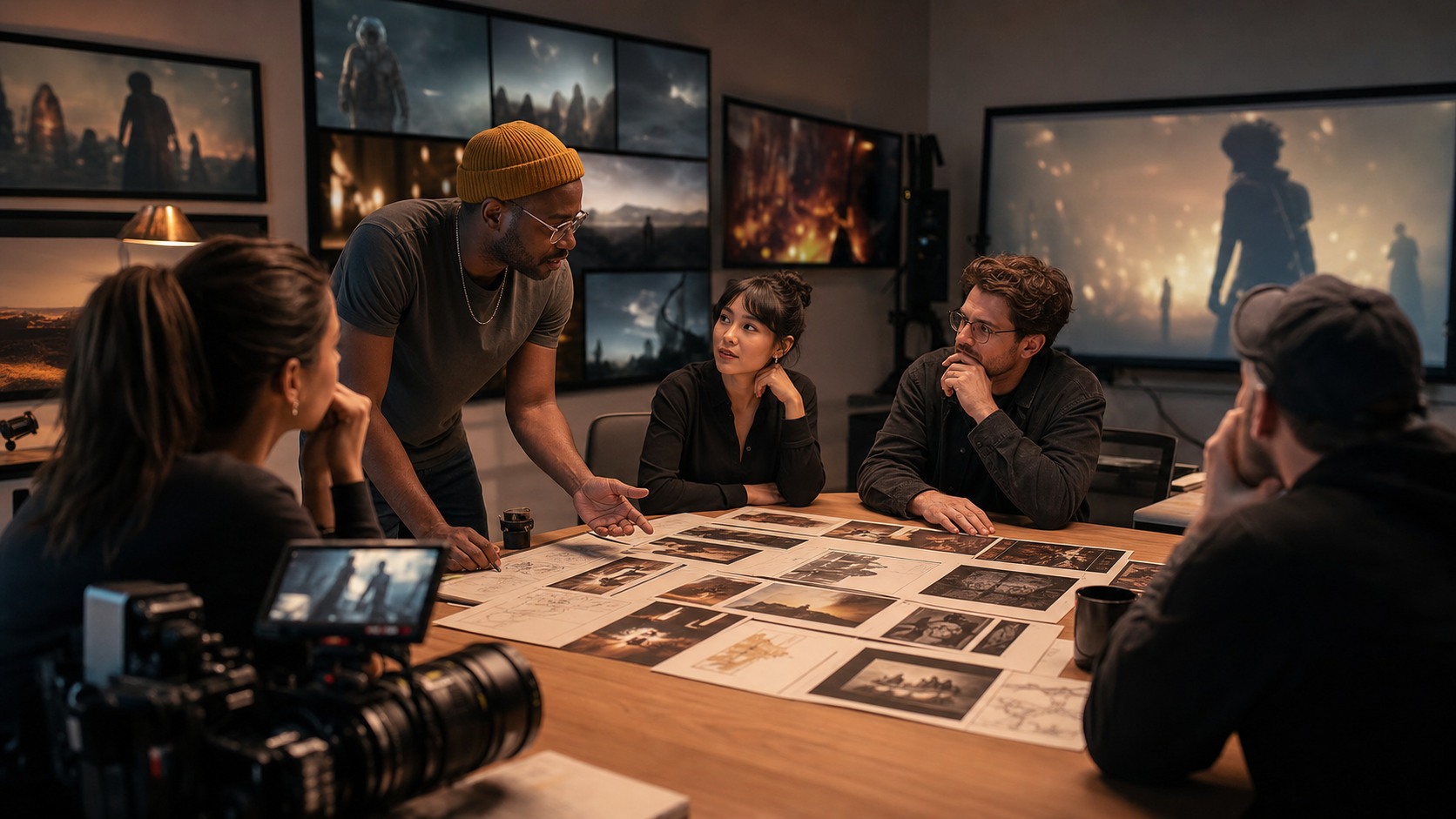
Speed helps directors because scene design often changes once actors, lenses, and blocking are considered. A written scene may seem to need a wide desert, then rehearsal reveals it works better in a narrow alley. Real-time AI tools can help compare those options earlier. The director can ask whether the world makes the character feel exposed, trapped, watched, powerful, or small.
That comparison has creative value only when the director knows what the scene is trying to do. If the team generates environments because they look impressive, the process may create more confusion than clarity. Speed should serve decision-making, not endless browsing.
The Role of Technical Artists
Technical artists and virtual production teams are essential because generated scenes must behave inside a pipeline. A scene that looks good in a still may fail when the camera moves, the lighting changes, or the actor crosses in front of it. Someone has to check scale, perspective, asset quality, tracking needs, render limits, and integration with physical set pieces.
This is where real-time generation becomes production work. The AI can propose a world, but specialists turn that world into a usable environment. The best teams treat generated output as material for review, not as finished scenery.
Latency and Reliability
Real-time tools must respond reliably. If an environment takes too long to update, crashes during review, or changes unpredictably, it can slow the room instead of speeding it up. Latency matters because directors and cinematographers make decisions through rhythm. A tool that interrupts the conversation may not be worth using on a busy stage.
Productions should test the system before relying on it. A controlled prep session is the right place to discover performance limits. Shoot days are expensive, and a real-time workflow should reduce uncertainty rather than introduce a new technical gamble.
Lighting and Camera Tests
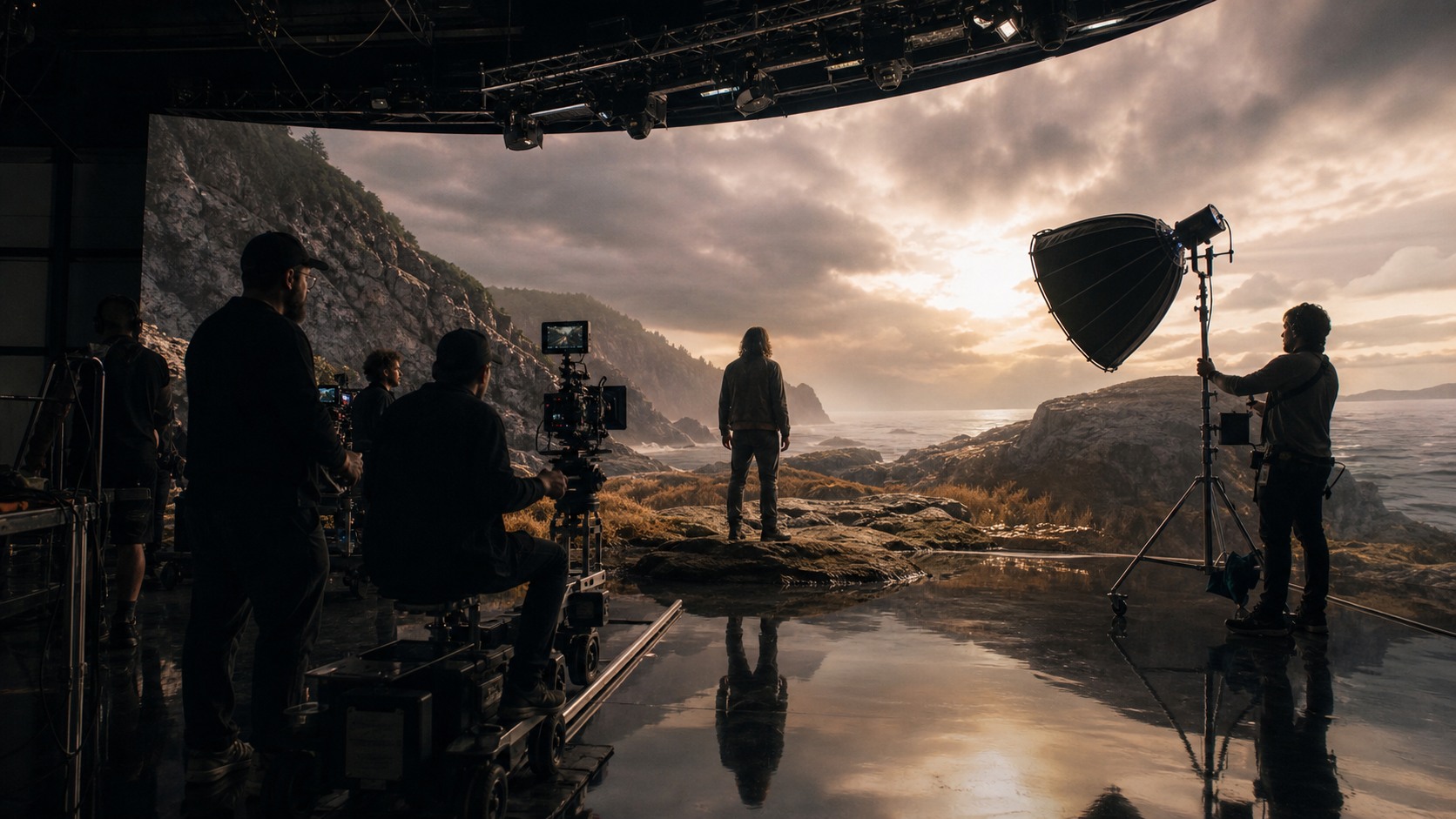
Generated environments affect lighting choices. A snowy landscape, neon street, warm apartment, or stormy sky all suggest different exposure, color, and contrast. Real-time generation can help cinematographers test those directions quickly, but the camera still needs to see a believable image. Lens choice, sensor behavior, LED wall output, practical fixtures, and color management all shape the final result.
A practical test should include the real foreground, the intended lens range, and a representative lighting setup. If the generated world only works from one angle or under one exposure, the team needs to know that early.
Maintaining Visual Continuity
Fast generation can create visual drift. One scene becomes painterly, another photoreal, another too futuristic, and the film loses a coherent world. Real-time tools make this risk larger because variations arrive quickly and can feel equally tempting. A production needs approved visual rules before it starts changing environments in front of a crew.
Continuity does not mean every scene looks the same. It means every scene belongs to the same film. Materials, architecture, weather, color, and scale should follow choices the team understands.
Actor and Blocking Benefits
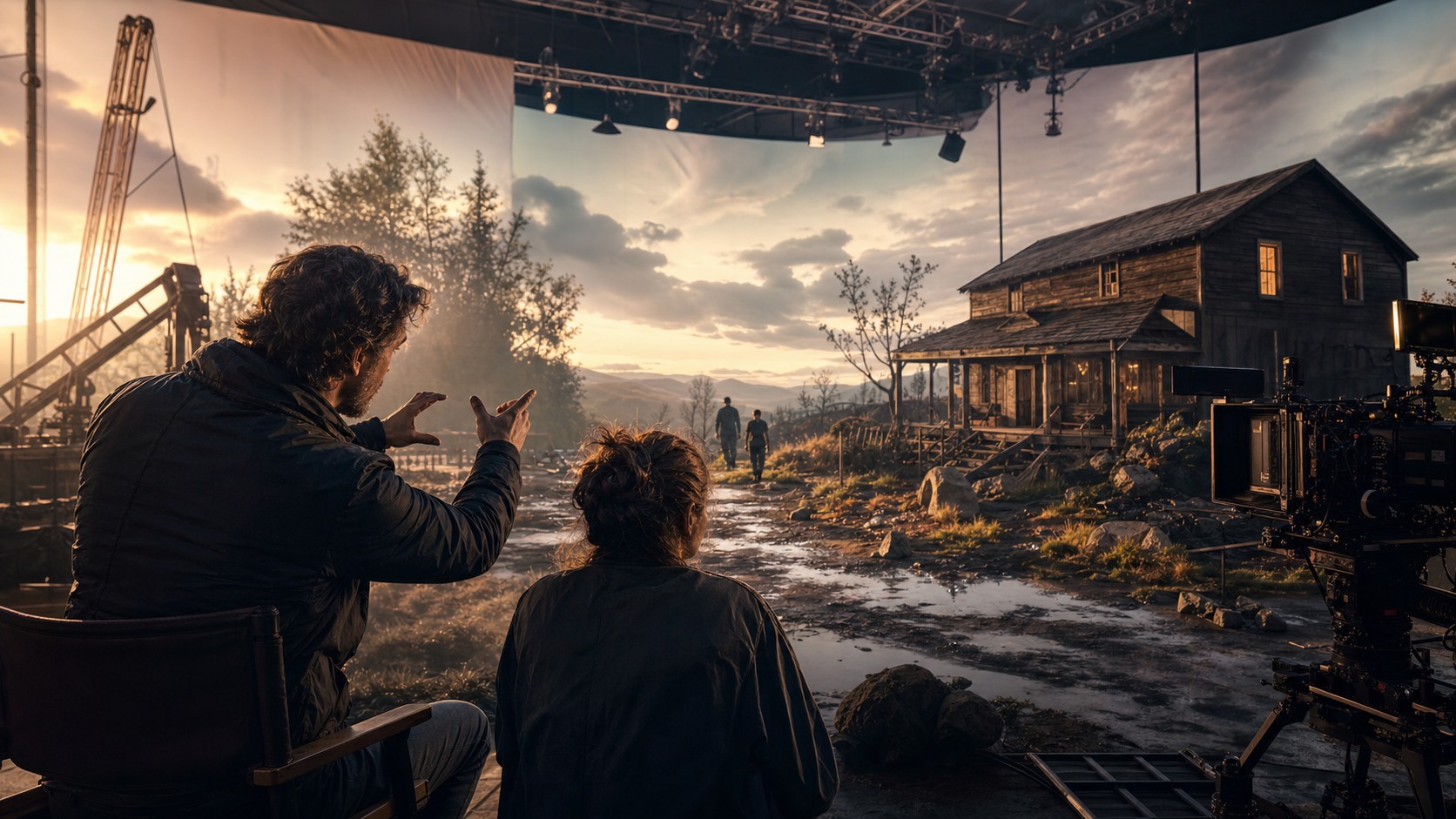
Actors can benefit when the world around them is visible during rehearsal. A generated environment can suggest distance, danger, crowd pressure, height, weather, or emotional atmosphere. That context may help performance, especially when the scene would otherwise be played against a blank wall or unfinished set.
The director should decide how much environment detail actors need. Too much technical explanation can distract from performance. The best use is simple: give actors enough world to understand the stakes, then let them focus on the human moment.
Where Real-Time Generation Fits Best
Real-time scene generation works best for exploration, comparison, and early alignment. It can help a team choose between location concepts, test broad lighting moods, plan virtual environments, and prepare stronger briefs for artists. It is less reliable as a replacement for final art direction, final VFX, or careful production design.
The workflow should have gates. Explore widely, select narrowly, review technically, and approve deliberately. If every generated version remains available, the production never gains the clarity it needs.
Approval Notes Must Be Specific
A real-time environment can change so quickly that people may approve different things without realizing it. One person may be approving the color of the sky, another the architecture, another the mood, and another the camera path. That confusion becomes expensive when the team later discovers that the approved image was never approved as a usable stage asset.
Approval notes should name the exact decision being made. A director might approve the emotional tone while the production designer still rejects the building shape. A cinematographer might approve the low sun but request a different horizon. Specific notes keep the process flexible without letting every choice blur together.
Data, References, and Rights
Productions should also pay attention to the references and data behind generated environments. Real-time tools may use mood boards, location photos, concept art, scanned assets, or prompt descriptions. Those inputs can carry rights, privacy, or brand concerns, especially if the generated scene resembles a protected place, living artist's style, recognizable property, or unlicensed reference.
The safest workflow keeps references documented and approved. Internal exploration can still be fast, but material intended for clients, investors, or final production should pass a rights-aware review. That review is not just legal caution. It also helps the creative team understand what visual sources are shaping the film.
Pipeline Handoff
When a real-time generated scene is selected, it has to move into a pipeline. The team may need asset breakdowns, layered files, geometry, camera information, color references, lighting notes, or VFX documentation. A beautiful generated frame that cannot be recreated, separated, tracked, or rendered consistently may be useful as inspiration but weak as production material.
The handoff should say what survives into the next phase. Maybe the color palette stays, but the buildings are rebuilt. Maybe the horizon stays, but the foreground becomes practical. Maybe the frame becomes a concept target rather than a final asset. Clear handoff language prevents the downstream team from guessing.
Cost Control
Real-time generation can save money by reducing blind exploration, but it can also invite endless iteration. Every new environment can trigger new production design questions, new lighting tests, new continuity concerns, and new VFX assumptions. The low cost of creating an option can hide the higher cost of preparing it for a shoot.
Producers should define exploration windows and decision deadlines. The team can generate broadly at first, then narrow aggressively. Once a direction is selected, changes should be tied to story, safety, feasibility, or a clear creative improvement. Otherwise the tool becomes a stylish way to postpone commitment.
Audience Belief
The final standard is audience belief. Viewers do not care whether a background was generated in real time, built by artists, photographed on location, or assembled through traditional VFX. They care whether the scene feels coherent, emotionally right, and visually trustworthy. Real-time generation should disappear into the film's world.
That means small details matter. Scale, weather, depth, texture, and camera movement all affect whether a generated environment feels inhabited. If the world only looks impressive for a moment but breaks under scrutiny, it may pull the audience out of the story. Production review has to protect that belief.
Editorial Thinking
Scene generation should be reviewed with the edit in mind. A wide generated world may look impressive, but the final scene may live in close-ups, reaction shots, or a short establishing moment. If the team understands how the scene will likely cut, it can avoid overbuilding environments that barely appear or underpreparing details that will hold on screen.
Editors can help by asking whether the environment supports orientation, tension, and transitions. They may also identify where a simpler background would make the performance stronger. Real-time generation is most useful when it helps the film choose what viewers actually need to see.
Crew Communication
A real-time workflow works better when the crew understands what has and has not been decided. Generated references should be labeled for purpose: mood test, blocking environment, lighting exploration, technical target, or approved background direction. Without those labels, departments may build assumptions on images that were only meant to start a conversation.
Clear communication also keeps the stage calmer. People can move faster when they know which version is current, which changes are still open, and who has final authority. That clarity is one of the quiet reasons a fast visual tool can become genuinely useful.
Testing With Real Constraints
The most revealing tests use the constraints the production will actually face. A real-time scene should be reviewed with representative lenses, planned camera movement, expected lighting levels, physical foreground pieces, and the amount of crew time that will be available. Testing only the most flattering still frame can create a false sense of readiness.
A constraint-aware test may expose problems, but that is a success. It gives the team time to simplify the environment, change the blocking, rebuild a background, or choose a more stable method before the shoot day. Real-time generation earns its place when it turns uncertainty into decisions the production can trust.
That review should end with a practical yes, no, or revise decision. If the scene can be made reliable, the team can move forward. If it cannot, the early test has still protected the schedule by revealing the issue before actors, crew, and stage resources are waiting.
The Practical Takeaway
AI models for real-time scene generation can make filmmaking more responsive by letting teams test worlds, moods, and scene conditions earlier. They are valuable when they shorten the distance between idea and review.
Their risk is false readiness. A generated scene may feel finished because it appears quickly, but film production still requires design, camera testing, lighting, performance, continuity, and technical supervision. Use real-time generation to make better decisions faster, then let the production team turn those decisions into a reliable scene. The best result is a faster conversation that still respects craft, cost, and the audience's belief. When the team treats speed as preparation instead of permission, the generated world becomes easier to trust across every production handoff and review.