Generative AI Will Change the Film Pipeline More Than the Film Dream
The future of film creation with generative AI models is not simply a future where a person types a sentence and receives a finished movie. The more realistic shift is deeper and more useful: filmmakers will be able to imagine, test, revise, and communicate ideas earlier in the process. Generative models can create images, motion, sound ideas, references, and scene experiments, but the future will still depend on directors, writers, editors, producers, designers, and performers turning those outputs into coherent work.
From Blank Page to Visible Draft
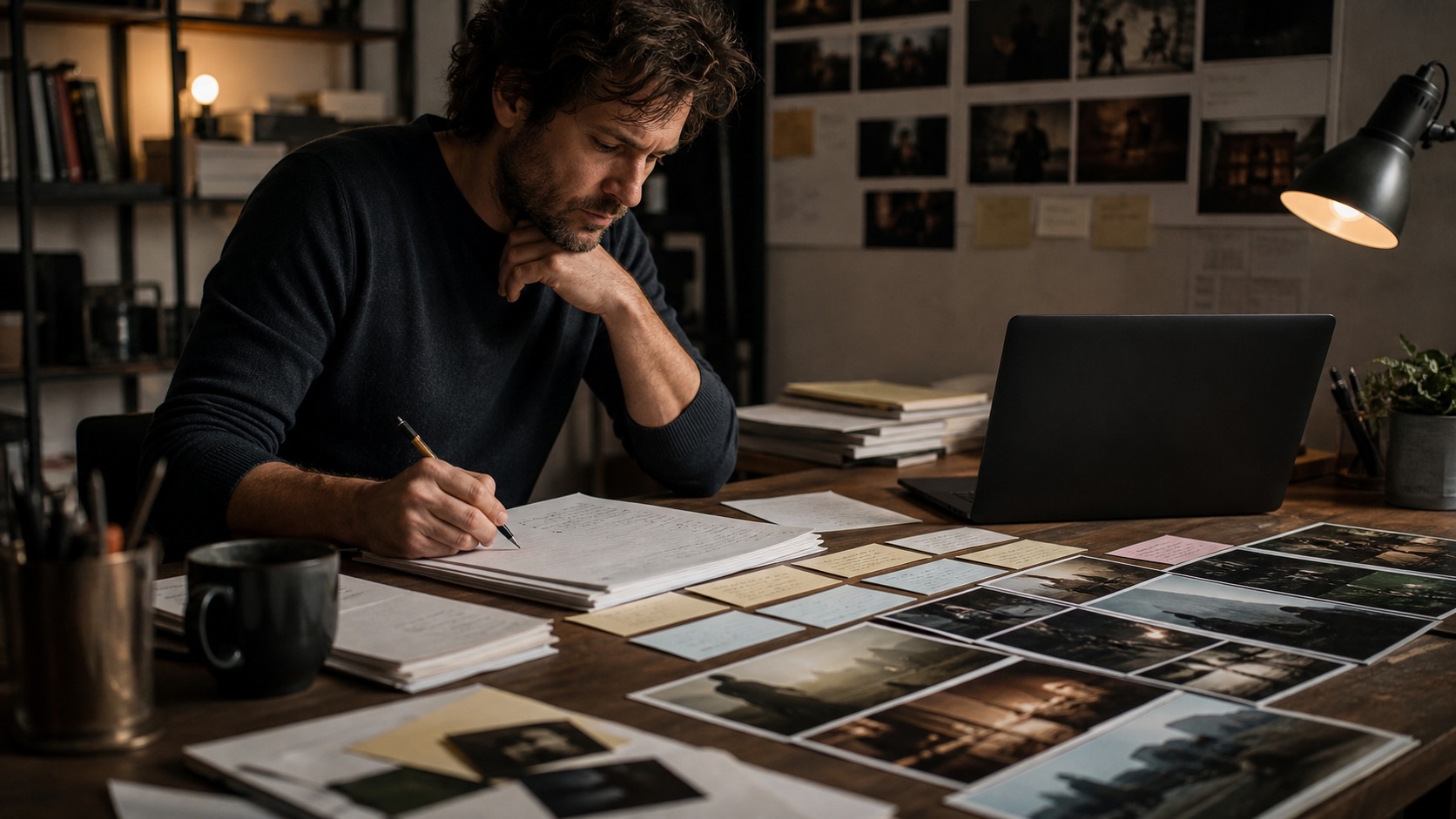
Generative AI changes the earliest stage of creation because it makes rough visual drafts easier to see. A writer can describe a strange city, a director can test the tone of a scene, and a producer can understand scale before a full art department has been assembled. That does not replace writing or design. It gives the team something visible to argue with, improve, or reject.
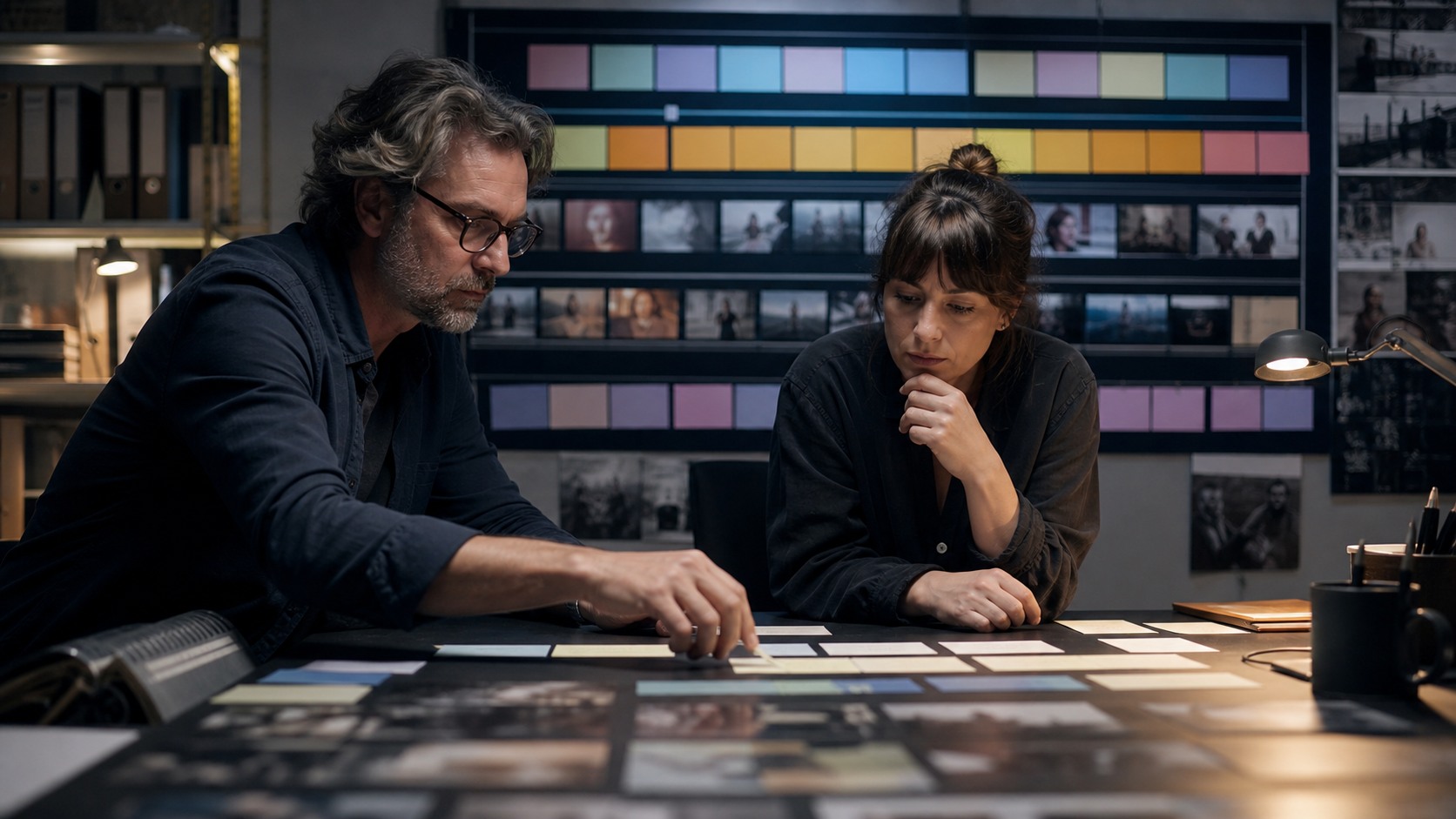
This matters most when a project is hard to explain. Science fiction, fantasy, animation, and stylized drama often depend on tone as much as plot. A few generated mood frames can reveal whether the idea feels intimate, expensive, comic, severe, or too familiar. The future pipeline may begin with more visual discovery before anyone commits to a costly plan.
A visible draft can also save energy. If a generated test shows that a concept is not working, the team can redirect before building sets, hiring vendors, or pitching the wrong version of the film. That early course correction may become one of AI's most practical contributions.
Pre-Production Becomes More Iterative
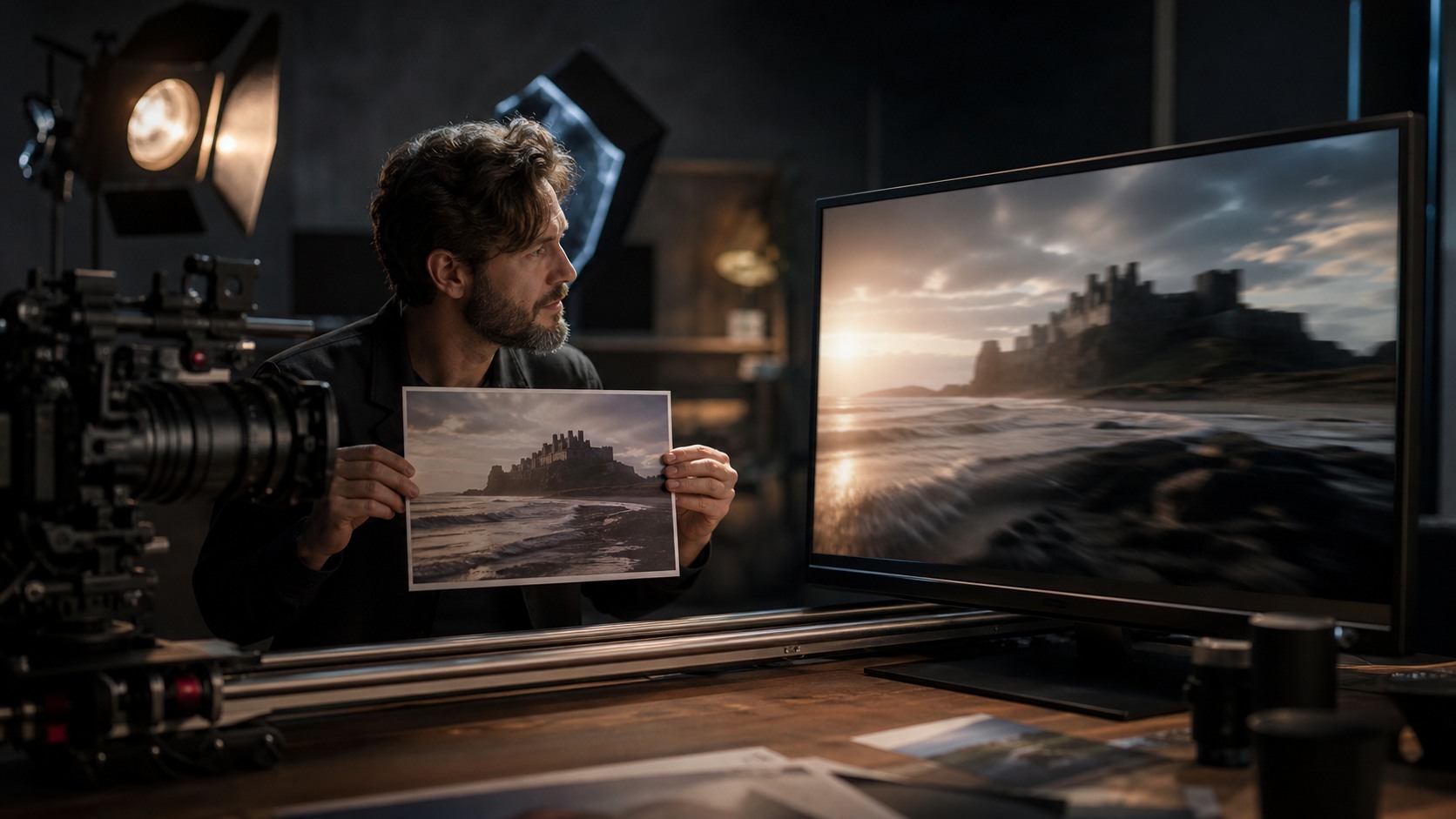
Pre-production is likely to become more iterative because generative models reward fast comparison. A filmmaker can test several approaches to a location, creature, costume, lighting rule, or camera mood. The team can discuss concrete options rather than abstract descriptions. That can make creative meetings sharper.
The risk is that fast iteration can become endless iteration. If every meeting produces another dozen options, the project may never narrow. Future teams will need stronger decision habits. They will need to know when an AI-generated exploration has done its job and when the production must move into commitment.
The best pre-production use will probably look disciplined rather than chaotic. Teams will set goals for each generation round, preserve approved references, and stop when the creative question has been answered. AI can make exploration faster, but leadership still has to turn exploration into a plan.
Small Teams Get More Visual Leverage
Independent filmmakers may feel the shift first because they often have ambitious ideas and limited resources. Generative models can help them create pitch visuals, internal look books, rough scene tests, and experimental proof-of-concept material without waiting for a large budget. That leverage can help a small team explain a project that would otherwise remain invisible.
Leverage is not the same as finishing power. A small team still needs writing, editing, sound, permissions, quality control, and a realistic schedule. AI may help create more impressive early materials, but the final film still has to be managed. The future may give independents better doors to knock on, not an automatic shortcut through every room.
This could change which ideas get developed. Projects that once seemed impossible to pitch may become easier to demonstrate. A filmmaker can show a world, a tone, or a scene experiment before asking others to believe in it.
Studios Will Ask for Better Accountability
Large productions will not adopt generative AI only because it looks exciting. They will ask whether the workflow is repeatable, legal, secure, and compatible with existing departments. A studio needs to know who approved an output, what references were used, and whether an asset can survive revisions. The future of AI in studio filmmaking will depend on documentation as much as imagery.
That accountability will shape tools. Professional systems may need asset logs, permission tracking, model information, version histories, and controls for likeness and brand safety. The more public and expensive the project, the less acceptable it becomes to say the model just made it.
This may separate casual AI experiments from production-grade AI workflows. The strongest tools will not only generate beautiful frames. They will help teams prove where those frames came from and how they can be used.
The Role of Artists Will Shift
Artists will not all be affected in the same way. Some roles may become more focused on direction, curation, refinement, and integration. Concept artists may use AI for early exploration, then apply their own judgment to make the idea specific. Editors may receive more synthetic material and spend more time deciding what belongs in the sequence.
Other roles may become more protective of craft. A generated image can suggest a world, but an artist still understands material, scale, anatomy, mood, and production reality. The future will need people who can tell when an output is merely attractive and when it is actually usable.
The most resilient artists may be those who can move between taste and technology. They will know how to guide models, critique results, and convert rough discoveries into durable production choices.
Story Still Has to Lead
A future full of generated imagery will make story discipline more important, not less. When it becomes easier to create spectacle, spectacle loses some of its power. The question becomes why the image is there, what it reveals, and how it changes the audience's experience.
Filmmakers may need to protect quiet scenes from the pressure to generate more. Not every moment needs visual excess. A simple conversation, a held reaction, or a careful cut may do more for a film than another synthetic vista. The future of film creation will still belong to projects that know when to use technology and when to leave space.
Generative AI can expand what is visible, but it cannot decide what should matter. That remains the job of storytelling.
Post-Production May Become More Flexible
Post-production could become more flexible as generative tools improve cleanup, extension, alternate takes, background repair, and temporary visual ideas. Editors and finishing teams may be able to test fixes before committing to a traditional effects pass. That can make the post process more responsive.
The danger is that post-production becomes a place where unclear decisions are endlessly repaired. If production planning is weak, AI may be asked to fix problems that should have been solved earlier. Future teams will need to distinguish useful flexibility from avoidable confusion.
The best post use will likely be targeted. A tool solves a specific problem, an artist reviews the result, and the shot returns to the film with a clear purpose.
Audience Trust Will Matter
As synthetic media becomes common, audiences may ask more questions about what they are seeing. That does not mean every AI-assisted film needs a lecture before it starts. It does mean creators should understand how the context changes expectations. Fiction, documentary, advertising, and educational work carry different responsibilities.
Trust also depends on quality. Viewers may forgive stylization if it feels intentional, but they will notice confusion, uncanny motion, or careless resemblance. The future will reward creators who treat AI use as part of production ethics, not only production efficiency.
Clear disclosure, consent, and rights review will become normal parts of the conversation. They will not remove creativity. They will help protect it.
Budgets May Move Instead of Shrink
Generative models may reduce some early costs, but they will not make serious films cost-free. Money may move from early concept work into review, integration, legal checks, file management, and higher expectations. A team that saves time generating rough visuals may spend time proving that those visuals can be used.
This is familiar in film history. New tools often lower one barrier while raising another. Digital cameras made shooting easier, but they also created more footage to organize and finish. AI may make visual drafting easier, while increasing the need for standards around asset status, continuity, and consent.
Producers should plan for the whole workflow, not only the exciting first output. If a generated idea becomes central to the film, someone must decide whether it will be rebuilt, licensed, refined, composited, or replaced. That decision carries cost.
Training and Taste Will Converge
Future filmmakers may need to learn model literacy alongside traditional craft. They will not need to become machine learning researchers, but they should understand prompts, references, seeds, limitations, artifacts, and rights basics. That literacy will help them ask better questions of the tools.
At the same time, traditional taste will become more important. A filmmaker who understands performance, pacing, visual clarity, and story structure can judge generated material more effectively. The tool may produce the image, but the filmmaker must know whether it belongs.
The most capable creators may be bilingual in this sense. They will speak the language of film and the practical language of generative workflows. That combination will matter more than technical novelty alone.
Distribution Will Shape Adoption
The future of AI film creation will also be shaped by distributors, platforms, festivals, and clients. If a festival requires disclosure, creators must be ready. If a client restricts synthetic likeness, the workflow must respect it. If a platform labels AI content, presentation choices may change.
Adoption will not be decided only inside studios or software companies. It will be negotiated through audience response, policy, contracts, and business risk. Filmmakers who understand those pressures will use the tools more confidently.
The future is therefore creative and administrative at the same time. The art may begin with a generated image, but the project survives through clear records and responsible release decisions.
What Collaboration May Look Like
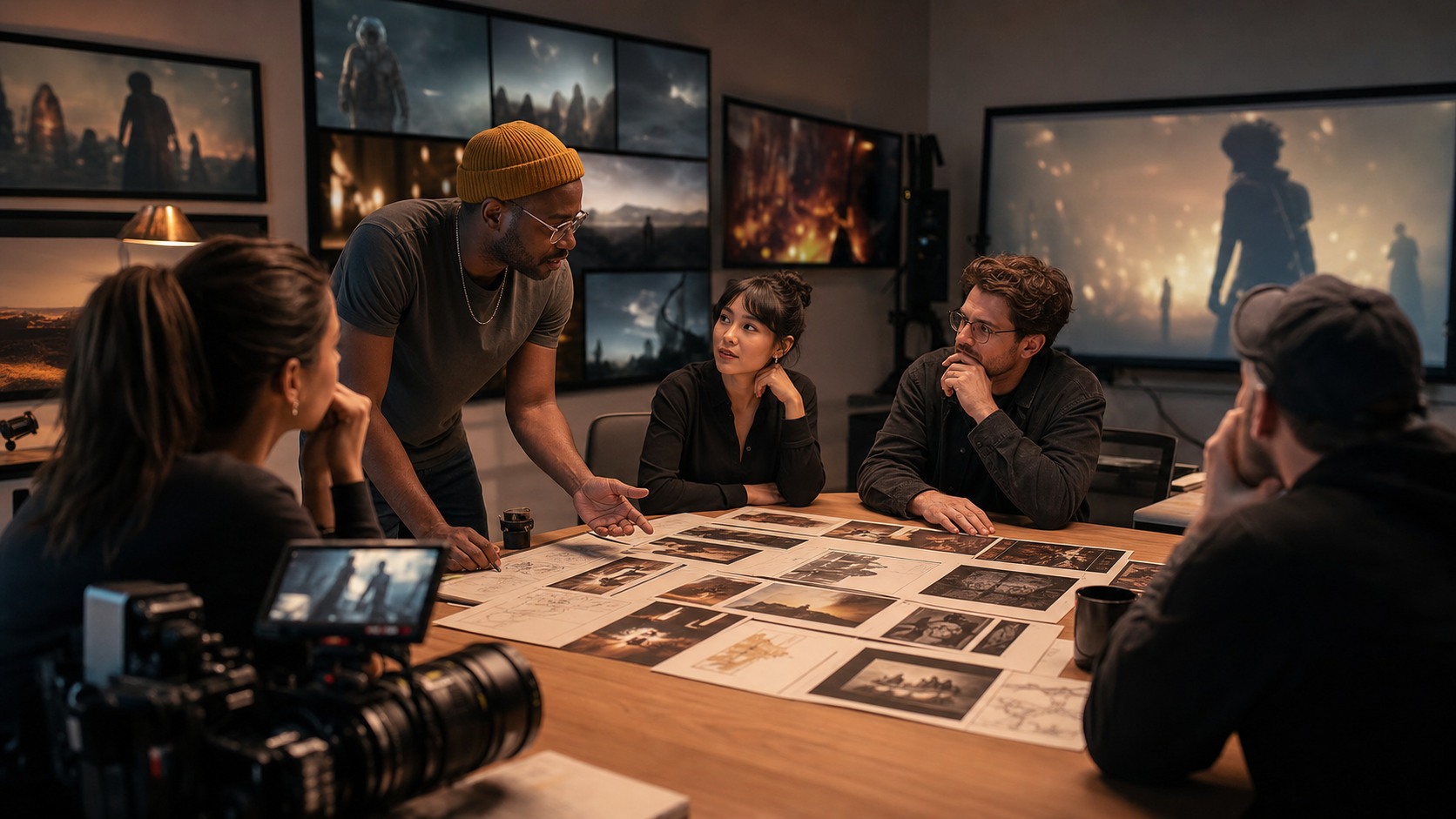
Collaboration may become more visual at every stage. A writer can bring generated mood frames to a director, a director can bring scene tests to a cinematographer, and a producer can bring rough visual proof to a financier. These materials can make conversations more concrete, but they can also create confusion if nobody knows whether the images are reference or promise.
Future teams will need a shared vocabulary for AI materials. A draft frame, a look target, a motion test, a temp asset, and a final shot should not be treated as the same thing. Once those labels are clear, collaborators can respond appropriately instead of overreacting to unfinished work.
The best collaboration will keep human expertise visible. A generated image might start the discussion, but designers, cinematographers, editors, and sound teams will still explain what the film actually needs. The model creates a proposal; the team turns it into a production decision.
How Creative Risk May Change
Generative AI could make some creative risks easier to test. A filmmaker can try a strange visual world, unusual color system, or impossible camera move before asking a full crew to support it. That can encourage bolder early development because failure is cheaper at the test stage.
At the same time, the tools can make creators too cautious if they only choose outputs that look familiar and polished. Models often reward recognizable patterns. A future full of AI-assisted film will need creators who push past the obvious result and look for specificity.
The healthiest future is not safer or wilder by default. It is more testable. Filmmakers can investigate risk earlier, then decide which risks deserve real commitment.
What the Future Probably Looks Like
The future probably looks hybrid. Filmmakers will combine writing, live action, animation, traditional CGI, generative images, AI-assisted cleanup, sound design, human performance, and editorial judgment. The most interesting films may not advertise a single method. They may simply use the right tool for each creative problem.
That hybrid future will be uneven. Some projects will chase novelty and fade quickly. Others will use generative models quietly and effectively. The difference will be the strength of the human process around the tools.
Generative AI models will change how films are imagined and assembled. They will not remove the need for taste, patience, collaboration, or responsibility. If anything, those qualities will become more valuable because the number of possible images will keep growing.