Digital Cameras Changed Capture; Generative AI Changes Creation
Digital cameras changed filmmaking by making capture cheaper, faster, more flexible, and easier to review. Generative AI may become the biggest shift since then because it changes a different part of the process: the creation of visual and audio possibilities before, during, and after production. A digital camera records what a team can place in front of it. A generative model can help imagine what is not there yet. That difference could reshape how filmmakers develop, pitch, plan, and finish work.
What Digital Cameras Made Possible
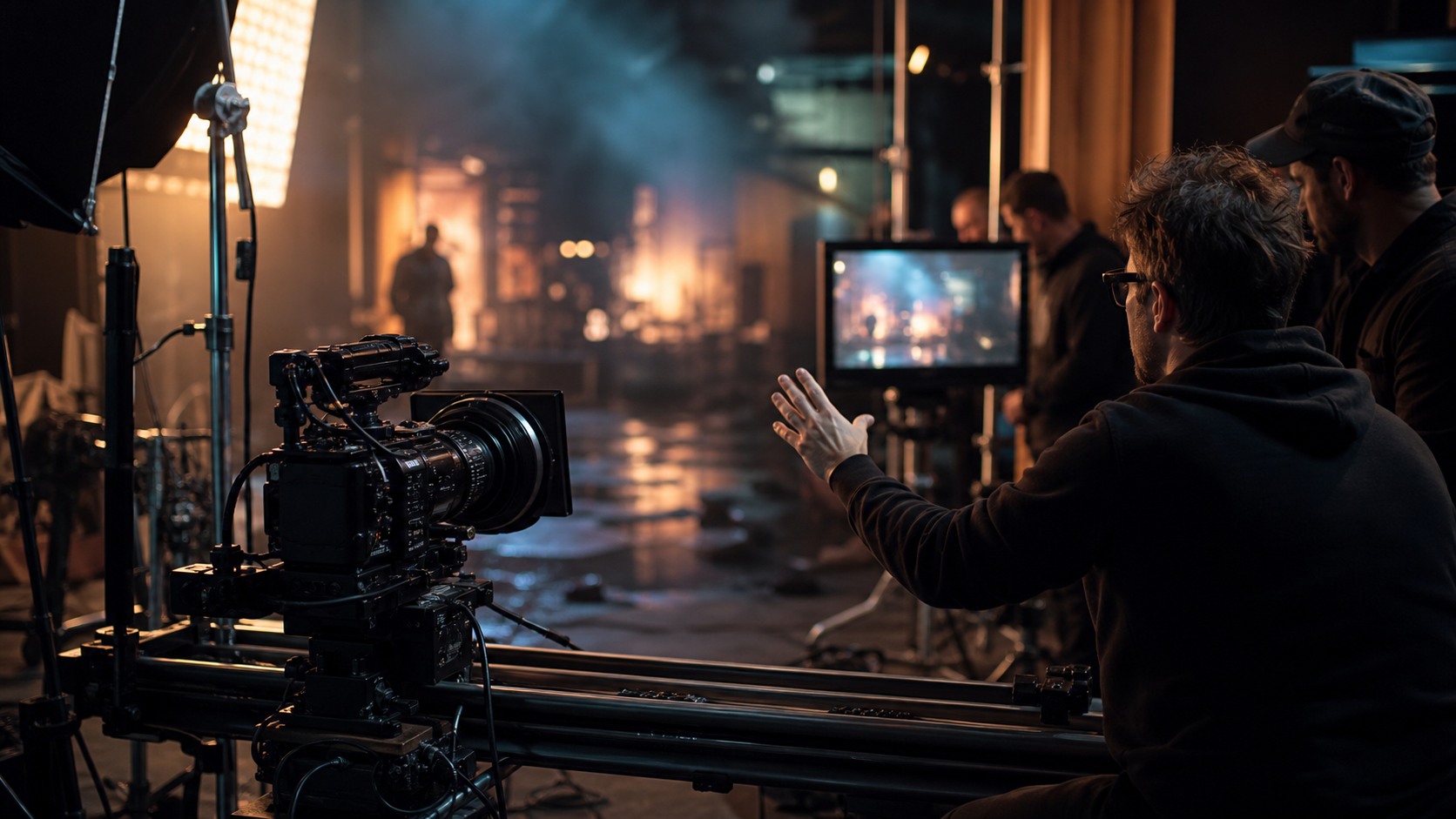
Digital cameras lowered barriers by reducing the cost and difficulty of shooting. Filmmakers could record more takes, review footage quickly, work with smaller crews, and learn by doing. Independent production expanded because creators no longer needed the same film stock budgets, lab processes, or heavy equipment habits.
The digital shift did not make filmmaking easy. It made experimentation more accessible. A creator still needed taste, story, sound, actors, editing, and discipline. Many weak films were shot digitally, but the technology also helped new voices produce work that would have been harder to attempt on film.
Generative AI has a similar access story, but it moves upstream. Instead of only making capture easier, it makes imagination easier to prototype. That is why the comparison to digital cameras is useful but incomplete.
What Generative AI Makes Possible
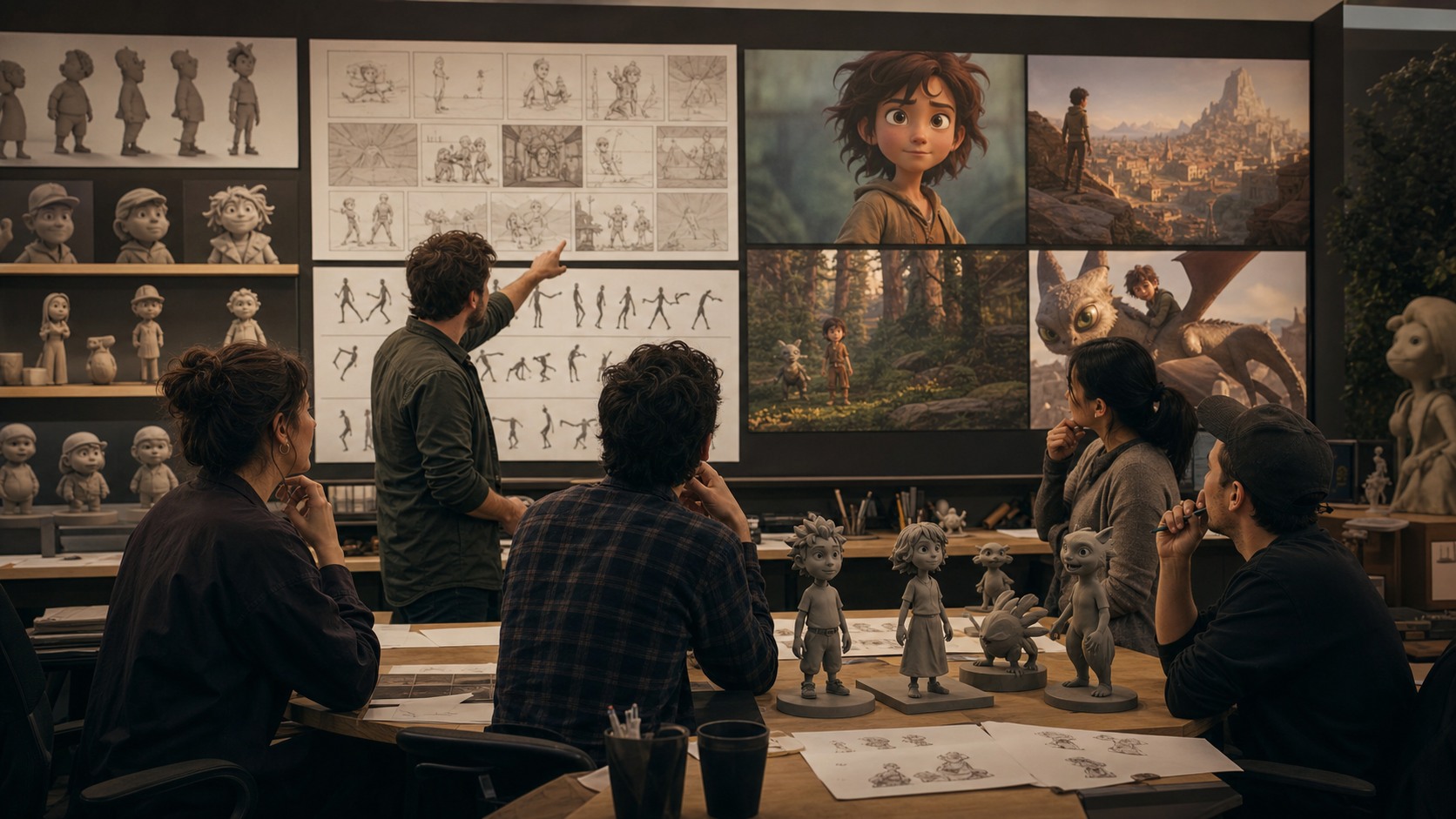
Generative AI can create concept images, video tests, background ideas, synthetic elements, voice drafts, music sketches, and scene experiments. It can show a director several possible worlds before a set is built. It can let a writer see whether a strange idea has visual energy. It can help a producer understand the scope of a film before a full team exists.
This ability changes the relationship between idea and evidence. A filmmaker no longer has to ask collaborators to imagine everything from words alone. The team can look at rough outputs and decide what feels alive. That makes the creative process more visual earlier.
The tool is not a replacement for production. It is a new way to make the invisible visible before production decisions harden.
Access Will Expand Again
Just as digital cameras opened doors for more filmmakers, generative AI may open doors for creators who have strong ideas but limited visual development resources. A filmmaker can build a proof-of-concept scene, pitch a creature, or explore a future city without a traditional effects budget at the start.
Access can be empowering, but it can also flood the field with similar-looking work. When the barrier drops, the volume rises. The creators who stand out will not be the ones who use AI most loudly. They will be the ones who use it with a clear voice.
The digital camera era taught a similar lesson. Owning a camera did not make someone a filmmaker. It gave them a chance to become one through practice. Generative AI may give more people a chance to practice visual invention.
Iteration Gets Faster
Digital cameras made it easier to shoot more, review more, and adjust faster. Generative AI makes it easier to test more visual directions before shooting or building. A director can compare atmosphere, color, scene scale, and staging ideas in a single afternoon rather than waiting for a full concept package.
Fast iteration can improve a project if it leads to clearer decisions. It can weaken a project if it becomes a habit of avoiding decisions. The challenge is the same as with digital shooting: more material is only useful when someone knows how to choose.
The future will reward filmmakers who can use speed without losing intention. Fast tools should make creative questions sharper, not make every question permanent.
The Meaning of Production Changes
Digital cameras changed production by altering capture. Generative AI changes production by blurring the line between development, pre-production, and post-production. A generated frame might begin as a pitch image, become a reference for a set, influence a visual effects shot, or inspire an edit transition.
That fluidity can be powerful, but it requires careful labeling. A generated image should be marked as reference, test, temp, or final. If the team does not know what stage an asset belongs to, confusion spreads quickly.
Production may become less linear. Ideas will move back and forth between script, image, edit, and sound more often. Strong organization will become a creative advantage.
Craft Becomes More Selective
When cameras became digital, filmmakers had to learn how to manage more footage. When generative AI becomes common, filmmakers will have to manage more possibilities. Selection becomes a larger part of craft. The filmmaker must know what to ignore.
This may make editing instincts valuable earlier in the process. A director who can imagine how a generated image would cut into a scene can judge it more accurately. A producer who can separate a pitch-worthy concept from an unusable final asset can protect the schedule.
The new craft is not only prompt writing. It is taste under abundance.
Rights and Trust Are Bigger Than Before
Digital cameras raised questions about authenticity in some contexts, but generative AI raises broader questions about source, likeness, voice, style, and synthetic presentation. A generated image may look like a person who never consented. A synthetic voice may sound like someone real. A visual style may resemble protected work.
That means the AI shift carries ethical and legal weight that the digital camera shift did not carry in the same way. Creators will need better records and clearer decisions about what is private experimentation versus public use.
Trust will become part of the technology's adoption. Audiences and collaborators may accept AI-assisted filmmaking more readily when creators are honest, careful, and respectful.
Why the Shift Feels So Large
The shift feels large because generative AI touches many parts of filmmaking at once. It can affect writing, concept art, storyboarding, previsualization, production design, visual effects, editing, sound, marketing, and distribution materials. Digital cameras changed a central tool. Generative AI changes the space around many tools.
That reach does not mean every use is good. It means every department may eventually need a policy, a workflow, and a creative opinion. The technology is too flexible to remain isolated in one corner of production.
The biggest change may be cultural. Filmmakers will begin expecting ideas to become visible sooner. Once that expectation takes hold, the planning process itself changes.
Why the Camera Comparison Has Limits
The digital camera comparison is useful, but it has limits. A camera still points at something that exists in front of it, even when the scene is staged, lit, and designed. Generative AI can create something that was never staged at all. That makes the tool more flexible and more complicated.
Digital footage usually has a clear production trail. A crew knows where it was shot, who performed, who owned the location, and what releases were signed. AI-generated material can have a less obvious trail unless the creator keeps records. That difference changes professional responsibility.
The comparison should therefore be used carefully. Digital cameras changed how filmmakers captured reality and constructed scenes. Generative AI changes how filmmakers create synthetic possibilities before deciding what should become part of the film.
How Film Education May Respond
Film education may respond by teaching AI as part of pre-production and post-production, not as a separate novelty. Students may learn how to create references, evaluate synthetic motion, document generated assets, and decide when a traditional method is better.
The deeper lesson will still be cinematic thinking. A student who can explain why a shot works will use AI more responsibly than a student who only knows which prompt sounds impressive. Schools and mentors may need to pair tool literacy with stronger critique habits.
That pairing could be healthy. If more people can see their ideas early, more people also need to learn how to judge those ideas honestly.
Why Human Capture Will Remain Valuable
Generative AI may grow quickly, but human capture will remain valuable because real performance has texture, surprise, and accountability. A camera records choices made by people in a shared moment. That presence matters for many kinds of cinema.
The future may actually make filmed material feel more precious in some contexts. When synthetic imagery is abundant, the specificity of a real location, real actor, or real accident can stand out. Filmmakers will choose between capture and generation based on what the scene needs emotionally and practically.
The biggest shift is not the disappearance of cameras. It is the expansion of choices around them.
How Workflows May Become More Layered
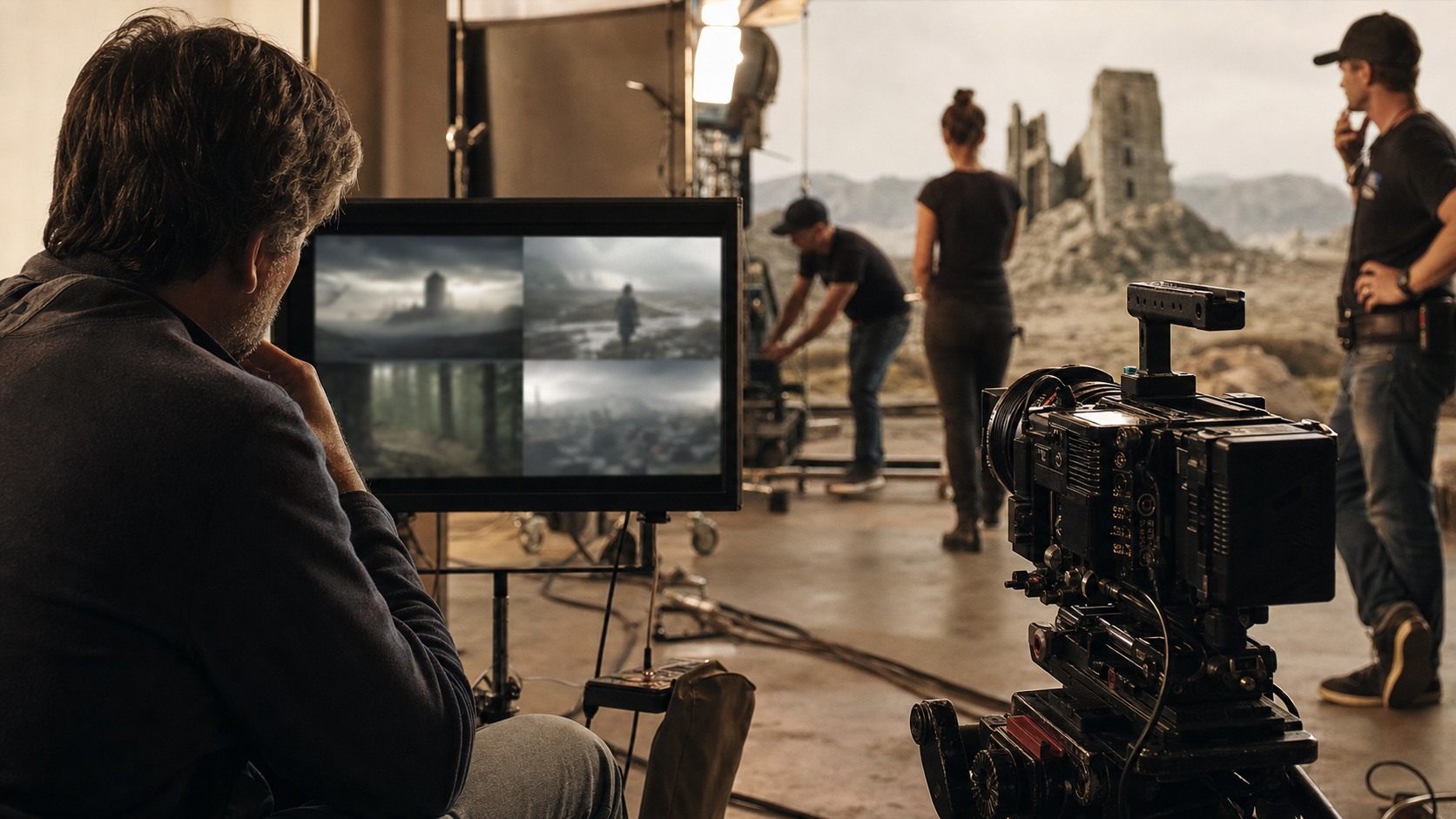
Generative AI may make filmmaking workflows more layered. A project might begin with AI concept frames, move into live-action shooting, return to AI for temporary extensions, use traditional visual effects for hero shots, and finish with human color and sound work. The film may not belong to one method.
That layered process can be efficient if each layer has a purpose. It can become messy if AI is used whenever the team is uncertain. The lesson from digital filmmaking applies again: more flexible tools require stronger organization, not less.
Directors and producers will need to know which layer is solving which problem. If a generated image is only a reference, it should not be judged like final footage. If it is final footage, it needs final-level review.
Why the Shift Is Also Psychological
The psychological change may be as important as the technical one. Digital cameras made filmmakers comfortable shooting more and reviewing faster. Generative AI may make filmmakers expect to see a visual version of an idea almost immediately. That expectation will change meetings, pitches, and development habits.
Once creators can see an idea early, they may become less patient with purely verbal uncertainty. That can be useful when it clarifies direction. It can be harmful if the first visible idea becomes too persuasive simply because it exists.
The new discipline is learning to see early images as questions, not answers. That mindset keeps the tool from narrowing imagination too soon.
What Producers Will Need to Measure
Producers will need to measure more than the price of a generated clip. They will need to measure whether the tool shortened development, clarified the pitch, reduced design confusion, or created new review work. A cheap image can become expensive if it sends the team in the wrong direction.
They may also need to measure confidence. If a generated test helps investors understand the project, it has value even if the clip never appears on screen. If it creates unrealistic expectations, it may hurt the project later.
The smartest producers will treat AI as a planning variable. It can reduce uncertainty in some places and introduce uncertainty in others. The job is to know which is happening.
What Should Not Change
The core responsibility should not change. Filmmakers still owe the audience clarity, care, and a reason to stay with the story. Generative AI may change how ideas are tested and built, but it does not excuse weak choices. The technology becomes meaningful only when it supports a film that people can actually feel and follow.
The Better Comparison
The better comparison is not that generative AI will replace digital cameras. It is that both technologies changed what more creators could attempt. Digital cameras expanded capture. Generative models expand previsual imagination and synthetic construction.
Both shifts create new opportunities and new weak work. Both reward discipline. Both make craft more important because access alone does not create meaning.
Generative AI may be the biggest shift since digital cameras because it changes the cost of seeing an idea. For filmmakers, seeing an idea earlier can change everything that follows.