A New Creative Partner Enters the Studio
Cinema has always been shaped by technology. From the arrival of sound and color to the rise of digital editing and computer-generated imagery, every major leap has changed not just how films are made, but also how stories are imagined. Today, machine learning is becoming one of the most influential forces in that evolution. It is not replacing the heart of filmmaking, which still depends on human emotion, artistic judgment, and bold creative vision. Instead, it is becoming a powerful partner that helps filmmakers work faster, discover new possibilities, and solve problems that once consumed entire teams and budgets. Machine learning brings something unique to film creation because it learns from patterns. Rather than following only rigid instructions, these systems can analyze enormous libraries of images, sounds, scripts, performances, and production data to recognize relationships and generate useful predictions. That ability makes machine learning valuable at nearly every stage of the filmmaking process. It can help writers explore story structures, assist casting teams in evaluating chemistry and audience fit, support pre-production planning, enhance visual effects pipelines, improve editing speed, refine sound design, and even guide marketing once a film is complete. The technology is not simply another piece of software. It is becoming part of the creative ecosystem that surrounds modern filmmaking.
A: It can assist with ideas and structure, but strong storytelling still depends on human creativity.
A: No. It speeds up search, sorting, and prep work, but editorial judgment remains human.
A: No. Many of the biggest gains are helping smaller teams do more with less.
A: It accelerates time-consuming tasks like masking, tracking, cleanup, and compositing preparation.
A: Yes. It can isolate dialogue, remove noise, and help restore damaged recordings.
A: Yes. It supports virtual production, camera tracking, previs, and production planning.
A: It removes friction, giving filmmakers more time to focus on emotion, pacing, and visual storytelling.
A: Absolutely. Training data, consent, copyright, and digital likeness all matter.
A: No. Speed helps, but quality still depends on thoughtful direction and artistic standards.
A: A collaborative one, where intelligent tools support filmmakers instead of replacing them.
Why Machine Learning Fits So Naturally Into Film
Film production is one of the most complex creative industries in the world. A single project can involve thousands of moving parts, from script revisions and location planning to camera setups, lighting decisions, post-production workflows, and promotional campaigns. Every stage produces data. Scripts create dialogue patterns and scene structures. Cameras generate footage and metadata. Editing systems track takes, cuts, and timing. Visual effects departments manage countless assets, renders, and revisions. Machine learning thrives in environments like this because it can process complexity at a scale that is difficult for human teams to manage alone. That does not mean film becomes mechanical. In fact, the opposite is often true. When repetitive or highly technical tasks are streamlined by machine learning, directors, editors, cinematographers, and artists gain more time to focus on tone, rhythm, mood, and performance. Instead of spending hours hunting for the best take, matching continuity, cleaning noisy audio, or sorting massive asset libraries, creators can devote more attention to the feeling of a scene. In this way, machine learning often works best not as the author of the film, but as an invisible engine that reduces friction and gives creative people more room to make meaningful choices.
Smarter Script Development and Story Analysis
One of the earliest ways machine learning can influence film creation is at the script stage. Screenplays contain a wealth of patterns, including pacing, character distribution, dialogue density, genre conventions, and narrative arcs. Machine learning tools can analyze scripts to identify structure, compare them with similar films, and detect elements that may affect production complexity or audience response. This does not mean an algorithm can tell a writer how to create a masterpiece. Great stories still come from human insight, life experience, and emotional intelligence. But machine learning can reveal hidden tendencies in a script that might otherwise go unnoticed.
For example, a writer or development executive might use machine learning to examine whether a story slows down too much in the middle act, whether one character disappears for too long, or whether dialogue patterns feel repetitive. The technology can also help organize large sets of notes, summarize revisions, and surface script-related references from development archives. In collaborative environments where many stakeholders are involved, machine learning can make the script process more efficient and less chaotic. It becomes a creative assistant that supports refinement while leaving the artistic core of storytelling in human hands.
Casting, Performance Insight, and Audience Alignment
Casting has always been a blend of instinct, experience, and chemistry. Producers and casting directors consider talent, presence, marketability, and the way performers interact on screen. Machine learning adds another layer by helping teams analyze performance data, audience preferences, and even previous collaborations between actors, directors, and genres. It can assist in organizing audition footage, tagging emotional tone, comparing line delivery, or identifying performers whose strengths align with the needs of a specific role.
This does not reduce actors to data points. Great performances often come from surprise, risk, and the intangible spark that no model can fully predict. Still, machine learning can help narrow possibilities, reveal overlooked talent, and make large casting searches more manageable. In international productions, it can also support multilingual analysis, making it easier to evaluate performances across languages and markets. The result is not a formula for perfect casting, but a more informed process that blends creative instinct with deeper insight.
Pre-Production Becomes More Predictive and Efficient
Pre-production is where films either gain momentum or lose control. Budget pressure, scheduling conflicts, location challenges, and technical planning can affect every artistic ambition that follows. Machine learning is increasingly useful here because it can analyze past productions, estimate risks, forecast delays, and optimize decisions based on huge volumes of production data. A system might evaluate which shooting schedules are most efficient, predict where weather could disrupt outdoor scenes, or identify scenes that may cause budget overruns because of equipment, crowd size, or effects requirements.
It can also assist with storyboarding and shot planning by analyzing script descriptions and generating visual references or suggested coverage patterns. For production designers and cinematographers, machine learning tools can help sort visual mood boards, match reference images, and organize creative assets quickly. These capabilities do not replace the production team’s expertise, but they can give filmmakers a clearer understanding of how choices made early in the process will ripple through the entire production. That kind of foresight can save money, reduce stress, and protect the creative vision from logistical collapse.
Enhancing Virtual Production and Cinematic Visualization
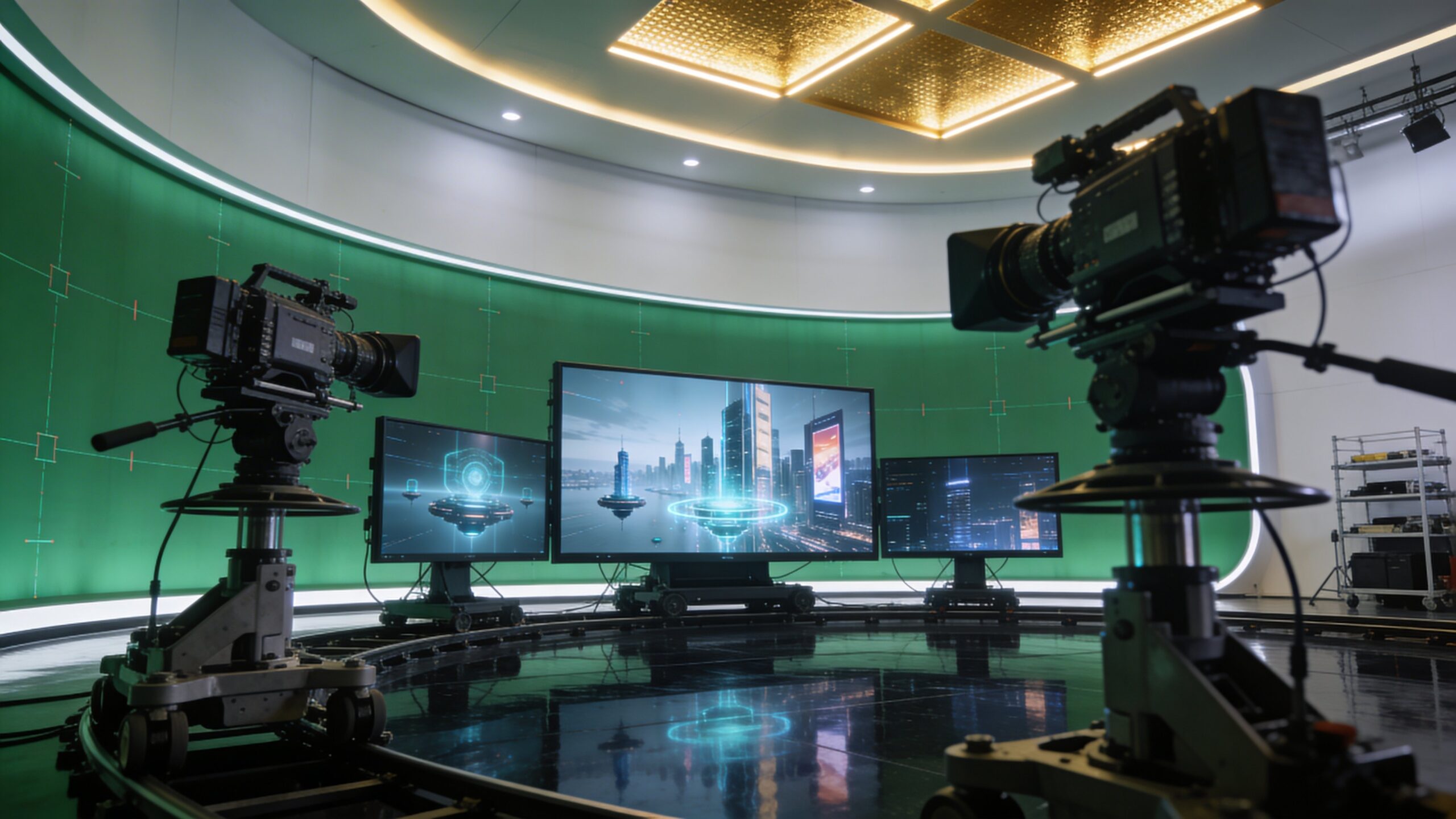
Virtual production has already transformed modern filmmaking by combining live-action performance with real-time digital environments. Machine learning strengthens that transformation by improving how these systems track movement, simulate environments, and respond to creative input. On virtual sets, machine learning can help refine real-time background generation, improve camera tracking, enhance depth estimation, and support more realistic lighting interaction between performers and digital worlds. This matters because directors increasingly want to make creative decisions while a scene is being shot, not months later in post-production. Machine learning helps bridge that gap by making virtual environments more responsive, believable, and adaptable. Instead of waiting for a rough concept to become a polished effect later, filmmakers can see stronger approximations in the moment. That allows for more confident directing, more natural performances, and a tighter relationship between what is imagined and what is captured on set. In practical terms, it means the wall between production and post-production becomes less rigid, and creative feedback loops become faster.
Visual Effects Workflows Are Becoming More Intelligent
Visual effects are one of the clearest areas where machine learning is reshaping film creation. Traditional VFX workflows involve labor-intensive tasks such as rotoscoping, match moving, background replacement, cleanup, facial tracking, object segmentation, and compositing. Machine learning tools can dramatically accelerate many of these processes. By recognizing shapes, edges, motion, and depth, they can separate characters from backgrounds, track features across frames, upscale imagery, remove noise, and fill in missing visual information with far less manual effort.
This does not eliminate the need for artists. In fact, skilled VFX artists are often more important than ever because they must guide, correct, and refine machine-assisted outputs. What changes is the speed and flexibility of the pipeline. When artists spend less time on repetitive frame-by-frame labor, they can focus more on realism, style, and integration. Machine learning also helps smaller studios achieve results that once required enormous teams, which can make sophisticated visual storytelling more accessible across the industry. As the tools improve, the balance between automation and artistry will remain critical, but the creative potential is already significant.
Editing With Speed, Searchability, and Creative Control
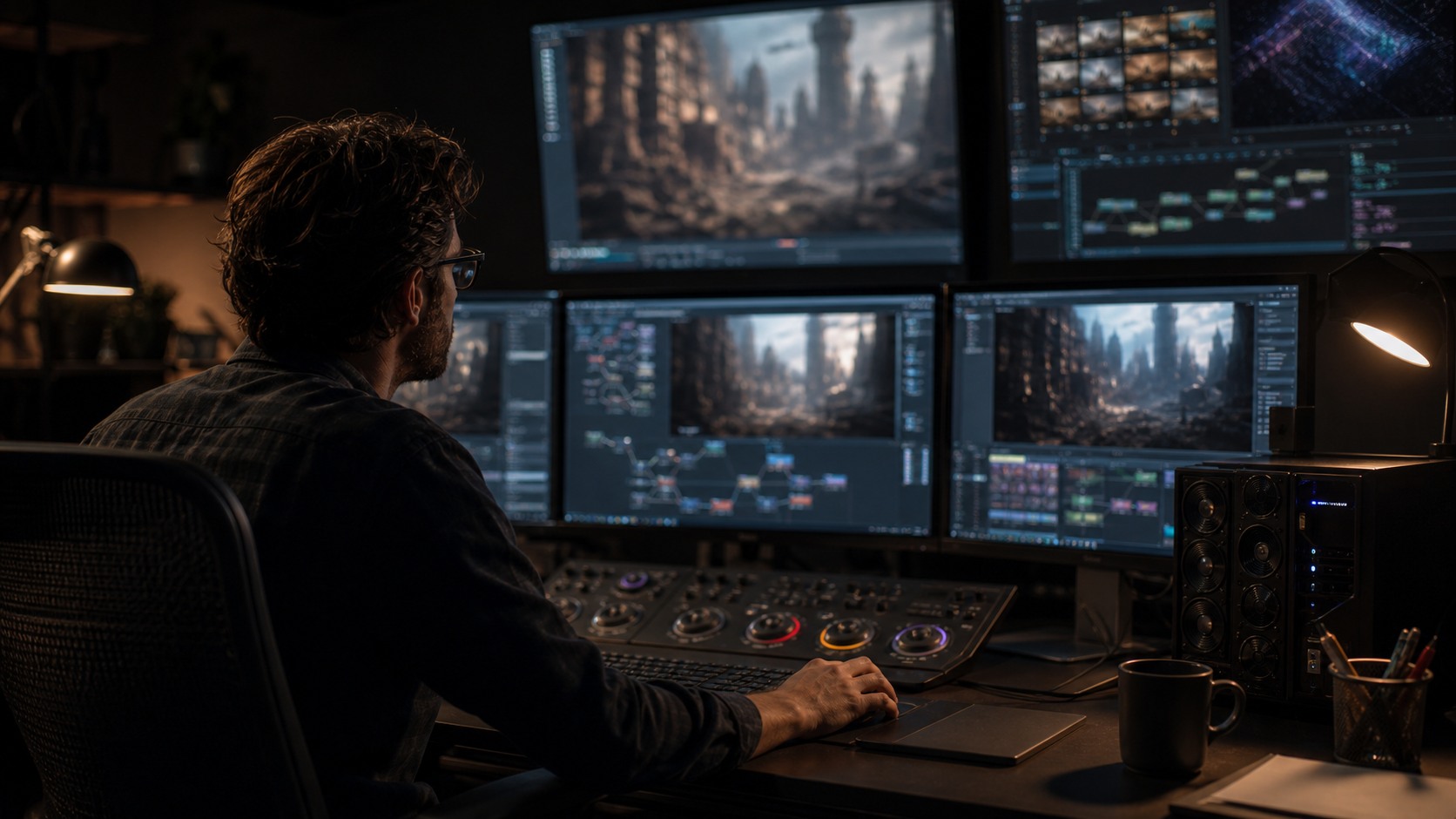
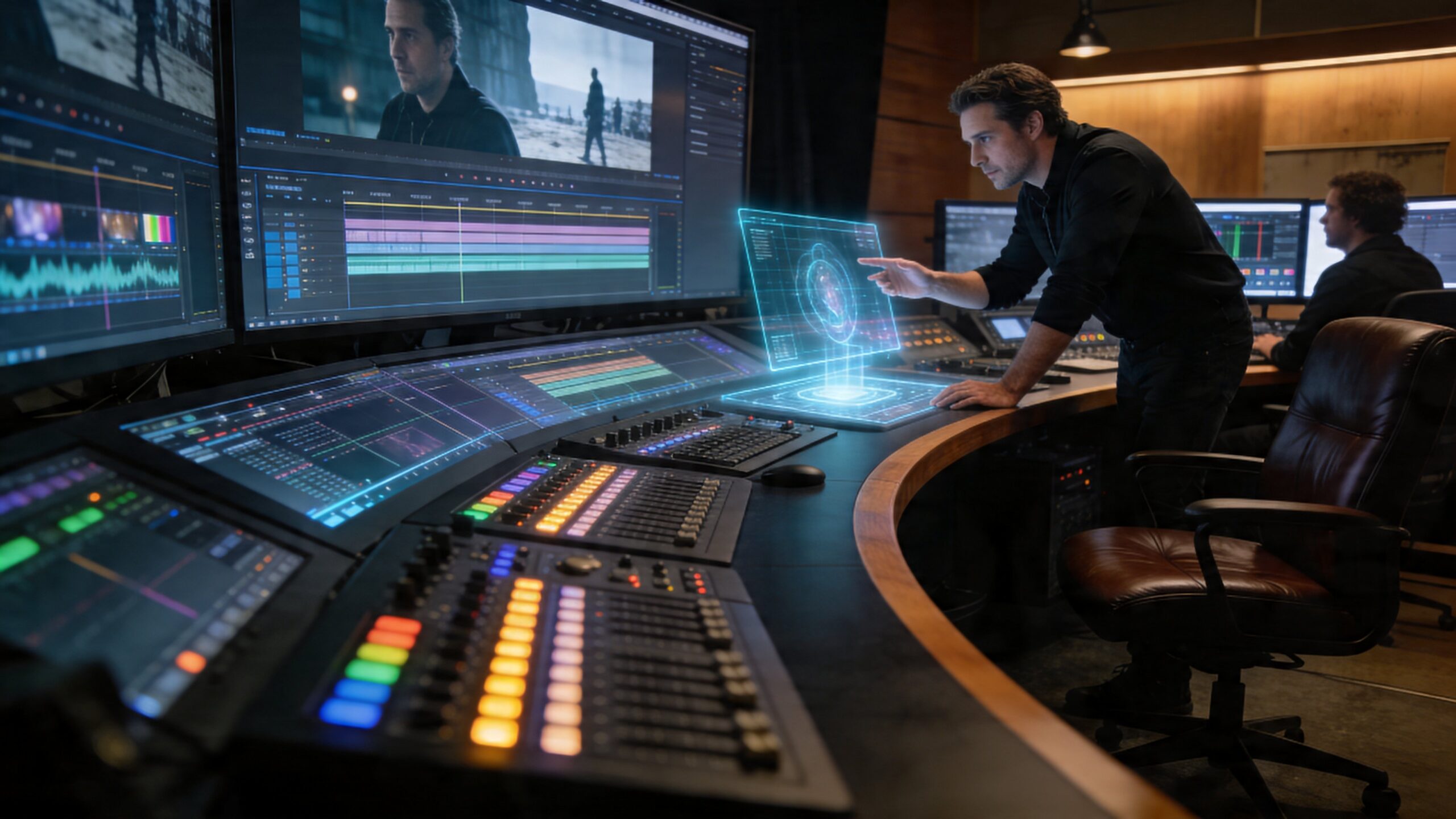
Editors shape the emotional rhythm of a film. They decide when a moment breathes, when tension rises, and when silence says more than dialogue. Machine learning does not replace that instinct, but it can give editors better tools to reach the strongest version of a scene. It can transcribe dialogue instantly, organize footage by speaker or emotion, detect duplicate takes, identify continuity issues, and make specific clips easier to find in massive editing bins. In documentary filmmaking, where hundreds of hours of footage may need to be reviewed, these capabilities are especially transformative.
Imagine searching not just for a line of dialogue, but for a moment when a character looks uncertain, laughs softly, or turns toward the camera under a specific lighting condition. Machine learning makes that kind of search increasingly possible. It can also help generate rough cuts, flag pacing imbalances, and suggest alternate insert points. The editor still makes the final call, but the time spent navigating material is reduced. That means more energy can go toward experimentation, subtlety, and narrative precision, which are the real marks of editorial craft.
Sound Design, Dialogue Cleanup, and Music Support
Sound is often the hidden power behind cinematic emotion. A scene can look beautiful, but without the right sonic texture it rarely feels complete. Machine learning is becoming an important tool in post-production audio because it can isolate dialogue, remove unwanted noise, enhance clarity, separate stems, and support sound matching across scenes. For productions dealing with difficult recording conditions, this can rescue performances that might otherwise be compromised by wind, traffic, hum, or overlapping sounds.
In sound design, machine learning can help classify effects, organize enormous audio libraries, and generate starting points for atmospheric textures. In music workflows, it can assist composers by analyzing mood, tempo, instrumentation, and scene timing. It might offer arrangement ideas, help match cues to edits, or suggest sonic palettes based on emotional intent. None of this replaces the composer’s ear or the sound designer’s imagination. But it can speed up exploration and remove technical bottlenecks, allowing more attention to be placed on emotional impact, which is where film sound truly comes alive.
Color, Restoration, and Image Enhancement
The visual identity of a film depends heavily on color and image quality. Machine learning is playing a larger role in color workflows by helping with shot matching, exposure balancing, grain management, resolution enhancement, and restoration. In archival cinema, this is especially exciting. Older films can be cleaned, stabilized, and enhanced with remarkable efficiency, allowing classic works to reach new audiences in stronger visual condition. In contemporary productions, machine learning can assist colorists by smoothing technical inconsistencies before the artistic grade begins.
That matters because color grading is about much more than correction. It is about emotional design. When the technical cleanup happens more quickly, colorists can focus on atmosphere, contrast, palette, and storytelling intention. A science fiction film may need a cold metallic tone with luminous highlights. A period drama may call for softness and warmth. A thriller may depend on controlled shadow and subtle desaturation. Machine learning can support the road to those choices without dictating them, which makes it a useful ally rather than a creative rival.
Machine Learning and the Democratization of Filmmaking
One of the most important effects of machine learning in film creation is that it lowers certain barriers to entry. Independent filmmakers, small studios, and emerging creators now have access to tools that can automate tasks once reserved for large productions with major budgets. Cleanup, captioning, visual organization, previs support, voice processing, and asset management can all become more affordable and accessible when machine learning is involved. This does not erase the challenges of filmmaking, but it can make ambitious projects more realistic for creators working outside traditional studio systems. That democratization may lead to a wider range of voices and styles in cinema. When technical obstacles become less overwhelming, more storytellers can experiment, iterate, and complete projects that might otherwise remain undeveloped. At the same time, access alone does not guarantee quality. Strong filmmaking still requires vision, discipline, and originality. What machine learning changes is the scale of possibility. It allows more people to try, to refine, and to compete creatively in ways that were once limited by infrastructure.
The Ethical Questions That Filmmakers Cannot Ignore
As machine learning grows more capable, the film industry must confront serious ethical questions. Training data, copyright, digital likeness, synthetic voices, and authorship are all major concerns. If a model is trained on creative work without permission, who benefits from the output. If an actor’s face or voice can be replicated, who controls that identity. If machine learning begins generating visual styles that closely resemble living artists, where is the line between inspiration and exploitation. These are not theoretical concerns. They are central issues for the future of creative labor and trust in the industry.
Filmmakers and studios will need clear standards, transparent consent practices, and thoughtful boundaries. Audiences may also demand honesty about how machine learning was used in production. The most sustainable future for this technology will not come from speed alone. It will come from responsible integration, where innovation respects artists, contracts, and human contribution. Machine learning can be an extraordinary tool, but only if the industry uses it with integrity.
The Future of Film Will Be Human and Intelligent
The role of machine learning in film creation is ultimately not about replacing directors, writers, editors, actors, or artists. It is about expanding what creative teams can do when they are supported by systems that can process scale, reduce friction, and reveal new pathways. The future of filmmaking will likely belong to those who understand how to use machine learning without surrendering taste, emotion, and storytelling purpose. Technology may help build worlds faster, organize chaos more effectively, and unlock new forms of visual expression, but it cannot feel wonder, grief, suspense, or love the way human beings do. Film is still a human art. What machine learning offers is leverage. It gives filmmakers sharper tools, faster workflows, and broader creative reach. It can help a small team think bigger and a large team move smarter. It can support experimentation while improving consistency. Most importantly, it can give storytellers more time to focus on what audiences remember most: unforgettable images, meaningful performances, and stories that stay with them after the credits roll. In that sense, machine learning is not the new director of cinema. It is the emerging collaborator that may help shape its next great era.