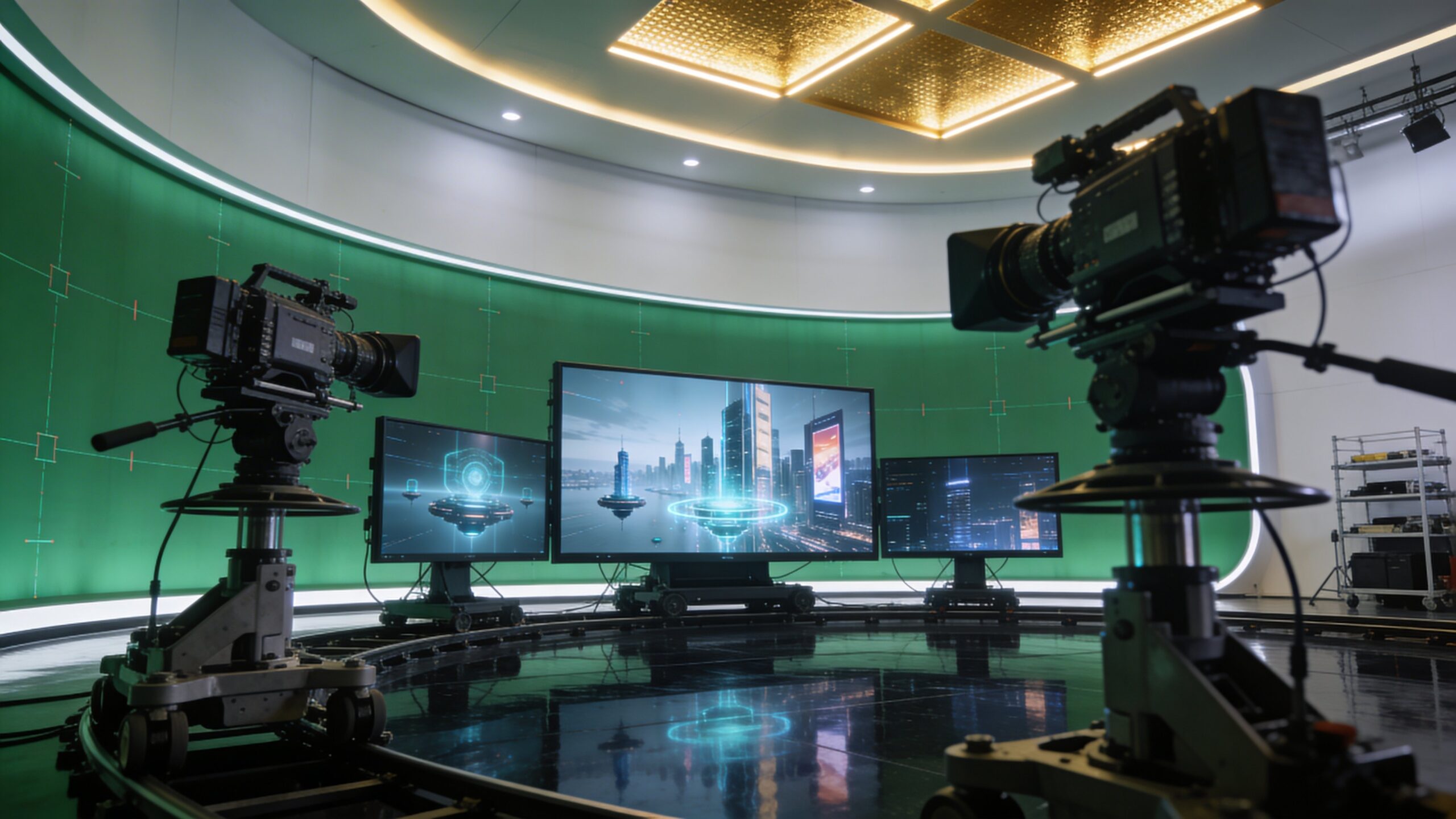
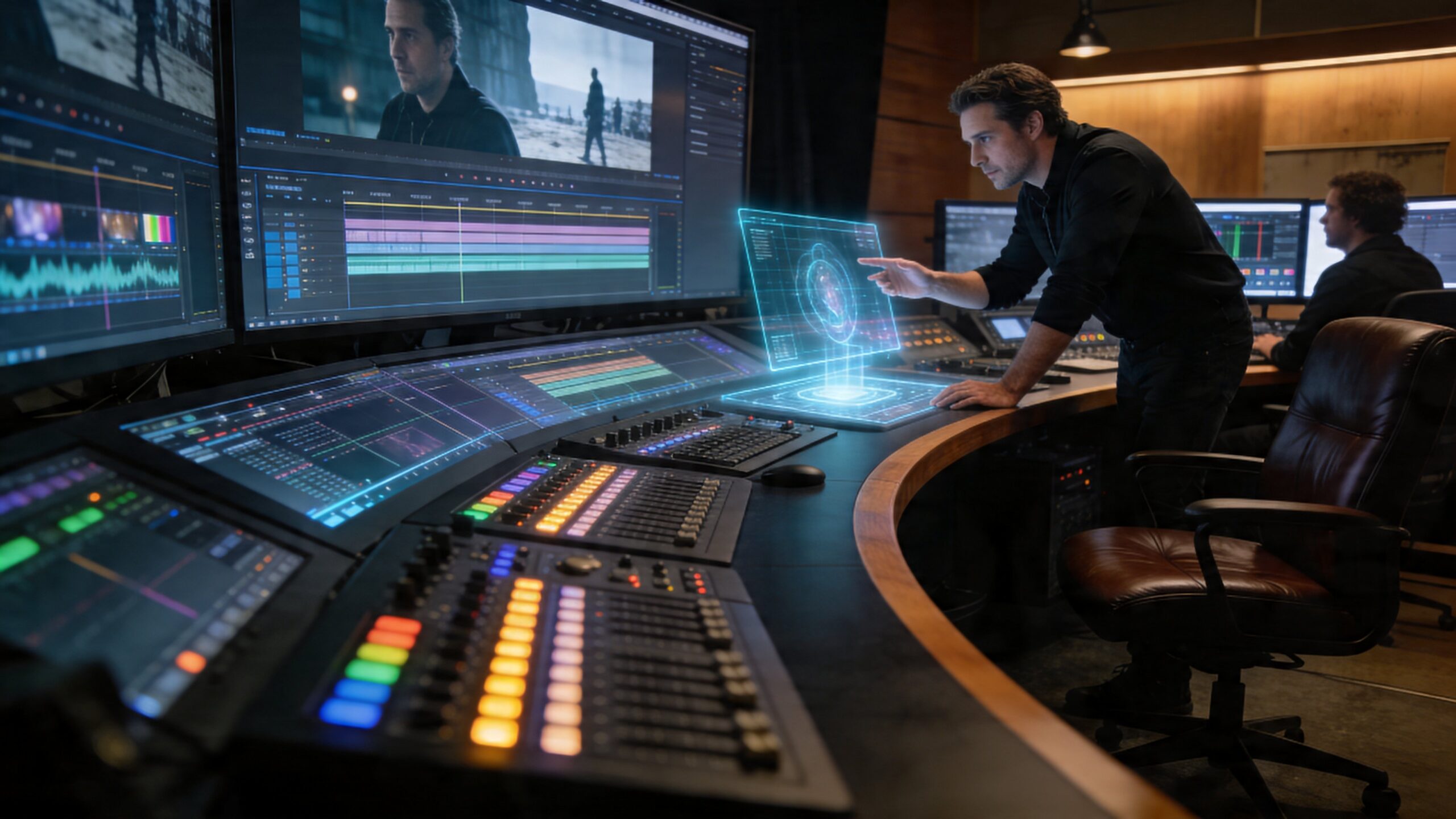
Filmmaking, a multifaceted art that blends creativity with technology, has always been at the forefront of innovation. From the early days of silent films to the rise of CGI in the 1990s, technological advancements have reshaped how films are made and experienced. Today, we find ourselves in the midst of a new transformation driven by Artificial Intelligence (AI). But how does AI compare with traditional filmmaking techniques? In this article, we’ll explore the differences and similarities between these two approaches, examining how AI is enhancing, disrupting, and transforming the industry.
A: No, most tools are designed for non-technical creatives.
A: No, it supports creative decision-making.
A: It can assist, but human storytelling is essential.
A: Many tools are affordable or subscription-based.
A: Yes, they are designed to be intuitive.
A: Only if used without intention.
A: Especially for editing, sound, and color.
A: No, refinement is part of the process.
A: Ownership depends on platform terms and creator input.
A: Faster iteration with creative control.
Traditional Filmmaking: The Foundations of Art and Craft
Before diving into AI’s impact, it’s essential to understand the traditional filmmaking process. Traditional filmmaking is a collaborative art that involves many people, from the director and screenwriter to the cinematographer, sound engineer, and actors. Each of these roles plays a pivotal part in creating the final product. Filmmakers rely on their instincts, creativity, and years of experience to shape the visual, auditory, and emotional elements of the film.
At the heart of traditional filmmaking is the human touch. The director interprets the script, guiding actors through performances and making aesthetic decisions based on their vision. Cinematographers and lighting designers work meticulously to craft the right mood, while editors piece the film together with careful consideration of pacing and rhythm. Every decision is rooted in human judgment, and much of the filmmaking process is hands-on. The practical nature of traditional filmmaking is also evident in the technical aspects, such as camera work, lighting, and sound recording. While digital cameras and editing software have revolutionized the industry, these tools are still operated and controlled by human hands, making the artistic element central to the process.
The Rise of Artificial Intelligence in Filmmaking
Artificial Intelligence is transforming many industries, and filmmaking is no exception. AI technologies are making their way into nearly every aspect of the filmmaking process, from pre-production to post-production. But how does AI work within this creative realm? In pre-production, AI can assist with scriptwriting by analyzing vast amounts of data from existing films and generating story ideas or even dialogue. AI can also help directors with casting by analyzing an actor’s previous roles and performances to suggest ideal candidates for specific roles. On the set, AI-powered cameras can assist with tracking shots or lighting adjustments in real-time, ensuring that filmmakers capture the perfect scene.
The real magic of AI is most evident in post-production. AI algorithms can rapidly edit a film, sorting through hours of footage to select the best takes. They can also assist in color correction, sound design, and even special effects creation. AI-powered tools like Deepfake technology can create hyper-realistic digital doubles, while AI-driven software can enhance visual effects in ways that were previously unimaginable. These tools can help filmmakers cut down on time and resources spent during editing, but they also raise important questions about authorship and authenticity in filmmaking.
Key Differences: AI’s Role vs. Traditional Techniques
One of the most noticeable differences between AI and traditional filmmaking is the speed at which tasks can be completed. In traditional filmmaking, editing a film can take months of painstaking work as editors sift through hundreds or thousands of hours of footage. AI can speed up this process by automatically sorting and selecting the best takes based on parameters like lighting, framing, and performance. AI can even assemble an initial cut of the film in a fraction of the time it would take a human editor.
In addition to editing, AI also assists with visual effects (VFX) creation. Traditionally, VFX artists would spend hours, days, or even weeks creating complex visual elements like explosions or digitally created environments. AI tools can now generate these effects quickly, often with a level of detail that would take human artists much longer to achieve. This has the potential to drastically cut costs and production times for filmmakers, particularly for independent creators working with smaller budgets.
Creative Control
While AI is great for speeding up tasks and automating repetitive aspects of filmmaking, one area where traditional filmmaking excels is in creative control. Filmmakers bring their own unique visions and artistic sensibilities to their projects, and traditional filmmaking allows for a high degree of personal input at every stage. Directors can communicate directly with actors to craft performances, and they can work closely with the cinematographer to adjust lighting and framing for the perfect shot. In contrast, AI is limited to the data and algorithms it has been trained on. While AI can produce aesthetically pleasing results, it lacks the depth of human creativity and emotional intuition. The role of the filmmaker is to make decisions that resonate with the audience on a personal level, something that AI, no matter how advanced, is still incapable of replicating. AI may be able to generate a scene that looks visually stunning, but it cannot inject the same emotional nuance that a human director can bring to the table.
Cost and Accessibility
Traditional filmmaking can be an expensive endeavor. Costs for hiring actors, securing locations, and employing a large crew can add up quickly. The expense of post-production, including editing, sound design, and visual effects, can be particularly prohibitive for independent filmmakers or small studios. In many cases, filmmakers must rely on a combination of budget constraints and available resources to achieve their desired outcome.
AI can reduce the cost of filmmaking by automating several aspects of the process. For example, AI-powered editing software can help independent filmmakers make professional-quality cuts without the need for a large, experienced editing team. Similarly, AI tools for visual effects can lower the cost of high-end graphics, making it possible for smaller studios to produce visually impressive content without needing to invest in costly post-production teams. This accessibility can democratize filmmaking, allowing aspiring filmmakers from diverse backgrounds to create content with a fraction of the budget that would have been required in the past. While AI may not completely replace the need for experienced crew members, it certainly levels the playing field, making filmmaking more affordable and open to a wider range of creators.
Ethical Concerns: AI’s Impact on the Human Element
As AI continues to make its mark on the filmmaking industry, there are growing concerns about its impact on the workforce. AI’s ability to automate tasks like editing, special effects creation, and even scriptwriting could result in fewer job opportunities for human filmmakers. While AI is unlikely to replace the role of the director or screenwriter, it could lead to a reduction in demand for certain technical positions, such as VFX artists or editors. Additionally, the use of AI in deepfakes and digital actors raises important ethical questions. The ability to digitally recreate an actor’s performance or generate synthetic voices has the potential for misuse, such as creating misleading content or using deceased actors in films without their consent. The debate around AI’s impact on the authenticity and integrity of filmmaking is an ongoing conversation within the industry.
Despite these concerns, AI is unlikely to completely replace the need for human involvement in filmmaking. Instead, AI will continue to serve as a tool that enhances human creativity, rather than replacing it entirely. Filmmakers will still need to oversee and guide AI-generated content to ensure that the final product reflects their vision and maintains its emotional resonance.
What’s Not Different: The Role of Storytelling
No matter how advanced technology becomes, the heart of filmmaking remains storytelling. Filmmaking, whether driven by AI or traditional methods, is about connecting with an audience, sparking emotion, and telling a compelling story. While AI can assist with editing, effects, and even script generation, it cannot replace the human element that drives a narrative.
A strong story is what captures an audience’s attention and keeps them engaged, and it is this emotional connection that filmmakers strive for, whether they are using traditional tools or AI-powered innovations. AI can help tell the story, but it cannot create the story itself. The script, the performances, and the direction are still the foundation of every film, regardless of the technology used to create it.
The Future of Filmmaking: A Harmonious Blend of AI and Tradition
As the technology surrounding AI continues to evolve, its role in filmmaking will undoubtedly expand. Rather than replacing traditional filmmaking techniques, AI will likely become an integral part of the process, working alongside human filmmakers to streamline production, enhance creativity, and push the boundaries of what is possible.
In the future, we may see AI and traditional filmmaking merge in new and exciting ways. Filmmakers could use AI to generate initial drafts of scripts, speed up the editing process, or create realistic visual effects that enhance their creative vision. Meanwhile, traditional filmmaking practices, with their emphasis on human creativity, emotional depth, and personal connection, will continue to play a critical role in shaping the final product. Ultimately, AI will not replace traditional filmmaking, but rather complement it. The future of filmmaking lies in the harmonious integration of both, creating a new era of innovation that is guided by both human creativity and cutting-edge technology.
Conclusion
In the battle of AI vs. traditional filmmaking, the true answer is not about one replacing the other, but rather how they can coexist and complement each other. While AI offers incredible advantages in speed, cost efficiency, and technical innovation, traditional filmmaking remains the cornerstone of artistic expression and emotional depth. As technology continues to evolve, the synergy between AI and traditional filmmaking will shape the future of cinema, creating opportunities for filmmakers to tell more compelling, visually stunning stories with fewer limitations. The result will be an exciting new chapter in the ongoing evolution of film.