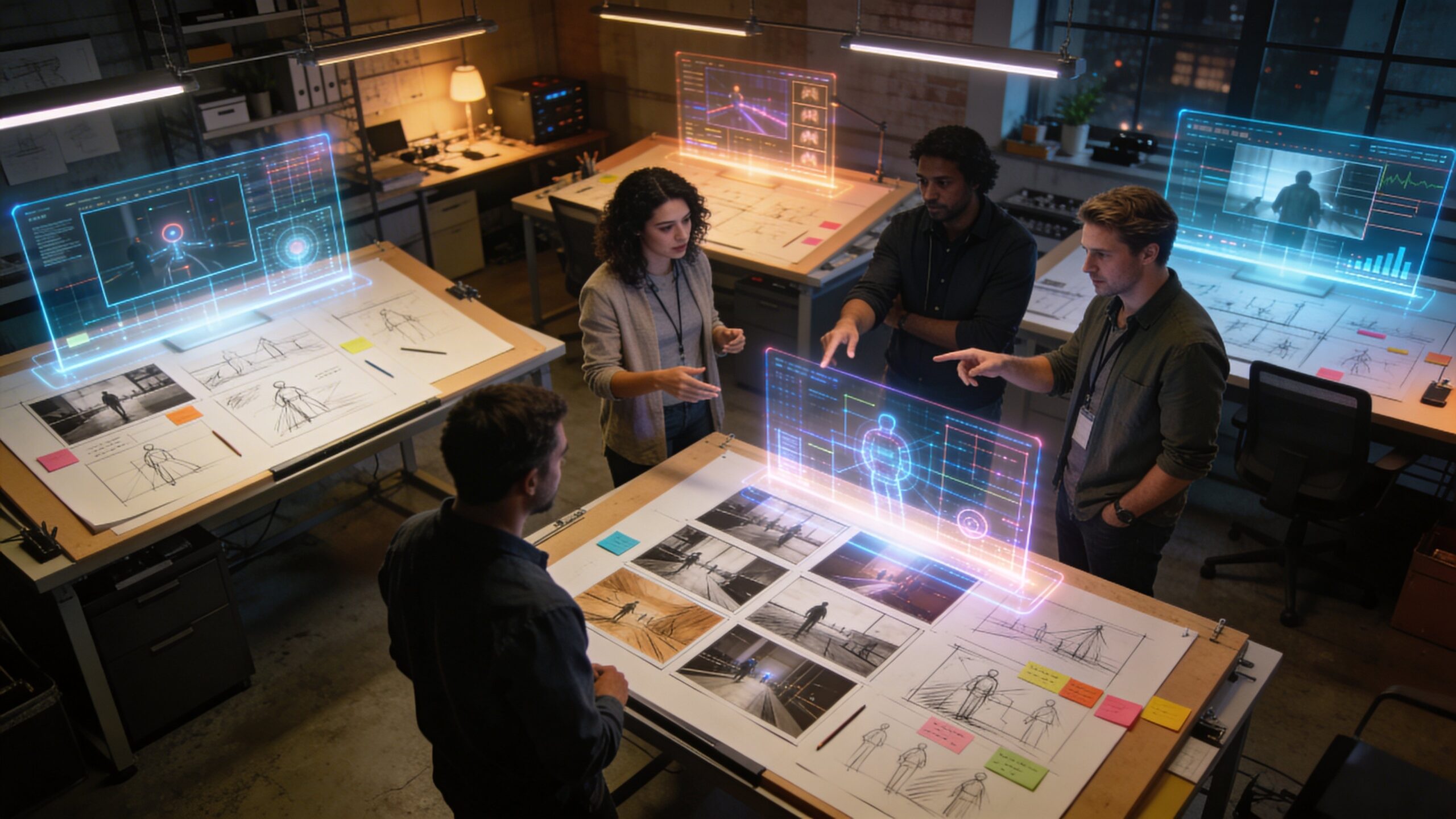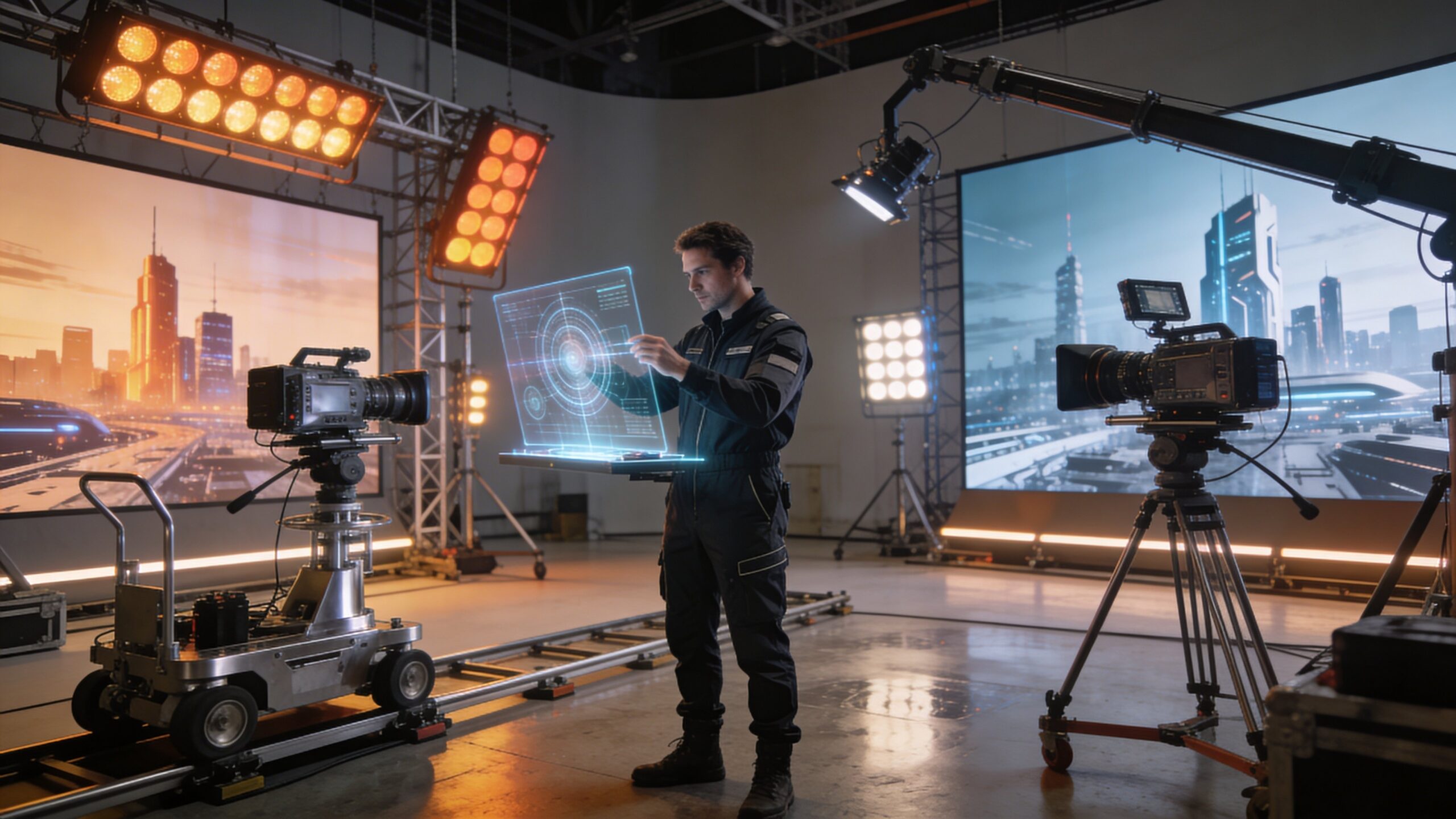
Artificial intelligence has become one of the biggest talking points in modern filmmaking, but for many people, the language around it still sounds confusing, technical, and overly futuristic. Terms like generative video, machine learning, voice cloning, motion capture enhancement, and AI-assisted editing can make it feel as though you need a computer science degree just to follow the conversation. The truth is much simpler. AI filmmaking tools are not magical robot directors taking over Hollywood. In most cases, they are software tools designed to help people create, organize, edit, enhance, and experiment faster than before. For filmmakers, content creators, marketers, students, and curious beginners, AI can feel like a new type of creative assistant. It can help brainstorm ideas, clean up audio, generate concept art, sort footage, create subtitles, improve visual effects workflows, and even assist with early cuts of a project. That does not mean it replaces human storytelling. It means it can reduce tedious tasks and open doors for people who once needed large budgets, large crews, or specialized technical training to get started. Understanding AI filmmaking tools in plain English matters because the technology is moving into every corner of media production. Whether someone is making a short film on a laptop, planning a branded video campaign, or simply trying to understand what filmmakers mean when they talk about AI-driven workflows, the basics are worth learning. Once the jargon is removed, the subject becomes far less intimidating and much more interesting.
A: No. They are mainly assisting with tasks like planning, editing, cleanup, and experimentation.
A: Captioning, transcription, and audio cleanup tools are often the easiest and most practical starting points.
A: It can generate drafts and ideas, but strong scripts still need human voice, judgment, and emotional depth.
A: Sometimes for stylized use, but many are still better for concepting, previs, and experimentation.
A: Often yes. Many tools can reduce noise, isolate dialogue, and enhance speech clarity.
A: It means making an early visual version of a scene to test how it might look before full production.
A: Yes. It can lower costs, save time, and help small teams work more efficiently.
A: Relying on it too heavily can lead to generic results, factual mistakes, or ethical problems around consent and ownership.
A: Yes. It is widely used for caption creation, transcript editing, and multilingual versions of video content.
A: Begin with support tasks that save time, then keep creative decision-making in human hands.
What AI Means in Filmmaking
At its core, AI in filmmaking refers to software that can analyze patterns, make suggestions, automate tasks, or generate new content based on examples and instructions. In plain English, it means the software has been trained to recognize certain kinds of information and respond in useful ways. For example, an AI tool can learn what speech sounds like and turn spoken dialogue into captions. It can learn what shaky footage looks like and stabilize it. It can learn how faces move and help animate digital characters more naturally. This is different from old-fashioned automation, where software simply follows rigid commands. AI tools often feel more flexible because they are built to interpret data and produce a result that resembles human decision-making. Still, they are not actually thinking like people. They are processing patterns at high speed and giving outputs based on probabilities, training data, and prompts. In filmmaking, that matters because production involves thousands of little choices. Which take sounds cleaner. Which scene matches the tone of the script. How should the lighting concept look before a set is built. How can a rough voice track be improved. AI tools step into those moments to save time, lower costs, or expand creative options. The best way to think about them is not as replacement artists, but as specialized assistants for different parts of the filmmaking pipeline.
The Main Jobs AI Tools Can Handle
One of the easiest ways to understand AI filmmaking is to group the tools by job. Some tools help before filming begins. Others help during production. Many are most useful after the shoot, when editing and finishing become the focus. In pre-production, AI can help writers brainstorm story ideas, generate treatments, create pitch decks, design concept art, or build early shot lists. This does not mean the software writes a masterpiece on its own. It means it can help creators move from a blank page to a working draft much faster. It is especially useful for turning vague ideas into something visual and shareable.
During production, AI tools are often more subtle. They may help with camera tracking, virtual production environments, on-set previs, live background generation, transcription of interviews, or automated logging of takes. On a busy set, that kind of support can save hours. In post-production, AI becomes even more visible. Editors can use it to search footage, remove background noise, create captions, translate dialogue, upscale older clips, isolate subjects from backgrounds, retime shots, generate temp music, or make quick version edits for different platforms. This is where many filmmakers first encounter AI in a practical way, because the benefits are immediate and easy to measure.
AI Writing and Story Development Tools
For script development, AI tools are often used as idea partners rather than final writers. A filmmaker might ask a tool to generate alternate scene setups, improve pacing in a dialogue exchange, summarize a treatment, or suggest ways to raise tension in the second act. In plain English, this is like having a fast brainstorming partner that never gets tired. That said, good storytelling still depends on taste, emotion, and point of view. AI can suggest structure, but it cannot truly understand lived experience in the way a human writer can. It can imitate patterns from scripts it has learned from, but it does not feel heartbreak, suspense, regret, or ambition. Because of that, its best use is often supportive. It helps speed up exploration, but the human creator still shapes the voice and the meaning. This can be especially valuable for beginners who feel intimidated by writing from scratch. An AI tool can help organize thoughts, simplify complex ideas, or turn a rough concept into an outline. For experienced filmmakers, it may be more about testing possibilities quickly. Either way, the tool becomes useful when it pushes the work forward rather than taking creative control away.
AI Image and Concept Design Tools
Before a movie is ever shot, people need to imagine what it might look like. That is where AI image tools can be powerful. These tools take written prompts and turn them into visual concepts, mood frames, costume ideas, set references, or environment sketches. In simple terms, they let filmmakers describe a look in words and receive images that help define the project’s style. This can speed up pre-production in major ways. A director can show a producer a rough visual direction. A production designer can explore color palettes. A cinematographer can experiment with atmosphere before stepping onto a real set. It is not the same as final art direction, but it helps creative teams think visually much earlier in the process.
There are also limits. AI-generated images may look impressive while still making design mistakes. Hands may look wrong. Objects may blend together oddly. Architecture may be unrealistic. Clothing details may shift from one frame to another. That is why these tools are often strongest for inspiration and communication rather than precise final execution. They are useful for saying, “Here is the mood,” not always, “Here is the exact finished design.”
AI Video Generation and Previsualization
One of the most talked-about areas in AI filmmaking is video generation. These tools can create short clips from text prompts or still images, helping users visualize scenes without filming them traditionally. This sounds revolutionary because it is. It allows creators to test movement, atmosphere, and visual ideas before renting gear or booking locations. For filmmakers, AI video generation is often most helpful in previsualization. Imagine trying to pitch a science-fiction scene with a floating city, strange weather, and futuristic vehicles. Building that scene for a test shoot would be expensive. An AI video tool may provide a rough version that helps a team understand tone, framing, and energy. It becomes a sketchbook for motion instead of a final replacement for cinematography.
The outputs still vary in quality. Some generated clips look cinematic at first glance but break down under close inspection. Motion can warp. Physics can feel strange. Continuity may drift. Characters may not remain consistent across shots. So while the technology is exciting, it is best understood as a fast visual prototyping tool for now, especially for ideation, pitching, and experimentation.
AI Editing Tools Made Simple
Editing software has quietly become one of the biggest homes for AI in filmmaking. Many tools now include features that can automatically detect cuts, transcribe dialogue, identify speakers, organize clips by subject, or even suggest rough edits. In plain English, AI editing tools help sort through the mess of raw footage and make it easier to find what matters.
This is especially helpful in documentary work, interviews, podcasts, and long-form projects with huge amounts of material. Instead of scrubbing through hours of footage, an editor can search for a word or phrase in the transcript and jump straight to the moment it was spoken. That changes the speed of the workflow dramatically. Some AI tools also help with tedious cleanup. They can remove filler words, reduce pauses, resize clips for social formats, or generate instant subtitles. These features do not replace editors. They simply free editors from repetitive tasks so they can focus on rhythm, emotion, performance, and narrative shape. The human sense of timing still matters. AI helps clear the path.
AI Audio Tools and Voice Technology
Sound is one of the areas where AI tools already feel incredibly practical. Audio cleanup software can remove background hum, wind noise, traffic sounds, echo, or microphone issues in ways that once required advanced knowledge or expensive post-production. For independent filmmakers, that can be a game changer.
AI can also help separate dialogue from music, enhance voice clarity, generate transcripts, translate speech, and create temporary voice tracks. Some tools can even clone voices or generate realistic narration from text. That raises both exciting possibilities and ethical concerns. On one hand, it can speed up scratch tracks, dubbing experiments, and accessibility workflows. On the other hand, it raises questions about consent, performer rights, and authenticity. For most creators, the safest and smartest approach is to use AI audio tools to enhance clarity and efficiency, not to disguise or manipulate reality without permission. Used well, these tools help filmmakers rescue difficult recordings and make projects sound far more polished than their original budget might suggest.
AI Visual Effects and Post-Production Support
Visual effects used to demand highly specialized teams, but AI is beginning to make some parts of the process more accessible. Tools can help with background removal, object tracking, rotoscoping, face cleanup, frame interpolation, upscaling, and style matching. In plain English, they can help isolate people from backgrounds, follow movement across a shot, sharpen footage, or smooth difficult visual edits.
This does not mean blockbuster effects have become effortless. High-end VFX still depends on skilled artists and detailed pipelines. But AI can reduce some of the most labor-intensive parts of the process. Rotoscoping, for example, has traditionally required painstaking frame-by-frame work. AI-assisted tools can now speed that up significantly, letting artists refine rather than build every mask from scratch. For indie creators, this makes visual ambition more realistic. A small team can attempt shots that once felt out of reach. It is not because AI instantly creates perfect effects. It is because it handles part of the heavy lifting, giving artists more room to focus on the finishing touches that actually sell the illusion.
What AI Still Cannot Do Well
With all the excitement around the technology, it is important to be honest about its weaknesses. AI still struggles with consistency, emotional nuance, logic, and true originality. It can mimic styles and structures, but it often produces work that feels generic or slightly off. A generated idea may look polished without actually saying anything meaningful.
That matters in filmmaking because movies are not just assembled from technically correct pieces. They depend on human intention. A great scene works because of subtext, tension, memory, contradiction, and performance. AI can help support those layers, but it usually cannot invent them with the depth and specificity of a skilled creator. It also makes mistakes confidently. It may generate incorrect details, strange visuals, awkward dialogue, or misleading research summaries. That means filmmakers need judgment. AI outputs must be reviewed, edited, and challenged. The smartest creators do not hand over control. They use the tool, study the result, and improve it with taste and critical thinking.
The Ethics Behind AI Filmmaking
As AI filmmaking tools grow more powerful, the ethical questions become harder to ignore. One major concern is training data. People want to know where the tool learned its style, its image patterns, or its writing habits. If artists’ work was used without clear permission, that creates real tension around fairness and ownership. There are also concerns about deepfakes, voice cloning, performer likeness rights, and creative labor. If an actor’s face or voice can be simulated, who controls that use. If a studio automates part of the creative process, what happens to entry-level jobs that once trained future editors, artists, and assistants. These questions are not minor side notes. They are central to the future of the industry.
For filmmakers using these tools, transparency and consent matter. It is wise to think carefully about how AI is being used, whose work may be involved, and whether the output crosses a line from assistance into deception or exploitation. Technology moves fast, but trust moves slowly. The most respected creators will likely be the ones who use AI boldly while still honoring ethics, credit, and human contribution.
Why AI Is Expanding Access to Filmmaking
One of the most exciting parts of AI filmmaking is how it lowers barriers for new creators. People who once needed expensive crews, advanced software training, or large post-production budgets can now do more on their own. They can build mood boards faster, generate subtitles instantly, clean noisy dialogue, create test visuals, and organize their footage with far less friction. That does not remove the need for talent. It shifts where effort goes. Instead of spending all day on technical cleanup, creators can spend more time developing ideas, directing performances, and refining their point of view. In that sense, AI can democratize parts of the process. It gives smaller teams a stronger starting point.
For students, emerging directors, YouTubers, and indie producers, this can be transformative. They may not have a full studio behind them, but they can still present their ideas with greater polish. In many cases, AI does not make the creative work easy. It makes it more reachable.
How to Use AI Filmmaking Tools Wisely
The best approach to AI in filmmaking is practical rather than extreme. It is not necessary to worship the technology or fear it blindly. A smarter path is to ask simple questions. What task is slowing down the workflow. What step could be improved with assistance. What parts of the project still demand a human eye, ear, and heart.
For many creators, the most effective AI workflow begins with support tasks. Use AI to transcribe interviews, generate captions, remove noise, organize footage, mock up concepts, or brainstorm visual directions. Let it handle the repetitive parts first. Then keep the human touch in the places where emotional intelligence and artistic intention matter most. That balance is where AI becomes truly useful. It should not flatten creativity into sameness. It should give creators more freedom to focus on what makes their work distinct. The tool is strongest when it saves time without stealing identity.
The Future of AI in Movies
AI filmmaking tools will almost certainly become more common, more polished, and more integrated into everyday software. What feels advanced today may soon feel ordinary. Automatic transcription, smart masking, voice cleanup, scene search, and generative concept art are already becoming normal parts of the creative process. The bigger question is not whether AI will be part of filmmaking. It already is. The real question is how filmmakers will shape its role. Some will use it to cut corners. Others will use it to expand imagination. Some will create generic content faster. Others will create more ambitious work because they finally have access to tools that help them compete. In plain English, AI filmmaking tools are best understood as amplifiers. They can amplify speed, efficiency, experimentation, and sometimes even beauty. But they also amplify the intentions of the person using them. In the hands of a thoughtful filmmaker, AI can become a bridge between a raw idea and a finished story. In the hands of someone careless, it can produce empty noise. The technology matters, but the human behind it still matters more.