AI Shot Lists Can Speed Up Planning, But They Still Need Directing Judgment
AI-generated shot lists can make pre-production move faster by turning scripts, scene beats, references, and coverage goals into an early shooting plan. That speed is useful because shot lists sit at the intersection of directing, cinematography, scheduling, editing, and budget. A model can suggest masters, close-ups, inserts, reactions, transitions, and camera movement quickly. The director still has to decide which shots matter, which shots are optional, and which shots would waste time. Used well, AI creates a faster first pass. Used carelessly, it creates a longer list that looks organized but does not understand the scene.
Start With the Scene Beat
A shot list should begin with the scene beat, not with camera angles. The director needs to know what changes in the scene and what the audience must understand by the end. AI can summarize a script page, but the human team should define the beat before accepting any shot suggestions.
If the beat is a discovery, the shot list should protect the reveal. If the beat is a power shift, the coverage should show who gains or loses control. Without that story anchor, AI may generate a technically complete list that misses the emotional center.
This is the first review filter. Every shot should have a job. If the job is unclear, the shot belongs in the optional pile or should be removed entirely.
How AI Builds a First Pass
An AI system can read a scene description and identify characters, location, action, props, dialogue beats, and possible coverage needs. From there, it may suggest wide shots, medium shots, close-ups, inserts, and transitions. That first pass can save time because the director is no longer starting from a blank page.
The first pass should not be treated as the final plan. It is a rough map. Some shots will be redundant, some will be too expensive, and some will misunderstand the scene. The value is that the team now has something concrete to critique.
A good pre-production process turns the AI list into a director-approved list. The model suggests; the team edits.
Coverage Planning
Coverage is where AI-generated shot lists can help most. A scene may need a master, clean singles, over-the-shoulder shots, reactions, inserts, or a moving shot that carries the scene in one setup. AI can quickly propose several coverage paths.
The director and cinematographer should compare those paths against the edit. Does the editor need a reaction. Is the geography clear. Does the sequence need a cutaway to compress time. Does the master actually serve the scene, or is it only there because lists often begin with masters.
AI can produce coverage volume. Filmmakers need to turn volume into coverage strategy.
Shot Priority Levels
Every AI-generated shot list should be sorted by priority. Essential shots carry the scene. Helpful shots improve rhythm or coverage. Optional shots are captured only if time allows. This hierarchy is more useful than a flat list of angles.
Priority levels protect the shoot day. When time gets tight, the assistant director and director can see what must be preserved. The team can drop optional polish without losing the scene's meaning.
AI can help propose the hierarchy, but the director should approve it. Only the director knows which image the scene cannot live without.
Camera Movement Suggestions
AI may suggest push-ins, tracking shots, pans, handheld coverage, or locked-off frames. These suggestions can be useful, but camera movement should be motivated. A move should reveal, follow, pressure, connect, or withhold information.
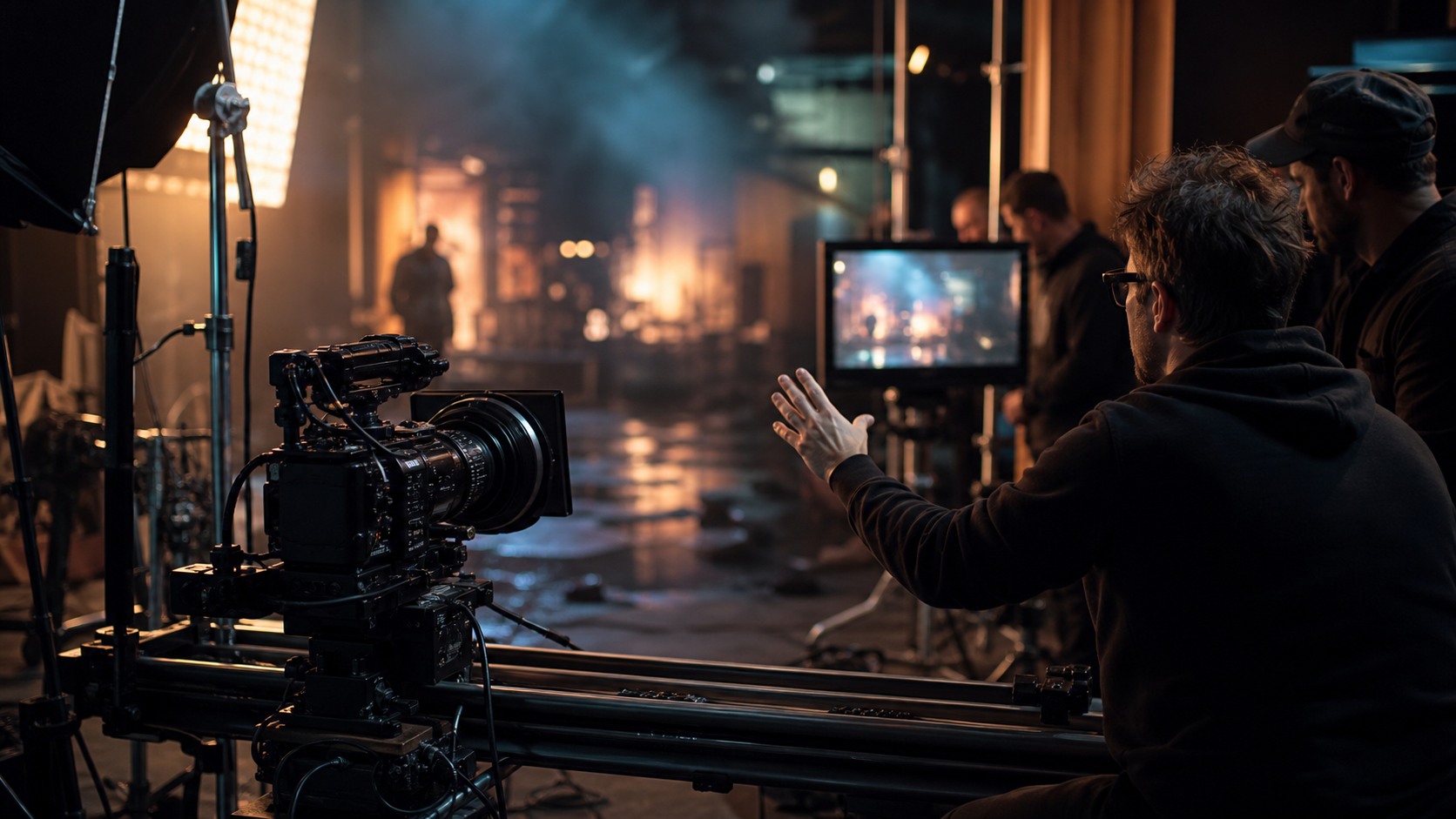
The cinematographer should review whether each move is feasible in the location. A generated shot list may imply gear, space, and time the production does not have. A complicated move can often become a simpler pan, reposition, or cut if the story job is clear.
The question is not whether the move sounds cinematic. The question is what the move does.
Scheduling Awareness
Shot lists affect scheduling because every setup costs time. AI can help group shots by location, direction, lighting setup, character presence, or camera position. This can make the list easier for an assistant director to organize.
The production team still needs to judge reality. A model may not know the location's power limits, noise windows, actor availability, company moves, or safety requirements. Those constraints can change the best order.
A useful AI list is schedule-aware but not schedule-final. It gives the assistant director material to refine.
Editing Needs
Editors can often spot missing coverage before production. A generated shot list should be reviewed with the edit in mind: entrances, exits, reactions, inserts, transitions, and moments where time may need to compress.
AI may include standard coverage while missing the one image that makes a cut work. For example, a character's silent reaction may matter more than another angle on dialogue.
The best shot lists include editorial insurance without encouraging overshooting. The goal is enough material, not every possible angle.
Department Review
A shot list is also a department communication tool. Cinematography sees gear and light. Sound sees microphone challenges. Production design sees props and set dressing. Stunts see safety. Producers see time and cost.
AI-generated lists should be reviewed by key departments before they are treated as production instructions. A shot may look simple in text but imply a lighting reset, special rig, or safety meeting.
This review turns a fast first pass into a responsible plan.
Avoiding Shot List Bloat
AI can create more shots than the scene needs. This is a common failure because models tend to be helpful by adding options. A long list can feel professional while quietly making the shoot harder.
Directors should remove repeated shots, decorative inserts, unnecessary reverses, and angles that do not change the audience's understanding. Fewer shots can create a stronger scene when they are chosen well.
The best list is not the longest list. It is the list that protects the scene under real production pressure.
Location Scouting Changes Everything
A shot list drafted before scouting is provisional. Real rooms, light, entrances, textures, sound, and space will change what is possible. AI can prepare a plan, but the location often improves or challenges that plan.
After scouting, the list should be revised. A window may create a stronger key light. A hallway may make a tracking shot impossible. A doorway may give the scene a better frame than anything in the first draft.
This revision is not a setback. It is the moment where planning meets filmmaking.
Using AI During Prep Meetings
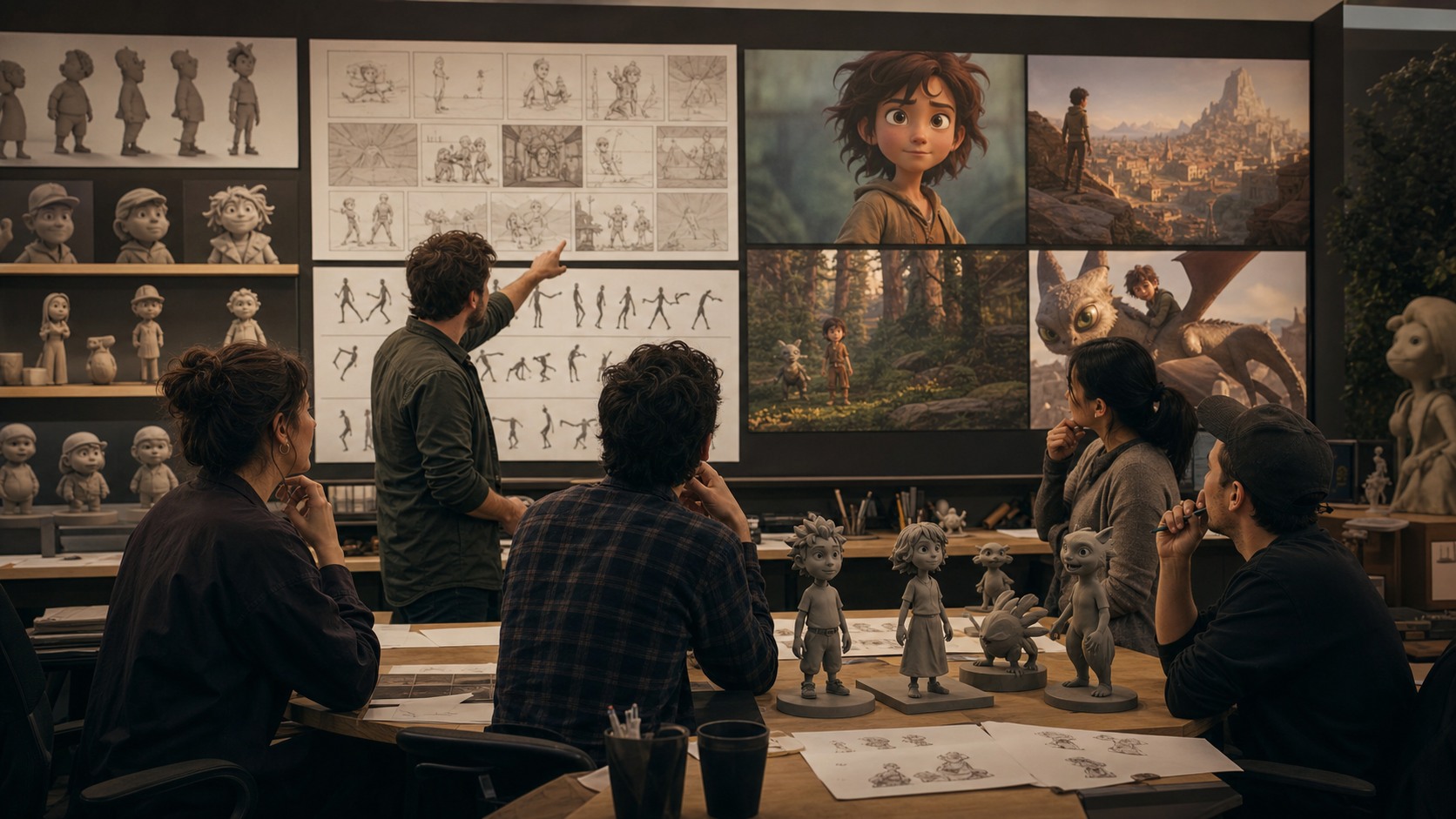
AI-generated shot lists can make prep meetings more concrete. Instead of discussing coverage in vague terms, the team can look at a proposed list and mark what works, what fails, and what needs a location answer.
The director should keep the meeting focused on decisions. Which shots are essential. Which shots need gear. Which shots are risky. Which shots can be simplified. The list becomes a shared object for collaboration.
This is where speed becomes useful. The model made the starting point quickly, and the people make it filmable.
Matching the List to Performance
Performance can change the best shot list. A scene that looked like it needed heavy coverage on the page may become stronger when the actor carries the emotional turn in one sustained frame. Another scene may need more reaction coverage because the performance reveals tension in silence rather than dialogue.
Directors should leave room for discoveries in rehearsal. AI can help prepare options, but it cannot know which glance, pause, or physical adjustment will become the heart of the scene. The list should guide the day without trapping the performance.
This matters especially on lower-budget shoots, where the team may not have time to cover every possibility. The director needs to know which shots protect the actor's best work and which shots only satisfy a generic coverage habit.
Version Control for Shot Plans
AI-generated shot lists can change quickly as the script, location, cast, and schedule evolve. That makes version control important. A crew should know whether it is looking at the writer's early breakdown, the director's preferred list, the cinematographer's revised coverage, or the assistant director's shooting-order version.
Confusion here can waste time on set. If one department prepares for a crane shot while another assumes handheld coverage, the list has stopped helping. Clear naming, dates, and approval status keep the fast planning process from becoming a communication problem.
Budget Reality
Every suggested shot has a cost. Even a simple insert can require prop reset, focus adjustment, lighting attention, continuity review, and a few minutes the day may not have. AI does not automatically feel that cost because text makes all shots look equally easy.
Producers and assistant directors should review the list for hidden expense. A shot that requires a company move, vehicle lockup, special effect, stunt pad, or extra background coordination may need to become an alternate idea rather than a default plan.
The most useful AI workflow is not about making the longest menu of possibilities. It is about helping filmmakers reach a shorter list of shots they can actually protect.
Keeping the Director's Intent Visible
The final shot list should make the director's intent visible to the crew. That does not mean every emotional idea needs to be written out, but the list should reveal why the day is being organized a certain way. If a close-up is essential because it carries the moment of betrayal, the team should know it is not optional polish.
AI can help arrange shots, but intention has to be added by the filmmaker. A list without intention can become a checklist. A list with intention becomes a practical expression of the scene's meaning.
This is also helpful when compromises happen. If rain, schedule pressure, or location limits force changes, the team can preserve the shots that matter most because the creative priority is clear.
A short intent note can be enough: protect the reveal, isolate the character, preserve geography, hold for discomfort, or sell the transition. Those phrases give departments a reason behind the setup. They also help the director avoid approving a shot simply because the AI included it in a polished list.
The intent note can travel into call sheets, look books, and prep conversations. That continuity keeps the AI-assisted plan connected to the film rather than to the tool that produced the first draft.
The Practical Takeaway
AI-generated shot lists are valuable when they create a fast, editable first pass for scene coverage. They can help identify shots, organize priorities, and prepare department conversations.
They are risky when they produce bloated lists, generic coverage, or camera moves without purpose. A shot list is only useful if it serves the scene and can survive the schedule.
The best teams treat the generated list as prep material, then keep refining it through rehearsal, scouting, department review, and the assistant director's schedule logic. That turns machine speed into practical readiness instead of noisy overplanning.
Use AI for speed, then use directing judgment, cinematography review, editing logic, and production reality to decide what actually gets shot on set during the shoot.