AI Gives Directors a New Planning Layer
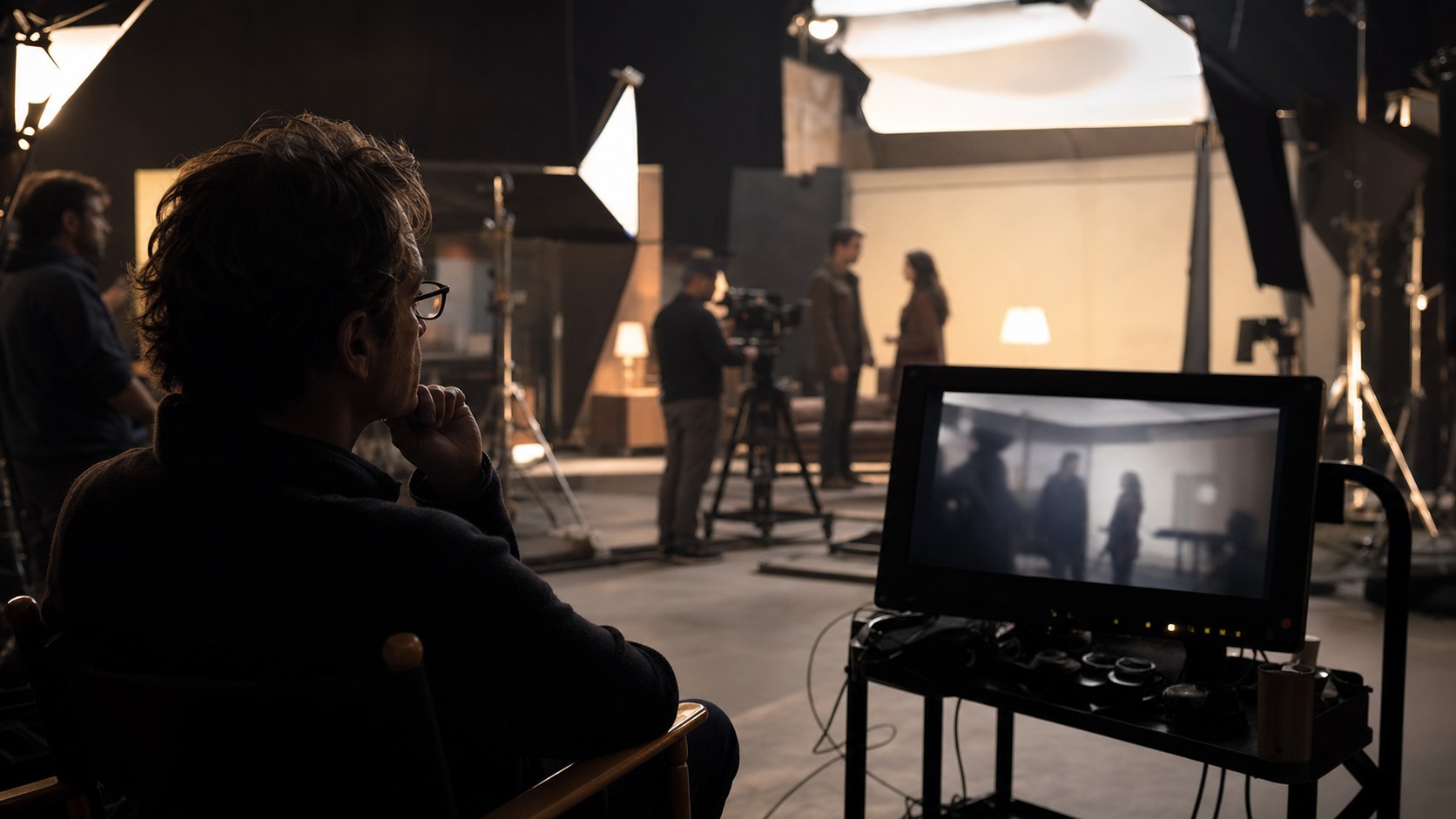
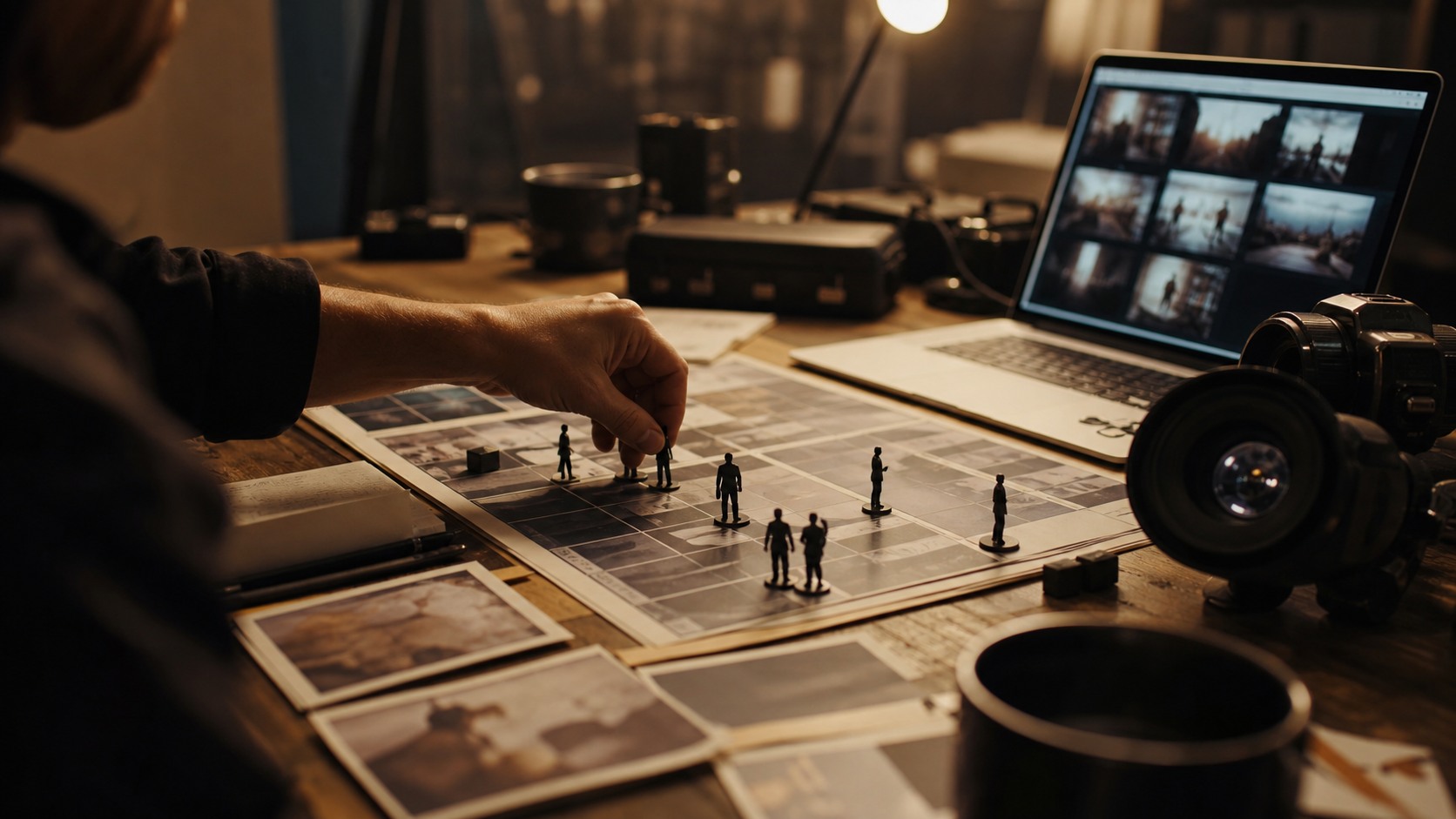
Directors use AI to plan scenes, shots, and performances by turning early uncertainty into material they can inspect. A scene can be summarized, a shot idea can be visualized, a rehearsal note can be organized, and a coverage plan can be tested before the shoot day begins. None of this removes the director's central job. The director still has to understand the scene, guide actors, choose emphasis, and respond to what happens on set. AI is useful when it helps the director arrive with sharper questions and a more flexible plan.
Starting With the Scene
A director often begins by asking what the scene changes. Does a character gain power, lose trust, discover a truth, or hide something important. AI can help organize these possibilities by summarizing the scene, identifying emotional turns, or listing practical questions. That can be especially helpful when the script is long or the production schedule is crowded.
The director should treat that analysis as a starting point. If the tool describes the scene differently than the director feels it, the disagreement is worth examining. Maybe the script is unclear. Maybe the prompt missed context. Maybe the director has found a more interesting reading. The value is in forcing the intention into language.
Once the scene purpose is clear, every shot and performance choice can be judged against it. A beautiful angle that weakens the scene's turn is not useful. A simple shot that reveals the right emotional shift may be exactly what the film needs.
Planning Shots With AI References
Directors can use AI to compare possible camera approaches before talking with the cinematographer. One version might keep the camera close and subjective. Another might hold the characters at a distance. A third might use a doorway, reflection, or foreground object to create tension. Seeing these options can make the director's preference more precise.
AI references are most helpful when they are treated as conversation starters. The cinematographer may explain that the generated light is impractical, that the location cannot support the angle, or that a simpler approach would be stronger. That response is not a failure. It is the workflow doing its job.
Shot planning also includes deciding what not to shoot. AI can tempt directors with variety, but coverage is not a collection contest. The director has to protect the shots that carry story, performance, geography, and rhythm. Extra angles can slow the day and weaken the edit if they distract from the scene's spine.
Using AI Before Rehearsal
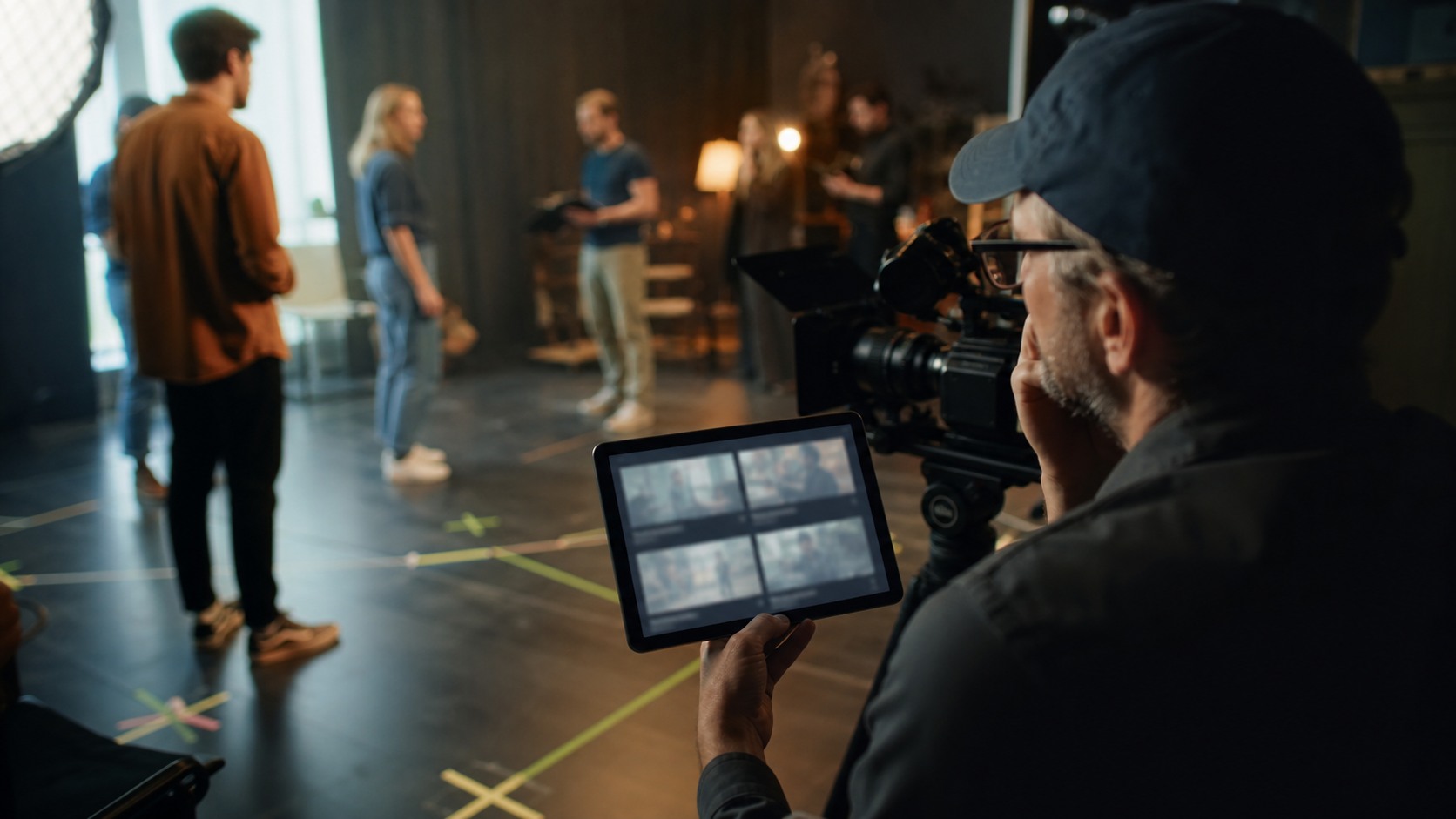
Before rehearsal, AI can help a director prepare questions for actors. It can identify possible objectives, secrets, reversals, and points of tension. The director can then choose which questions are worth bringing into the room. This is better than arriving with rigid answers, because actors often reveal possibilities the director did not expect.
A director might use AI to compare how a scene changes if one character is trying to comfort, accuse, distract, or escape. Those versions can sharpen the director's awareness of playable actions. They should not become instructions the actor must obey. Rehearsal works when the actor and director discover behavior together.
AI can also organize rehearsal notes after the fact. Transcripts, summaries, and grouped observations can help the director remember what worked. The human memory of the room still matters, but organized notes make it easier to carry discoveries into blocking, coverage, and later takes.
Performance Planning Without Controlling the Actor
Performance planning is delicate because acting is not a mechanical output. AI may describe emotions, but actors play actions, relationships, obstacles, and impulses. A director can use AI to clarify the scene's pressure, but the actual direction should remain responsive. The actor's choices may be more surprising and truthful than the prepared plan.
A useful AI-supported note might help the director ask a better question: what are you afraid the other character will notice. A less useful note tells the actor exactly how sad to be. The difference matters. Good directing creates conditions for discovery, while bad directing overdetermines behavior.
Consent and transparency are crucial when tools touch performance material. Rehearsal recordings, likeness tests, voice work, and synthetic alterations should be handled with care. Directors protect the creative space by making sure actors know how material is used and by refusing shortcuts that undermine trust.
Planning the Shoot Day
AI can help convert the director's thinking into practical documents: shot priorities, scene questions, reference groups, and review notes. These materials can support meetings with the assistant director, cinematographer, production designer, and producer. A clear plan helps the team understand what must be protected if the day becomes difficult.
The plan should still be adaptable. If an actor finds a better movement, if a location offers an unexpected frame, or if the schedule collapses, the director needs to respond. AI planning is valuable when it gives the director a hierarchy of choices. It should clarify which shots are essential and which ideas can be sacrificed.
This is where AI can quietly improve leadership. A director who has explored options beforehand may be calmer on set because they understand the tradeoffs. Calm does not come from controlling everything. It comes from knowing what matters most.
From Planning to Editing
Directors can also use AI after shooting to navigate material. Transcripts, grouped takes, continuity notes, and scene summaries can help the director review footage more efficiently. These tools do not choose the best performance, but they can make it easier to find moments worth watching again.
The edit often reveals whether the planning worked. A director may discover that the key reaction was captured, that the wide shot is unnecessary, or that a moment needs silence. AI can organize the evidence, but the director and editor still shape rhythm and meaning. The cut is where planning meets reality.
The strongest directors use AI as a loop. They plan, shoot, review, learn, and bring that learning back to the next scene. The tool supports the loop, but the growth belongs to the filmmaker. Better planning is not about removing uncertainty; it is about meeting uncertainty with clearer intent.
Turning AI Notes Into Human Direction
The most important step is translation. AI may produce a useful observation, but a director has to turn that observation into language a collaborator can use. A note that says the character experiences escalating anxiety is not yet direction. A better human question might be, what are you trying to keep the other person from seeing. That question gives the actor something playable.
The same translation applies to shots. A generated reference might suggest a dramatic low angle, but the director has to explain the story reason. Does the angle make the character powerful, trapped, childish, heroic, or isolated. Without that reason, the image becomes style without purpose. With the reason, the cinematographer can help find a practical version that belongs to the film.
Directors can also use AI to prepare alternatives for pressure points. If the location is smaller than expected, what shot still carries the scene. If the schedule loses an hour, which coverage can disappear. If the actor finds a quieter performance, what camera approach protects it. These questions help the director adapt without losing the scene's center.
Performance planning should remain especially human. AI can help the director remember the arc, but it cannot know what an actor will bring on the day. The director's plan should be strong enough to guide the room and loose enough to be changed by truth. That balance is hard, which is why preparation matters.
When AI notes become human direction, they stop sounding like instructions from a tool and start serving the shared work. The director chooses, translates, listens, and revises. That is how planning becomes leadership.
A Practical Planning Sequence
One practical sequence begins with text, moves to images, and ends with people. First, the director writes the scene's central change. Then AI can help test whether that change is clear by summarizing the scene or proposing questions. Next, visual references can explore how the change might be framed. Finally, the director brings the selected ideas to collaborators who understand performance, camera, schedule, and design.
This sequence matters because it prevents the workflow from jumping straight to attractive images. A shot is only useful if it supports the scene's change. A performance note is only useful if it helps the actor play an action. A reference is only useful if the crew can understand its purpose. Moving from text to images to people keeps the process grounded.
Directors can repeat the sequence after rehearsal. The actors may reveal that the scene turns later than expected, or that a planned movement feels false. AI-supported notes can be updated, but the human discovery should lead. Planning is not a contract against change. It is a map that helps the director recognize which changes matter.
By the time the shoot begins, the director should have a short list of priorities rather than a giant AI-made document. The essential shot, the key performance question, the risky transition, and the main compromise should be clear. That clarity helps everyone work faster without flattening the creative life of the scene.
What to Bring to Set
After all the planning, the director should bring only what the set can use. That might be a short list of essential shots, a few selected references, a rehearsal reminder, and a note about the scene's emotional turn. A giant packet of generated material is rarely helpful when the crew is moving quickly.
This discipline also protects performance. Actors should not feel that the scene has already been solved by documents and images. They should feel that the director understands the plan and is ready to listen. The best AI-supported preparation disappears into clearer communication.
The measure of success is simple: the director can answer why a shot matters, what the actor is playing, and what can change if the day demands it. AI can help prepare those answers, but the director has to carry them in a human way.
Directors can prepare a small fallback plan as well. If the master shot fails, what carries the geography. If the emotional close-up is rushed, what earlier beat can protect the edit. If a planned movement feels false, what simpler staging keeps the pressure alive. AI can help imagine these alternatives before the day begins, but the director should bring only the alternatives that are genuinely useful.
This kind of planning does not make the set mechanical. It makes the director more available. When the obvious problem has already been considered, the director can spend more attention on actors, timing, and the discoveries that happen only in the room.
The same idea applies after the shoot. A director can use AI-supported transcripts or grouped notes to revisit what was planned and what actually happened. If the best moment came from an actor's unexpected pause, the director can carry that lesson into the next scene. Planning, shooting, and reviewing become one learning loop instead of separate chores.
That loop is where AI becomes useful without becoming the author.