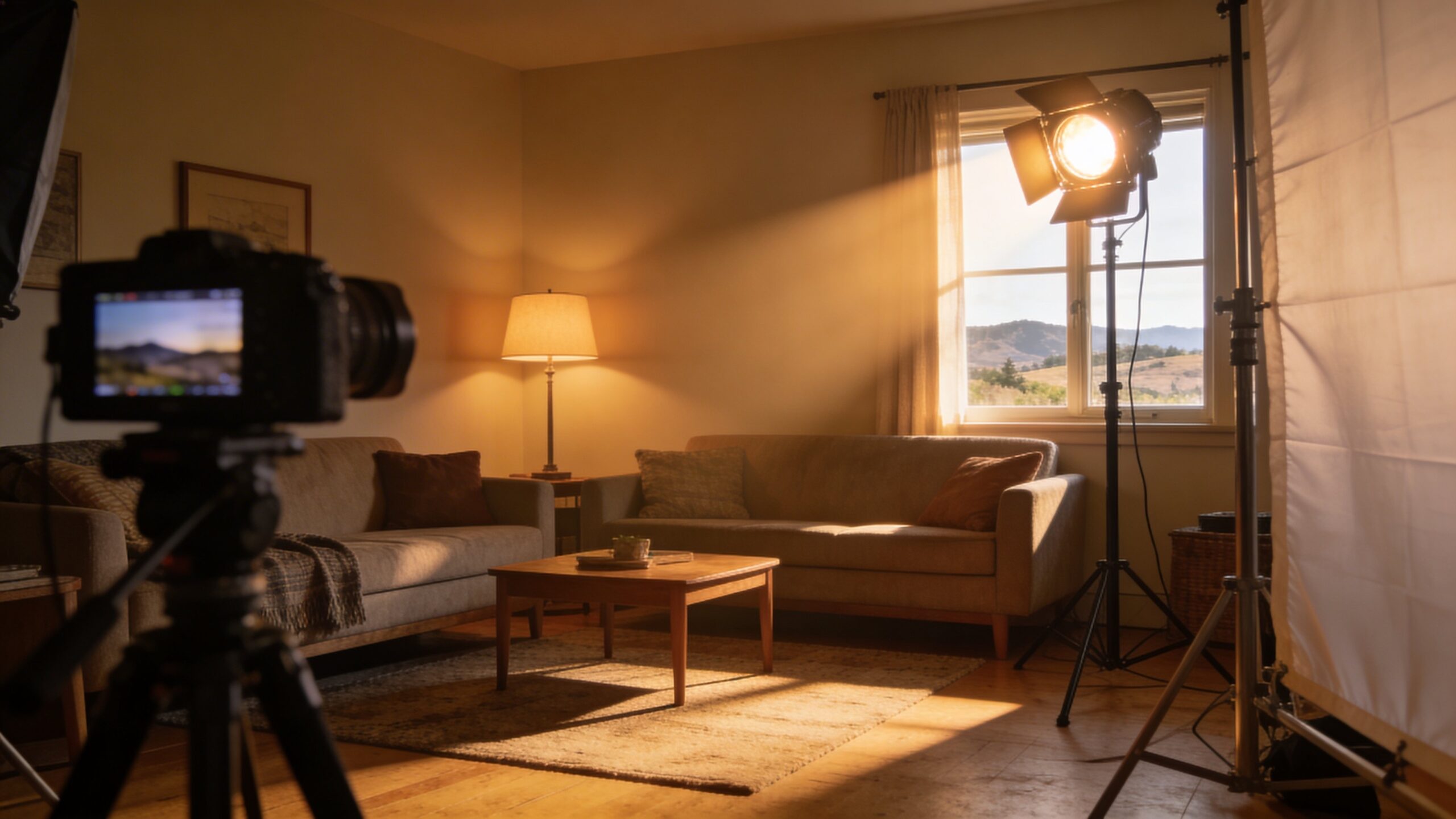
For decades, the gap between indie filmmakers and major studios seemed impossible to close. Hollywood had the budgets, the crews, the post-production power, and the marketing muscle. Independent creators had passion, vision, and grit—but often lacked the resources to compete at scale. Today, that equation is shifting. Artificial intelligence in filmmaking is redefining what’s possible, giving indie directors, producers, and editors access to tools that once required entire departments and seven-figure budgets. From AI-generated storyboards to automated visual effects, indie filmmakers are using AI to compete with studios in ways that were unimaginable just a few years ago. Machine learning algorithms can now assist with scriptwriting, casting suggestions, location scouting, editing, sound design, and even distribution strategies. The result is a new era of film production where creativity is amplified by technology rather than constrained by cost. This transformation is not about replacing human storytellers. It is about empowering them.
A: No, it enhances creativity and efficiency.
A: Yes, AI tools enable high production value on small budgets.
A: Many affordable subscription tools are available.
A: Yes, it optimizes targeting and analytics.
A: Yes, customizable AI music tools are widely used.
A: It requires responsible use and transparency.
A: It can refine storytelling and audience alignment.
A: Yes, AI tools complement expertise rather than replace it.
A: AI reduces complexity and labor requirements.
A: Competitive production value without studio budgets.
How Indie Filmmakers Are Using AI to Compete With Studios
The film industry has always been defined by access. Access to funding, to talent, to equipment, to distribution, and to audiences. For decades, major studios held overwhelming advantages in all of these categories. High-end cameras, massive visual effects teams, global marketing budgets, and established distribution pipelines created a seemingly unbridgeable gap between independent filmmakers and Hollywood giants. Today, artificial intelligence is changing that equation. AI in filmmaking is no longer a futuristic concept. It is a practical toolkit that indie creators are using to plan, shoot, edit, market, and distribute films with an efficiency and polish that once required studio-level resources. As a result, independent filmmakers are not just surviving in a studio-dominated market. They are competing with confidence.
AI-Powered Screenwriting and Story Development
Every film begins with a story, and AI is reshaping the earliest stages of the creative process. Independent filmmakers are leveraging AI tools for brainstorming, outlining, character development, and script refinement. Instead of staring at a blank page, creators can generate multiple story variations in minutes, explore alternative plot arcs, and test dialogue variations before committing to a final draft. AI writing assistants help identify pacing issues, suggest structural improvements, and analyze tone consistency across scenes.
For indie filmmakers working without large development teams, this is transformative. Studios often rely on script consultants, table reads, and multiple rounds of executive feedback. AI offers a form of instant analysis that accelerates development while preserving creative control. The result is a more polished script ready for production, developed at a fraction of the time and cost traditionally required.
Virtual Previsualization on a Budget
Previsualization, often called “previz,” has long been a luxury of high-budget productions. Studios use detailed 3D simulations to plan camera movements, visual effects, and complex action sequences. Today, AI-driven visualization tools allow indie filmmakers to create dynamic scene mockups, test lighting scenarios, and experiment with camera angles before stepping onto a physical set.
These AI tools generate realistic virtual environments and simulate how scenes will look under different conditions. Directors can refine blocking and shot composition in advance, reducing costly mistakes during principal photography. For independent productions with limited shooting days and tight budgets, efficient planning is essential. AI-powered previz levels the playing field, helping small teams achieve cinematic precision traditionally reserved for major studio projects.
Affordable Visual Effects and CGI
Visual effects were once one of the clearest markers separating indie films from studio productions. Large-scale CGI, de-aging effects, digital environments, and seamless compositing required entire teams of specialized artists. AI is dramatically lowering the barrier to entry. Machine learning algorithms can now automate rotoscoping, background replacement, object removal, and even advanced motion tracking. AI-powered upscaling tools enhance image resolution, while generative systems create realistic environments without the need for extensive green screen setups. Indie filmmakers can produce sci-fi landscapes, historical recreations, and fantasy sequences at a fraction of traditional VFX costs. This democratization of visual effects allows independent films to expand beyond intimate dramas and low-budget comedies. Creators can explore ambitious genres such as science fiction and action without sacrificing visual credibility. AI filmmaking tools are enabling stories that were previously out of reach for independent budgets.
Smarter Casting and Audience Insights
Casting is both an artistic and strategic decision. Studios rely on market data, audience research, and star power analytics to predict box office performance. AI brings similar capabilities to independent filmmakers. By analyzing streaming trends, social engagement metrics, and demographic data, AI tools can suggest casting choices likely to resonate with specific audience segments. Indie creators can evaluate how different actors align with genre trends or fan communities. AI-driven sentiment analysis also helps filmmakers understand how audiences respond to certain themes or character archetypes. This data-informed approach does not replace creative instinct, but it strengthens strategic decision-making. For independent productions seeking festival success or streaming platform deals, understanding audience preferences can significantly increase competitiveness.
AI in Production: Efficiency on Set
Time is money in filmmaking, and independent productions operate on strict schedules. AI is helping optimize on-set workflows in powerful ways. Smart scheduling software analyzes location availability, weather forecasts, and actor schedules to generate efficient shooting plans. AI-powered camera systems assist with focus tracking and exposure adjustments, reducing the need for extensive retakes.
In addition, automated transcription tools instantly convert dialogue into text for script supervision and continuity tracking. Directors can review scenes with AI-assisted playback analysis, identifying technical flaws before moving on. These tools streamline collaboration and minimize costly delays. The impact is substantial. When indie filmmakers can execute shoots with precision and fewer errors, they conserve resources that can be redirected toward creative enhancements.
Post-Production Revolution Through AI Editing
Editing has traditionally been one of the most labor-intensive phases of filmmaking. Studios often employ entire editorial teams to review dailies, organize footage, and refine cuts. AI video editing tools now automate many foundational tasks. Machine learning systems can sort footage by facial recognition, detect the best takes based on performance markers, and suggest rough cuts aligned with the script. AI-powered color grading tools balance exposure and match shots across scenes in seconds. Audio enhancement software removes background noise, stabilizes levels, and enhances dialogue clarity automatically. For independent filmmakers, this means post-production cycles shrink dramatically. Instead of spending months in editing suites, creators can produce polished films more quickly and cost-effectively. The ability to achieve studio-quality editing without studio-level budgets is a game-changer in competitive film markets.
AI-Driven Sound Design and Music Composition
Sound design shapes emotional impact. Major studios employ composers and audio engineers to craft immersive soundscapes. AI music generation and audio design tools are giving indie filmmakers access to customizable, high-quality soundtracks without prohibitive licensing costs. AI systems can generate original scores tailored to mood, pacing, and genre. Filmmakers input parameters such as tension level, tempo, or orchestral style, and receive compositions that fit seamlessly with visuals. Advanced audio tools enhance ambient effects, create spatial sound simulations, and fine-tune mixing for theatrical or streaming formats. While human composers remain invaluable, AI provides cost-effective options that elevate production value. For indie filmmakers balancing limited budgets, this flexibility opens new creative possibilities.
Marketing and Distribution Powered by Data
Competing with studios requires visibility. Marketing budgets often determine whether a film reaches its audience. AI marketing tools empower independent filmmakers to execute targeted campaigns with precision.Predictive analytics platforms analyze audience behavior across social media and streaming services, identifying optimal release windows and advertising strategies. AI can generate trailer variations optimized for different platforms, tailoring tone and pacing for each audience segment. Automated A/B testing refines promotional content based on engagement metrics.
Furthermore, AI recommendation systems help indie films gain traction on streaming platforms. By understanding metadata optimization and viewer preferences, filmmakers can position their projects to appear in relevant searches and suggestion feeds. Strategic use of AI enhances discoverability in an increasingly crowded digital landscape.
Crowdfunding and Community Engagement
Crowdfunding has become a cornerstone of independent filmmaking. AI tools enhance campaign strategy by analyzing successful funding projects and identifying messaging patterns that resonate with backers. Sentiment analysis informs how promotional updates should be framed, while predictive models estimate realistic funding targets.
Social media engagement also benefits from AI-driven insights. Indie filmmakers can track audience responses in real time, adjust messaging, and nurture community relationships more effectively. Building loyal fanbases strengthens long-term sustainability beyond a single film release. By combining storytelling with data intelligence, independent creators cultivate communities that rival studio-backed marketing ecosystems.
Ethical Considerations and Creative Integrity
As AI becomes embedded in filmmaking, ethical considerations emerge. Questions about authorship, originality, and transparency are increasingly relevant. Indie filmmakers must balance innovation with responsibility, ensuring AI tools support rather than replace human creativity. Maintaining authenticity remains essential. Audiences value unique voices and perspectives, particularly in independent cinema. AI serves as an amplifier of creativity, not a substitute for vision. The most successful indie filmmakers use AI strategically while preserving personal storytelling styles that distinguish their work from formulaic studio productions.
The Future of Independent Film in an AI Era
Artificial intelligence is not eliminating the need for talent, collaboration, or passion. Instead, it is expanding access. Indie filmmakers now possess tools that rival studio capabilities in script analysis, visual effects, editing, sound design, and marketing. This technological shift reduces financial barriers and fosters creative experimentation. As AI continues to evolve, the competitive gap between independent filmmakers and studios will narrow further. Small teams with bold ideas and technical fluency can produce films that captivate global audiences. The democratization of filmmaking technology is reshaping industry hierarchies and empowering a new generation of storytellers. In this AI-driven landscape, success depends not on the size of a budget but on the strategic use of intelligent tools. Independent filmmakers who embrace AI are redefining what is possible. They are proving that innovation, agility, and creative courage can stand toe to toe with the resources of major studios. The future of cinema is not limited to Hollywood soundstages. It is being crafted in home offices, small studios, and collaborative spaces around the world, powered by artificial intelligence and boundless imagination.