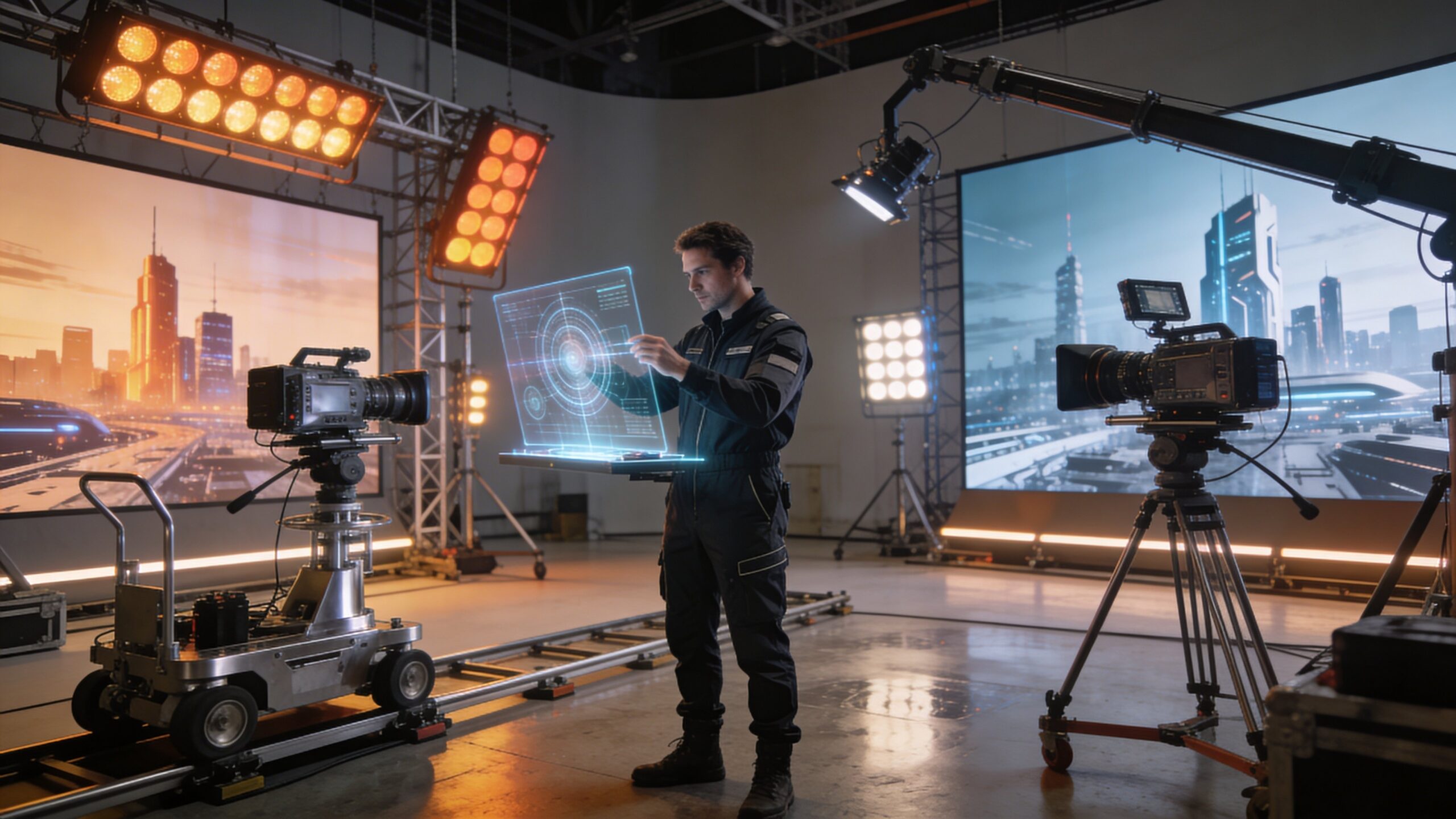
The emergence of artificial intelligence (AI) has sparked transformative changes across various industries, from healthcare to finance, and entertainment is no exception. AI’s foray into filmmaking has raised questions about its role in creative processes, the implications for authorship, and the ethics surrounding its use. Is AI becoming an indispensable tool for filmmakers, or is it posing challenges to the integrity of creativity and the essence of storytelling? In this article, we explore the ethical concerns surrounding AI in filmmaking, examining the delicate balance between creativity, authorship, and control.
A: AI can help with drafts, dialogue, and structuring, but creative storytelling still requires a human touch.
A: AI analyzes actors' past performances and audience reactions to recommend the best fit for a role.
A: AI can assist with rough cuts and basic editing, but the artistic side of editing remains human-driven.
A: By analyzing audience data, box office trends, and genre preferences, AI can make informed predictions.
A: AI enhances creativity by automating mundane tasks and providing new tools for experimentation.
A: Yes, AI can automatically generate sound effects and analyze scenes to suggest appropriate soundtracks.
A: AI can generate stunning visual effects and automate time-consuming tasks like rotoscoping and background replacement.
A: AI analyzes audience data to optimize marketing strategies, create personalized trailers, and predict success.
A: Yes, by analyzing audience preferences, AI helps optimize release strategies across platforms and regions.
A: AI assists by automatically adjusting camera settings and optimizing shots for lighting and focus.
The Rise of AI in Filmmaking
Artificial intelligence in filmmaking refers to the use of algorithms and machine learning models to assist in various stages of production, from scriptwriting and storyboarding to post-production tasks like editing and visual effects. One of the most remarkable aspects of AI in filmmaking is its ability to analyze vast amounts of data—such as audience preferences, popular trends, and even historical film data—to produce content that resonates with viewers. AI tools can generate screenplay drafts, design characters, and even simulate realistic environments, all while learning from vast datasets to improve their outputs. These advancements have made filmmaking more accessible, allowing creators to experiment with new techniques and streamline the production process. AI-driven tools can help filmmakers reduce time spent on labor-intensive tasks and increase efficiency. However, as AI technology continues to evolve, it raises significant questions about its impact on the creative landscape.
Creativity and AI: A Symbiotic Relationship?
The core of the ethical debate surrounding AI in filmmaking revolves around the question of creativity. Creativity has long been considered a distinctly human trait, rooted in emotions, experiences, and personal perspective. Filmmaking, as an art form, has always been about human expression, drawing on imagination to craft narratives that resonate with audiences on a deep, emotional level. But with AI stepping into the creative space, some wonder whether this technology can truly replicate the nuances of human creativity.AI’s involvement in film creation is not about replacing human creators but rather augmenting their abilities. AI can analyze existing scripts, suggest plot twists, or even propose new characters based on a combination of historical data and cutting-edge algorithms. This collaborative approach allows filmmakers to focus on refining their artistic vision, leaving the technical aspects to AI-driven tools. While AI can produce impressive outcomes, the question remains: can it truly be considered “creative”?
Some proponents argue that AI in filmmaking is simply a new form of collaboration, akin to how filmmakers have always used tools to enhance their craft. Just as a director works with actors, set designers, and cinematographers, they can now collaborate with AI to enrich the storytelling process. In this view, AI is not a replacement for creativity but a tool that can enhance the human creative spirit. However, others maintain that AI cannot replicate the human experience or emotional depth that is fundamental to creativity. Machines may generate compelling visuals and intricate plots, but without a genuine understanding of human emotion or the complexities of social and cultural contexts, can they truly create meaningful, authentic narratives? This brings us to the heart of the issue: can AI possess the kind of creativity that resonates with audiences on a profound level?
Authorship in the Age of AI
Another critical ethical consideration is the question of authorship. Traditionally, the authorship of a film has been attributed to its human creators—the director, writer, producers, and actors who bring a story to life. But in an era where AI tools play a significant role in the creation of a film, the lines of authorship are becoming blurred. If an AI system generates an entire screenplay or significantly contributes to the visual design of a film, who owns the rights to that work? Is the AI considered a co-author, or does the responsibility still lie with the human creators who used the technology?
Currently, intellectual property laws are ill-equipped to address these questions. In many jurisdictions, copyright law requires that a human be credited as the author of any work, leaving little room for the inclusion of AI as a legitimate co-creator. As AI continues to evolve, however, this could change. Some have suggested that AI-generated content should be treated as a new category of intellectual property, but how to fairly assign authorship and ownership remains a complex issue. The potential for AI to contribute significantly to the creative process without recognition challenges traditional notions of authorship. Filmmakers may not feel comfortable with the idea of an AI system being credited for aspects of their work, even if that AI played a substantial role in the production. While human creators may control and direct the creative vision, the involvement of AI raises important questions about the ownership of ideas and the control over the final product.
Control and Ethical Implications
Control is another major ethical issue tied to AI filmmaking. Filmmaking has always been a highly collaborative endeavor, with various stakeholders involved in shaping the story. Directors, producers, screenwriters, and actors work together to ensure the final product reflects a shared vision. However, the introduction of AI complicates this dynamic. When AI tools are employed, filmmakers may find themselves relinquishing some degree of creative control to an algorithm designed to optimize for specific results. The potential for AI to influence creative choices could lead to concerns about homogenization. Algorithms are designed to analyze patterns and trends, often working with predefined parameters set by the filmmakers. This raises the possibility that AI-driven filmmaking could lead to a reduction in diversity and originality, as algorithms prioritize commercial success over artistic exploration. Filmmakers may feel pressured to rely on AI-generated suggestions that align with audience preferences, potentially sacrificing unique or unconventional storytelling in favor of what is popular.
Additionally, AI’s potential to automate many aspects of filmmaking—such as scriptwriting, visual effects, and even actor performances through digital simulations—could lead to a concentration of control in the hands of a few powerful tech companies. If a handful of AI-driven platforms dominate the filmmaking landscape, filmmakers may have less room to innovate or express themselves freely, as they may become increasingly reliant on these technologies for production. There is also the question of accountability. If an AI-generated film contains harmful stereotypes or misinformation, who should be held responsible? Should the creators of the AI system be held accountable for the actions of their tool? Or should the filmmakers who chose to use the AI technology bear responsibility for the content it produces? This is a particularly pressing issue when considering the ethical implications of AI in content creation, as filmmakers must navigate the potential harms AI-generated content could cause to society.
The Future of AI Filmmaking: A Path Forward
As AI continues to evolve, it is clear that its role in filmmaking will only increase. However, this raises critical ethical concerns that must be addressed to ensure AI is used responsibly and equitably in the creative process. One path forward involves developing clearer guidelines and frameworks for the ethical use of AI in filmmaking. Filmmakers, technologists, and policymakers must work together to establish ethical standards that ensure AI is used to complement human creativity, rather than replace it.
One possible solution is to treat AI as a collaborator rather than a creator. Just as filmmakers rely on other technologies—such as cameras, lighting, and editing software—AI could be seen as another tool that enhances the creative process. Filmmakers should have the freedom to use AI as a resource, but the ultimate control should remain with the human creators who are responsible for the story and its message. At the same time, it is essential to establish legal and ethical frameworks that address the question of authorship and ownership. As AI systems become more involved in the filmmaking process, copyright laws will need to evolve to reflect the new reality. A fair system of crediting and rewarding those who contribute to a film’s creation, whether human or machine, will be crucial to maintaining the integrity of the industry.
Conclusion
The question of whether AI filmmaking is ethical hinges on the balance between creativity, authorship, and control. While AI has the potential to revolutionize the filmmaking process, it also raises significant ethical challenges that must be carefully navigated. AI can enhance the creative process, provide new opportunities for innovation, and help streamline production, but it cannot—and should not—replace the emotional depth and human experience that define great filmmaking. As filmmakers continue to explore the possibilities of AI, it is essential to maintain a focus on the values that make storytelling such a powerful medium. Creativity, originality, and a commitment to diverse voices must remain at the forefront of the filmmaking process, even as AI becomes an integral tool in the industry. With thoughtful consideration and careful ethical guidelines, AI can be a valuable asset to filmmakers without compromising the artistry and humanity that make films so compelling.