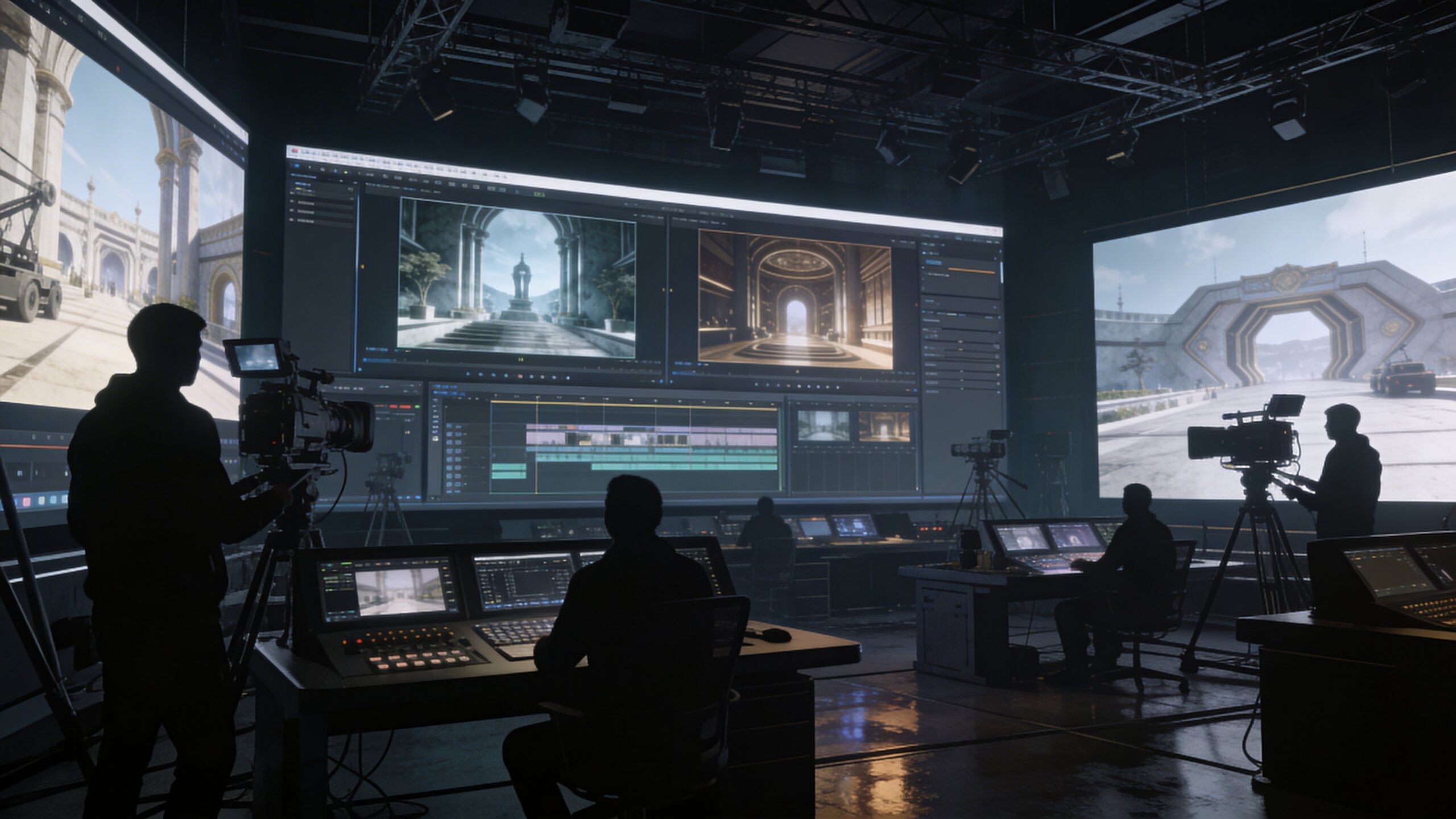
The film industry has always evolved alongside technology. From the invention of synchronized sound to the rise of digital cinematography, every breakthrough has reshaped how stories are told. Today, artificial intelligence in filmmaking is driving the next major transformation. What once sounded like science fiction is now embedded in pre-production planning, on-set workflows, post-production pipelines, and even audience targeting strategies. AI is no longer a novelty tool reserved for experimental creators. It is becoming essential for modern filmmakers who want to compete in a fast-moving, content-saturated world. The rise of AI-powered filmmaking is not about replacing creativity. It is about amplifying it. Directors, cinematographers, editors, and producers are using AI tools to work faster, reduce costs, and unlock visual possibilities that were previously limited by budget or technical constraints. As streaming platforms demand more content and audiences expect higher production values, AI is emerging as a crucial partner in cinematic storytelling.
A: No, it enhances workflow but creative decisions remain human-led.
A: Many tools offer scalable pricing and cloud-based access.
A: Yes, especially in editing, VFX, and planning phases.
A: It offers insights, but story vision still comes from creators.
A: Rough cuts can be automated, but refinement requires humans.
A: Ethical guidelines and consent are critical safeguards.
A: Yes, predictive analytics optimize targeting and release timing.
A: AI tools can clean and enhance dialogue dramatically.
A: Yes, across VFX, analytics, and workflow optimization.
A: Increasingly, yes, to stay competitive in modern filmmaking.
AI in Pre-Production: Smarter Planning, Better Stories
Pre-production sets the foundation for every successful film. Script development, budgeting, casting, and scheduling are complex tasks that traditionally require weeks or months of coordination. AI tools are dramatically streamlining this process. Script analysis software can now evaluate pacing, character arcs, and emotional beats within minutes, offering filmmakers insights that previously required entire development teams. Predictive analytics powered by machine learning can assess market trends, genre performance, and audience demographics. This allows producers to make more informed decisions about story direction and potential profitability. AI can analyze thousands of past films, identifying patterns in successful releases and flagging potential weaknesses in a screenplay before production begins. Casting is also being transformed. AI-driven audition analysis can evaluate performance subtleties, tone, and delivery patterns, helping directors compare actors more efficiently. Scheduling algorithms optimize shooting timelines based on location availability, weather data, and crew logistics. These efficiencies reduce costly delays and ensure smoother production cycles. For independent filmmakers working with limited budgets, AI in pre-production is especially valuable. It levels the playing field by providing access to data-driven insights once reserved for major studios.
AI on Set: Enhancing Cinematography and Production
On-set production is where creative vision meets technical execution. AI is increasingly embedded in cameras, lighting systems, and monitoring tools. Modern AI-assisted cameras can track subjects automatically, adjust exposure in real time, and even suggest framing improvements based on cinematic composition principles. Virtual production environments powered by AI are revolutionizing how scenes are created. Instead of relying entirely on physical sets or expensive location shoots, filmmakers can use AI-enhanced rendering systems to simulate realistic environments with stunning detail. Backgrounds can be generated, modified, or extended dynamically, saving both time and money.
AI also improves safety and efficiency. Drones equipped with intelligent navigation systems can capture complex aerial shots without extensive manual piloting. Motion capture technologies enhanced by AI can refine actor performances and seamlessly integrate digital characters into live-action scenes. These advancements do not eliminate human artistry. Cinematographers still make aesthetic choices. Directors still guide performances. But AI acts as a highly capable assistant, automating repetitive tasks and expanding creative possibilities.
AI in Post-Production: Editing at the Speed of Imagination
Post-production is perhaps where AI’s impact is most visible. Editing, color grading, sound design, and visual effects traditionally require intensive manual labor. AI tools now accelerate these processes dramatically. Automated editing systems can analyze hours of footage and assemble rough cuts based on script cues or emotional tone. Editors remain in control, but AI dramatically reduces the time needed to sort through raw material. Facial recognition software helps locate specific shots instantly. Scene detection algorithms organize clips by setting or character.
Color correction has also evolved. AI-driven grading tools can match tones across scenes, simulate cinematic color styles, and correct lighting inconsistencies with remarkable precision. What once took hours can now be achieved in minutes. In visual effects, AI is reshaping compositing, rotoscoping, and object removal. Complex background replacements that once required painstaking frame-by-frame adjustments can now be automated. De-aging actors, generating realistic digital doubles, and enhancing CGI integration are becoming faster and more accessible. Sound design is another area of transformation. AI can clean dialogue, remove background noise, and generate ambient soundscapes. Voice synthesis technologies can even recreate dialogue with accurate tonal matching, reducing the need for costly reshoots. For filmmakers facing tight deadlines and shrinking budgets, AI-powered post-production tools are no longer optional luxuries. They are competitive necessities.
Expanding Creative Possibilities with Generative AI
Generative AI is unlocking entirely new forms of storytelling. Text-to-image and text-to-video technologies allow filmmakers to visualize concepts before production begins. Storyboards can be generated instantly, helping directors communicate ideas clearly to their teams. Concept art, set design mockups, and character prototypes can be created in minutes. This rapid ideation fosters experimentation. Filmmakers can test visual styles, lighting moods, and costume designs without committing expensive resources. In animation and hybrid projects, AI-assisted generation accelerates asset creation. Entire background environments can be rendered based on descriptive prompts. While artists refine and polish these outputs, AI dramatically reduces the time required for initial drafts. Importantly, generative AI does not replace human creativity. It serves as a catalyst for innovation. Filmmakers retain control over narrative and aesthetic direction while leveraging AI to explore new visual languages.
Data-Driven Audience Insights and Distribution
Modern filmmaking extends beyond production. Understanding audience behavior is critical for success. AI-powered analytics provide deep insights into viewing habits, genre preferences, and engagement metrics. Streaming platforms use AI algorithms to recommend content. Filmmakers who understand these systems can tailor promotional strategies and optimize release timing. AI can predict how different demographic groups might respond to trailers, posters, or marketing campaigns.
Sentiment analysis tools scan social media and online reviews to gauge public perception. Producers can adjust marketing tactics in real time based on audience feedback. This level of responsiveness was nearly impossible in traditional theatrical models. For independent creators distributing films online, AI-driven targeting ensures that promotional budgets are spent efficiently. Precision marketing increases the likelihood of reaching viewers who are genuinely interested in a film’s theme or style.
Cost Efficiency and Democratization of Filmmaking
One of the most transformative aspects of AI in filmmaking is cost reduction. High-end visual effects, advanced editing tools, and data analysis capabilities were once accessible only to large studios. AI is democratizing these resources. Smaller production companies can now compete with major studios in terms of visual polish. Automated workflows reduce labor-intensive tasks, freeing creative teams to focus on storytelling rather than logistics. Lower production costs make experimental projects more viable. This democratization expands diversity in storytelling. Independent filmmakers, documentary creators, and international artists gain access to tools that amplify their voices. AI levels barriers that once limited who could produce high-quality cinema. As a result, the cinematic landscape becomes richer and more varied. More perspectives can reach global audiences, supported by powerful AI-assisted production pipelines.
Ethical Considerations and Responsible Use
While AI offers immense benefits, its adoption raises ethical questions. Issues such as deepfake technology, digital actor replication, and intellectual property rights must be handled responsibly. Filmmakers must establish transparent practices regarding AI-generated content. Consent and compensation for actors whose likenesses are digitally replicated are essential considerations. Creative ownership also becomes more complex when generative models contribute to visual design.
Industry guilds and production companies are increasingly developing guidelines to ensure ethical AI integration. Responsible usage will be critical to maintaining trust among audiences and professionals alike. The goal is not to eliminate AI but to integrate it thoughtfully. When used responsibly, AI enhances storytelling without compromising artistic integrity.
The Future of AI-Powered Filmmaking
As AI technology continues to advance, its integration into filmmaking will deepen. Real-time translation tools may enable global collaboration across language barriers. AI-driven script generation could assist writers in developing alternate plotlines or refining dialogue. Virtual actors powered by advanced neural networks may appear alongside human performers, expanding casting possibilities. Interactive films could adapt narratives based on viewer reactions analyzed through AI systems.
The next decade will likely see tighter integration between human creativity and machine intelligence. Filmmakers who embrace AI early will be positioned to innovate rapidly and stay competitive in an evolving entertainment ecosystem. AI is not replacing filmmakers. It is redefining what is possible. By automating technical processes and amplifying creative exploration, artificial intelligence is becoming an essential tool for modern cinematic storytelling.
Why Filmmakers Must Embrace AI Now
The film industry is more competitive than ever. Streaming services demand constant content production, audiences expect immersive visual experiences, and budgets are under pressure. AI offers solutions to each of these challenges. From pre-production planning and on-set optimization to post-production acceleration and audience targeting, AI touches every stage of the filmmaking lifecycle. It enhances efficiency, reduces costs, and unlocks new creative horizons. Filmmakers who resist AI risk falling behind in a rapidly evolving market. Those who embrace it gain a powerful creative ally. The future of cinema will not be defined by machines alone, but by storytellers who understand how to harness intelligent tools to bring bold visions to life. Artificial intelligence is becoming essential for modern filmmakers not because it replaces art, but because it expands it. The camera may still capture the image, and the director may still call action, but AI is quietly shaping the future of film behind the scenes. The result is a new era of storytelling where imagination meets intelligent technology, and cinematic possibilities are virtually limitless.