Introduction: The New Creative Studio
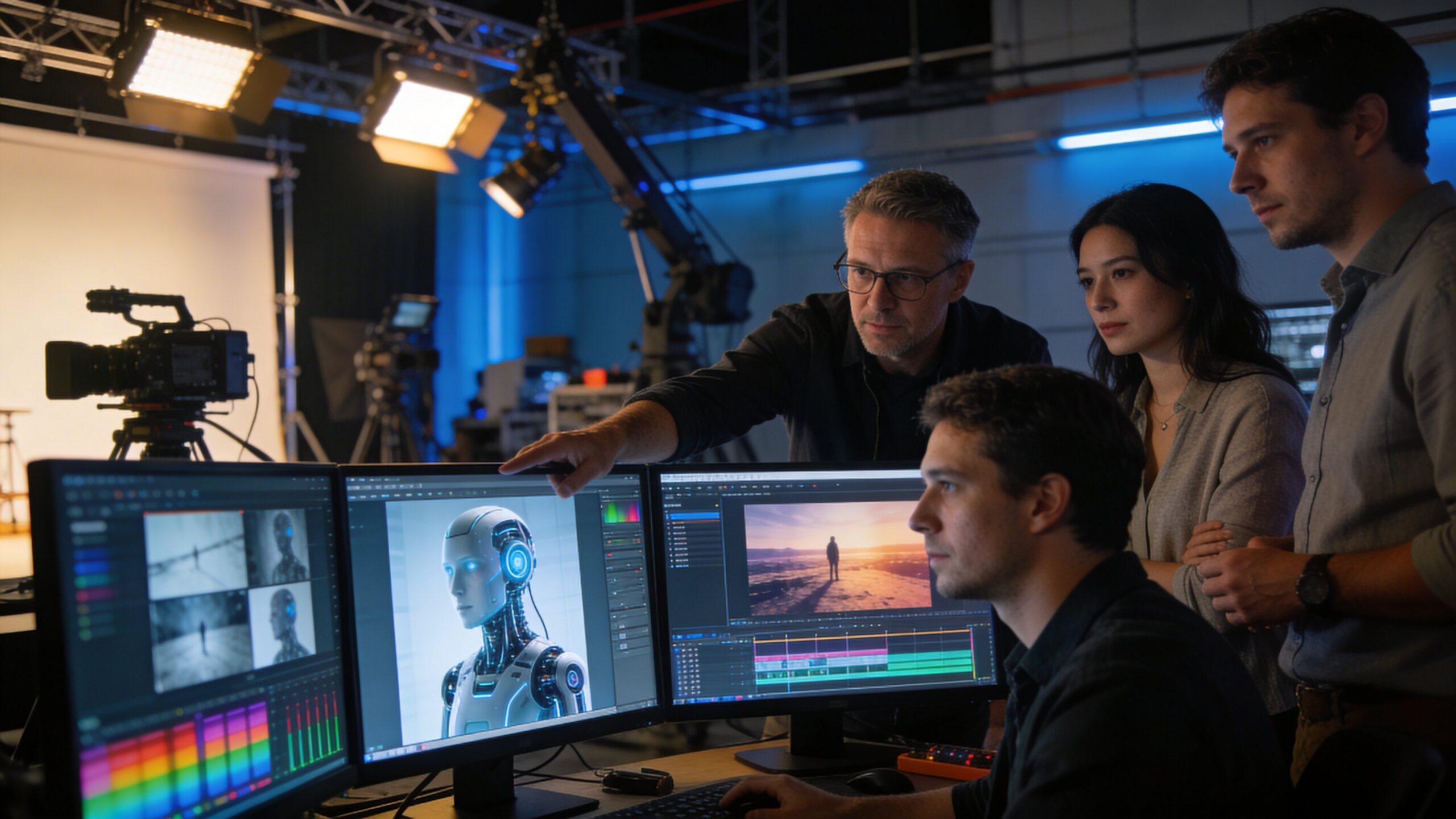
AI filmmaking is changing the way stories move from imagination to screen. What once required large crews, expensive equipment, and months of coordination can now begin with a concept, a laptop, and a creative workflow powered by intelligent tools. This does not mean filmmakers are being replaced. It means the creative process is becoming faster, more flexible, and more accessible to directors, writers, editors, marketers, educators, and independent creators who want to transform ideas into polished visual stories. At its best, AI filmmaking is not about pressing a button and accepting whatever appears. It is about directing technology with taste, purpose, and structure. The filmmaker still decides the emotional arc, the visual language, the pacing, the message, and the final quality. AI becomes a creative partner that can help brainstorm scenes, generate concept art, plan shots, simulate lighting, assist with editing, improve sound, and accelerate post-production. From pre-production to post-production, the fundamentals still matter. The difference is that every stage now has a new set of tools that can expand what is possible.
A: It is the use of artificial intelligence tools to support scripting, storyboarding, video generation, editing, sound, effects, and finishing.
A: No. The filmmaker still guides story, emotion, style, pacing, quality, and final creative decisions.
A: Start with a strong concept, clear audience, defined tone, and simple story structure.
A: Use specific prompts with subject, setting, action, camera movement, lighting, mood, and visual style.
A: You may need stronger references, repeated character details, controlled prompts, and careful shot selection.
A: Yes. Editing, sound, color, cleanup, and pacing are what turn generated clips into a finished film.
A: Yes. AI can assist with voiceover, music, audio cleanup, sound effects, and atmosphere building.
A: Generating visuals before defining the story, structure, and emotional purpose.
A: Short clips are usually easier to control, refine, edit, and combine into polished sequences.
A: Clear storytelling, consistent visuals, strong editing, polished sound, thoughtful color, and human creative judgment.
What Is AI Filmmaking?
AI filmmaking is the use of artificial intelligence tools to support or create parts of the filmmaking process. These tools can help write scripts, design characters, generate storyboards, create synthetic voices, produce visual effects, enhance footage, build rough cuts, clean audio, and even generate full video sequences from text, images, or reference clips. The result is a production pipeline where human creativity and machine assistance work together. The key word is filmmaking. AI may change the tools, but the goal remains the same: to tell a story that holds attention and creates emotion. A beautiful AI-generated shot means little if it does not serve the scene. A technically impressive transition can feel empty if the narrative has no momentum. The fundamentals of cinema still apply, including character, conflict, composition, rhythm, sound, color, and audience connection.
Pre-Production: Where the Film Is Truly Built
Pre-production is the planning stage, and in AI filmmaking, it may be the most important phase of all. This is where the idea becomes a blueprint. Before generating footage or assembling edits, the filmmaker needs to define the story, audience, tone, visual style, pacing, and production goals. AI can help develop these pieces quickly, but it works best when guided by clear creative direction.
A strong pre-production process prevents the final project from feeling random or disconnected. AI tools can generate endless ideas, but without a defined vision, the film may become visually impressive and emotionally thin. The filmmaker’s job is to establish creative boundaries: what the story is about, what it should feel like, how it should look, and what the audience should remember when it ends.
Concept Development: Turning Ideas Into Direction
Every AI filmmaking project begins with a concept. This could be a short film, a product video, a documentary-style piece, a cinematic advertisement, a music video, a training video, or a social media campaign. AI can help expand a simple idea into a more complete creative direction by generating loglines, themes, scene possibilities, character motivations, and visual references.
The strongest concepts are specific. “A futuristic city” is a setting, but “a lonely courier delivers memories through a rain-soaked city where no one can dream anymore” is a story engine. Specificity gives AI tools better creative fuel and gives the filmmaker stronger control. During concept development, the goal is not to accept every suggestion. The goal is to explore possibilities, identify the strongest emotional core, and shape the project into something focused.
Scriptwriting With AI Assistance
Scriptwriting is one of the most useful areas for AI support. AI can help draft scenes, refine dialogue, structure acts, suggest conflicts, create alternate endings, and adapt a concept into different formats. It can also help with practical writing tasks such as generating shot lists, narration drafts, interview questions, voiceover scripts, or scene descriptions.
However, AI-generated writing often needs human revision. Dialogue may sound too polished, characters may feel generic, and emotional beats may arrive too quickly. The filmmaker or writer should treat AI as a drafting assistant, not a final author. The best workflow is iterative: generate, review, revise, sharpen, and rewrite until the story feels intentional. Good AI filmmaking still depends on strong storytelling judgment.
Visual Style and Creative Identity
Before production begins, the filmmaker should define the visual style of the project. Is it realistic or surreal? Minimalist or maximalist? Warm and nostalgic or cold and futuristic? Does the camera feel handheld and intimate, or smooth and cinematic? Is the color palette muted, neon, natural, monochrome, or high contrast?
AI tools respond strongly to visual language. Terms like cinematic lighting, shallow depth of field, wide-angle composition, editorial realism, volumetric atmosphere, soft practical lights, high-contrast shadows, and natural skin texture can guide image and video generation. But style should not be decorative only. It should support the story. A tense thriller may need controlled shadows and tight framing. A hopeful brand film may need warm light, open spaces, and graceful camera movement.
Storyboarding and Shot Planning
Storyboarding is where ideas become visual sequences. AI can help generate storyboard frames, concept images, camera angles, and scene compositions. This is especially valuable for creators who may not draw or who need to quickly test different visual directions. A storyboard helps define what each shot should communicate before production begins.
Shot planning is also essential in AI filmmaking because generated scenes can become inconsistent if the filmmaker does not carefully control perspective, subject placement, lighting, and continuity. A clear shot list keeps the project organized. It helps determine whether a scene needs a wide establishing shot, a close-up, a tracking shot, a reaction shot, a cutaway, or a transition moment. The more precise the plan, the more cohesive the final film becomes.
Character and World Building
AI filmmaking often involves generated characters, digital environments, or stylized worlds. To keep these elements consistent, filmmakers should define character details early. This may include age, wardrobe, facial features, posture, emotional state, personality, and role in the story. For worlds, the filmmaker should define architecture, lighting, era, weather, technology, textures, and atmosphere. Consistency is one of the biggest challenges in AI video production. A character may look slightly different from shot to shot, or a location may change unexpectedly between scenes. Strong pre-production documentation helps reduce this problem. Character sheets, style boards, reference images, and detailed prompts can all help maintain continuity throughout the project.
Production: Generating and Capturing the Film
Production is the stage where footage is created. In traditional filmmaking, this usually means cameras, actors, lights, sets, locations, and crew. In AI filmmaking, production may involve generating video clips, recording live footage, combining real and synthetic visuals, capturing voice performances, producing motion graphics, or creating virtual scenes. Many projects use a hybrid approach.
The production stage requires patience and selection. AI generation often produces multiple versions of a shot, and not every version will be usable. The filmmaker must evaluate motion, framing, realism, emotion, continuity, and clarity. The best shot is not always the most spectacular one. It is the one that best serves the sequence.
Prompting as Direction
In AI filmmaking, prompting becomes a form of directing. A prompt is not just a request; it is a creative instruction. It can describe the subject, setting, camera movement, lens style, lighting, mood, action, color palette, and emotional tone. A weak prompt may produce a vague result. A strong prompt gives the AI a clear cinematic target.
For example, instead of asking for “a person walking in a city,” a filmmaker might describe “a solitary young architect walking through a rain-slick glass district at night, slow dolly movement, soft reflections, cool blue highlights, realistic cinematic lighting, quiet contemplative mood.” This kind of direction gives the tool more information and gives the filmmaker a better chance of receiving a useful shot.
Working With AI Video Tools
AI video tools can generate clips from text prompts, animate still images, extend footage, transform styles, or create motion from reference frames. These tools are evolving quickly, but the fundamentals remain consistent. The filmmaker should create short, controlled shots rather than trying to generate an entire film at once. Short clips are easier to refine, edit, and maintain.
It is also important to think like an editor during generation. Each clip should have a purpose. Does it establish the location? Reveal emotion? Show action? Create tension? Transition between ideas? A library of beautiful shots is not a finished film. Production should create the raw material needed for a coherent edit.
Audio, Voice, and Performance
Sound is half of the cinematic experience, and AI filmmaking should never treat it as an afterthought. AI tools can generate voiceovers, clean dialogue, create background music, design sound effects, and match audio to scene mood. A strong voice performance can make a generated film feel alive, while poor audio can make even excellent visuals feel amateur.
Voice direction matters. If using AI narration or synthetic voice, the filmmaker should define pace, emotion, tone, and audience. A documentary voice may need calm authority. A trailer voice may need urgency. A poetic short film may need softness and restraint. Sound design should support the world of the film, from footsteps and room tone to wind, machinery, crowds, or subtle atmospheric textures.
Post-Production: Where the Film Finds Its Shape
Post-production is where the film becomes a finished experience. This stage includes editing, pacing, color correction, sound design, music, visual effects, titles, transitions, and final export. In AI filmmaking, post-production is especially important because generated footage often needs refinement, organization, and polish.
Editing is not simply assembling clips in order. It is sculpting attention. The editor decides when to reveal information, when to hold a shot, when to cut away, and when to let silence speak. AI can help create assets, but human editing creates rhythm. The difference between a collection of AI clips and a real film often comes down to post-production discipline.
Editing for Emotion and Clarity
The first goal of editing is clarity. The audience should understand where they are, what is happening, and why it matters. The second goal is emotion. The audience should feel the intended tension, wonder, curiosity, sadness, excitement, or resolution. AI footage may look cinematic, but if the edit lacks rhythm, the audience may disconnect. A good edit controls contrast. Fast cuts can create energy, while longer shots can create weight. Close-ups can reveal emotion, while wide shots can create scale. Music can lift a moment, while silence can make it more powerful. In AI filmmaking, the editor must also watch for continuity issues, visual glitches, unnatural motion, inconsistent faces, or shots that look impressive but distract from the story.
Color, Texture, and Final Look
Color grading helps unify the film. AI-generated shots may come from different prompts, tools, or visual references, which can make the final sequence feel inconsistent. Color correction balances exposure, contrast, saturation, and white balance. Color grading adds style and emotional tone.
A finished AI film should feel visually intentional. Warm highlights can make a scene feel intimate. Cool shadows can create mystery. Muted colors can feel grounded and serious. Rich contrast can create drama. The final look should match the story’s identity and help different shots feel like they belong in the same world.
Visual Effects and Cleanup
AI filmmaking often requires cleanup. Generated clips may contain warped hands, inconsistent objects, strange background motion, flickering textures, or awkward transitions. Post-production tools can help stabilize footage, mask problem areas, remove unwanted elements, upscale resolution, smooth motion, and enhance detail.
The goal is not perfection for its own sake. The goal is believability. If a visual issue pulls attention away from the story, it should be fixed or replaced. Sometimes the smartest post-production choice is to cut a flawed shot entirely. A shorter, cleaner film is usually stronger than a longer film filled with distracting errors.
Music and Sound Design
Music gives emotional architecture to the film. It can create suspense, momentum, elegance, wonder, or intimacy. AI music tools can generate custom tracks, but the filmmaker still needs to choose music that supports the pacing and tone of the project. Music should not overpower the edit. It should guide feeling without forcing it.
Sound design adds realism and depth. Even a fully AI-generated scene can feel more believable with layered audio: footsteps, distant traffic, room tone, fabric movement, wind, machines, soft impacts, or atmospheric hum. Sound makes the image feel physical. In many AI films, professional sound design is what separates a rough experiment from a polished production.
Titles, Graphics, and Delivery
Titles and graphics should match the style of the film. A sleek technology film may use minimal typography and clean transitions. A cinematic short may use restrained opening and closing titles. A social media campaign may need bold framing, fast pacing, and mobile-friendly composition. The final delivery format should be planned early because aspect ratio affects framing and editing.
A film made for a website hero section may need a wide cinematic frame and no distracting details near the edges. A film made for short-form vertical platforms needs stronger central composition and faster visual clarity. A film made for presentation or education may need slower pacing and clearer narration. Post-production should prepare the film for where it will actually be watched.
The Human Role in AI Filmmaking
The most important part of AI filmmaking is still human taste. AI can generate options, but it does not know which option is right for the story unless the filmmaker decides. It can imitate cinematic language, but it does not automatically understand meaning, restraint, humor, empathy, or timing. Human judgment turns generated material into a directed experience.
The filmmaker becomes a curator, writer, director, editor, designer, and strategist. This role requires both imagination and discipline. The strongest AI filmmakers will not be the people who generate the most content. They will be the people who can shape technology into work that feels clear, memorable, and emotionally alive.
Common Mistakes in AI Filmmaking
One common mistake is starting with visuals before defining the story. AI makes it easy to create stunning images, but beautiful scenes can quickly become disconnected without narrative purpose. Another mistake is relying on generic prompts, which often lead to generic results. Strong creative direction requires specificity.
A third mistake is skipping post-production polish. Some creators assume that because AI generated the footage, the film is nearly finished. In reality, AI output usually needs editing, sound design, grading, cleanup, and careful sequencing. The final quality depends on the full pipeline, not just the generation stage.
The Future of AI Filmmaking
AI filmmaking is moving toward more control, consistency, and collaboration. Future tools will likely make it easier to preserve characters across scenes, control camera movement, generate longer sequences, edit with natural language, and combine real footage with synthetic visuals. These improvements will open new possibilities for independent creators and professional studios alike.
Yet the future will still reward fundamentals. Story, emotion, composition, pacing, sound, and audience awareness will remain essential. AI may transform the workflow, but it will not eliminate the need for vision. The best creators will use AI not as a shortcut around filmmaking, but as a powerful extension of filmmaking.
Conclusion: From Prompt to Premiere
AI filmmaking is not just a new technology trend. It is a new creative pipeline that reaches from pre-production to post-production. It can help filmmakers develop ideas faster, visualize scenes earlier, generate footage more affordably, and polish projects with new levels of flexibility. But the strongest results come from combining AI capability with cinematic fundamentals. From the first concept to the final export, the filmmaker’s role is to guide every choice with intention. Pre-production gives the story structure. Production creates the raw visual and audio material. Post-production shapes the emotion, rhythm, and final polish. When these stages work together, AI filmmaking becomes more than experimentation. It becomes a powerful way to turn imagination into screen-ready cinema.